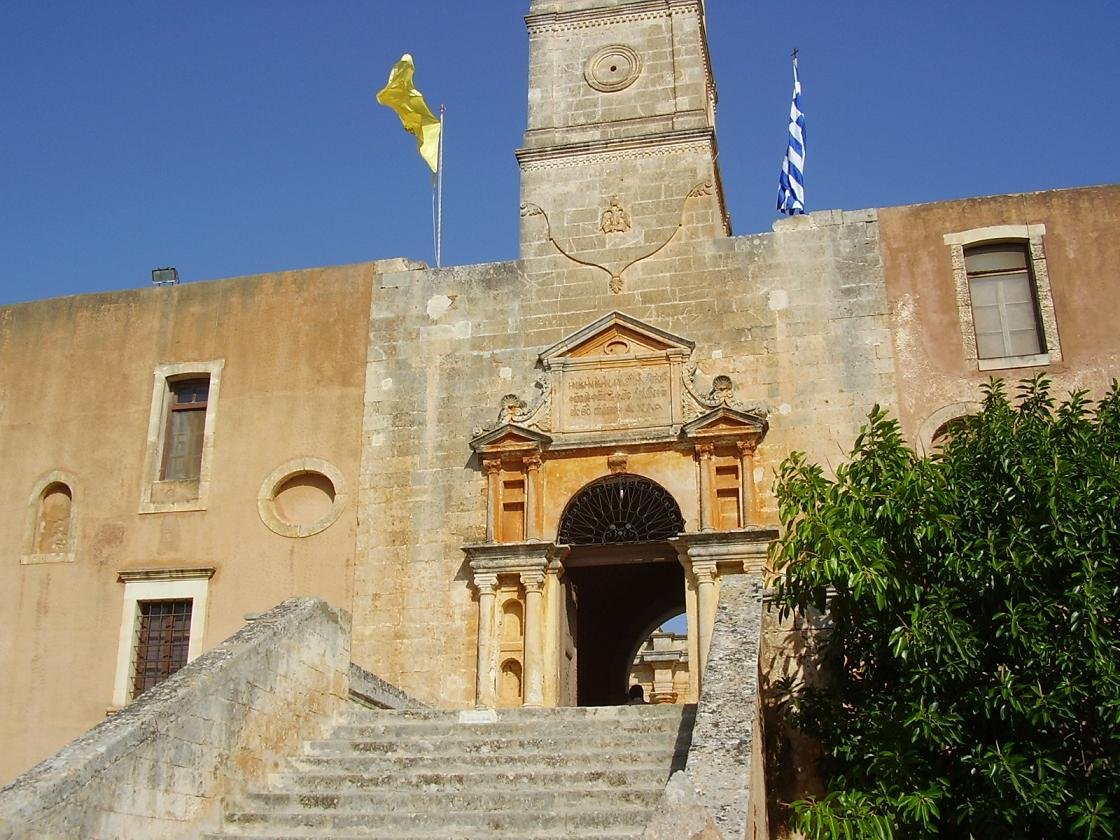
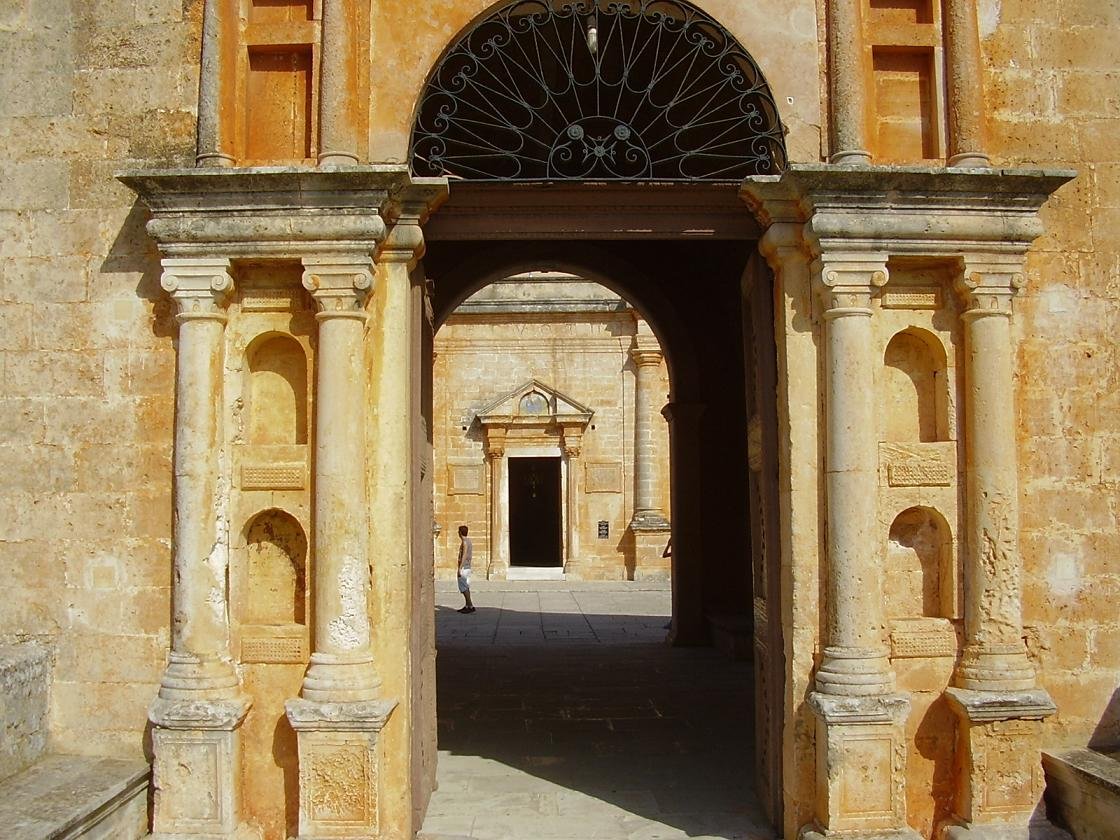
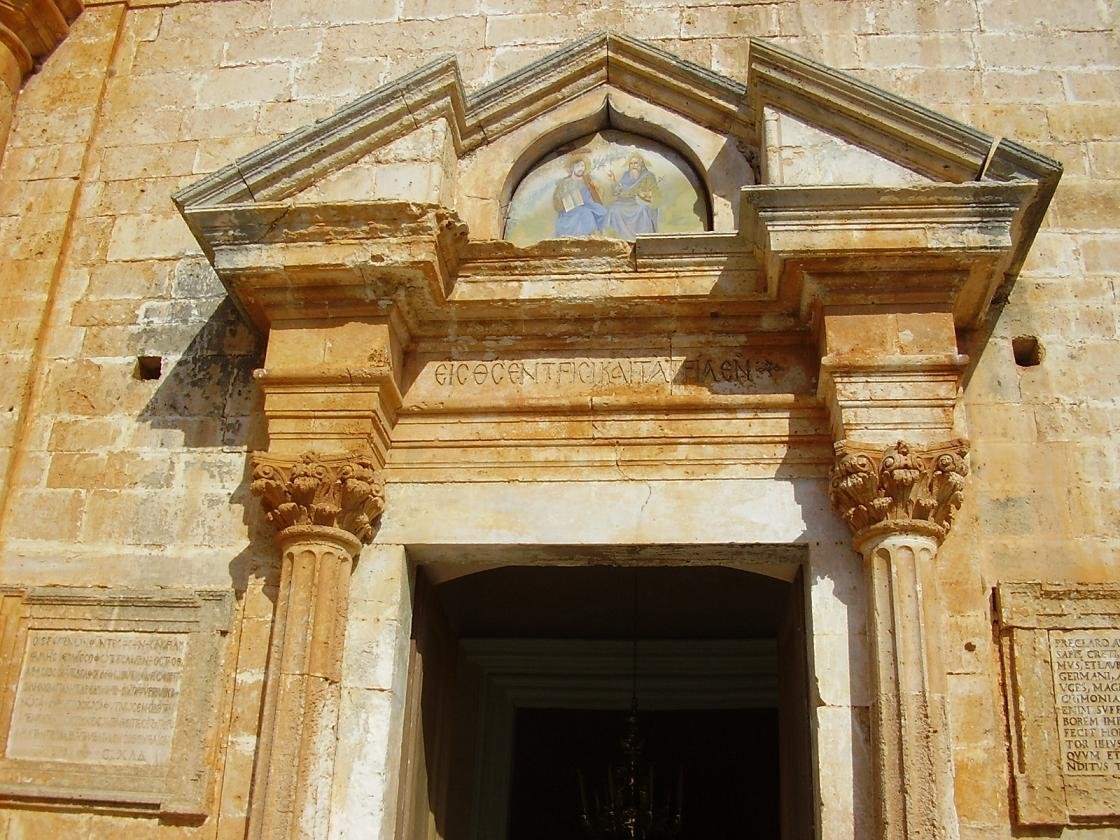
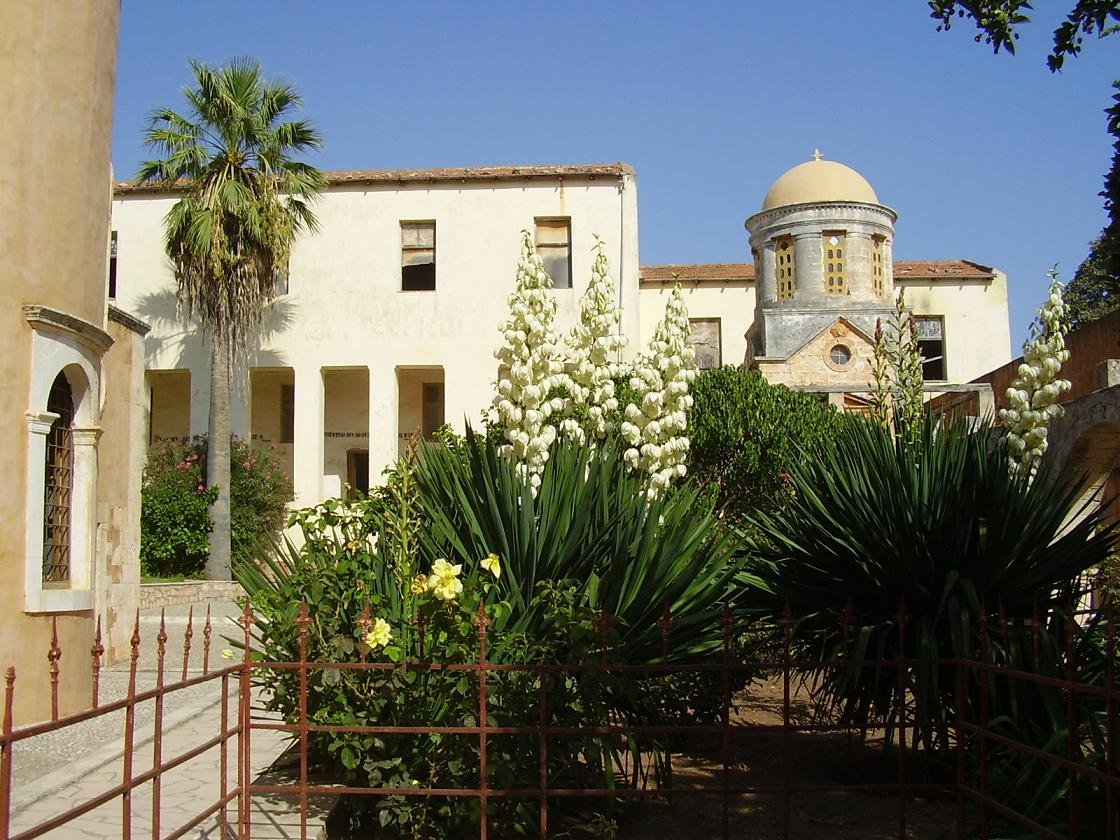
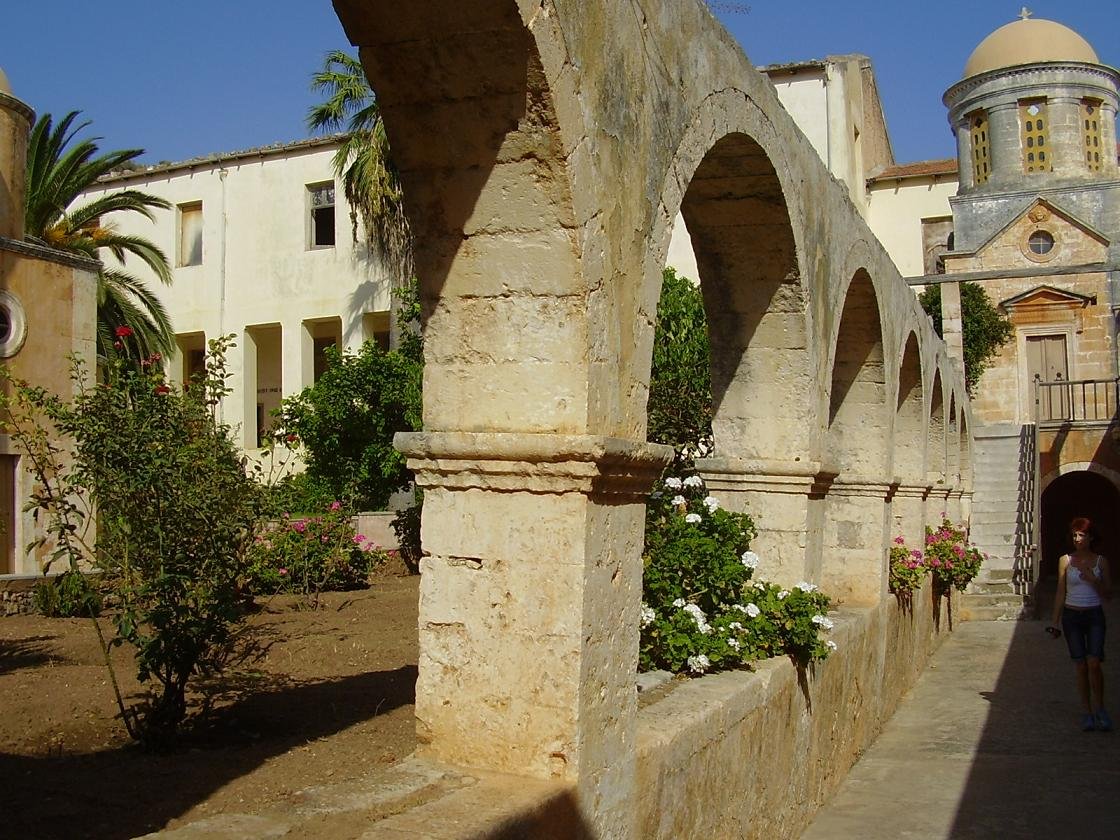

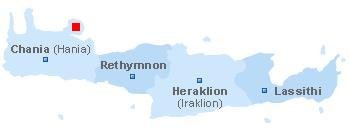
 The Agia Triada Monastery is situated in the north west part of the Akrotiri Peninsula, which is situated on the east side of Chania town. The town of Chania is at a 16 kilometers distance. The Agia Triada Monastery was build in the seventeenth century (1612) by two Venetian monks, the two brothers Jeremiah and Lavrentio Jagarolon, who descended from an important Venetian-Cretan family. The monastery was build on top of an already existing church that was in decline. The first brother, Jeremiah, started the work in 1611 and after his death in 1634 Laurentios continued the work. In 1645 all work to the monastery stopped when the area was conquered by the Turks. In 1821 the building was burned by the Turks during the Greek revolution. Later the monastery was reconstructed and finally finished.
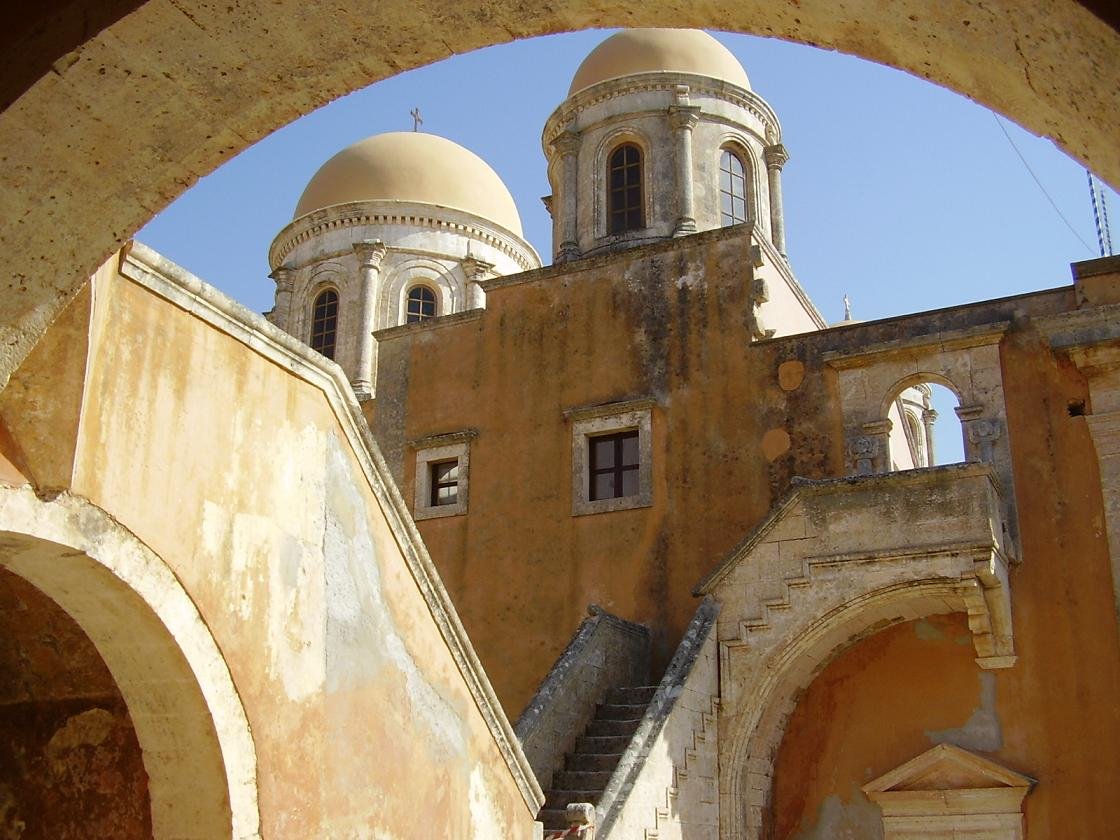
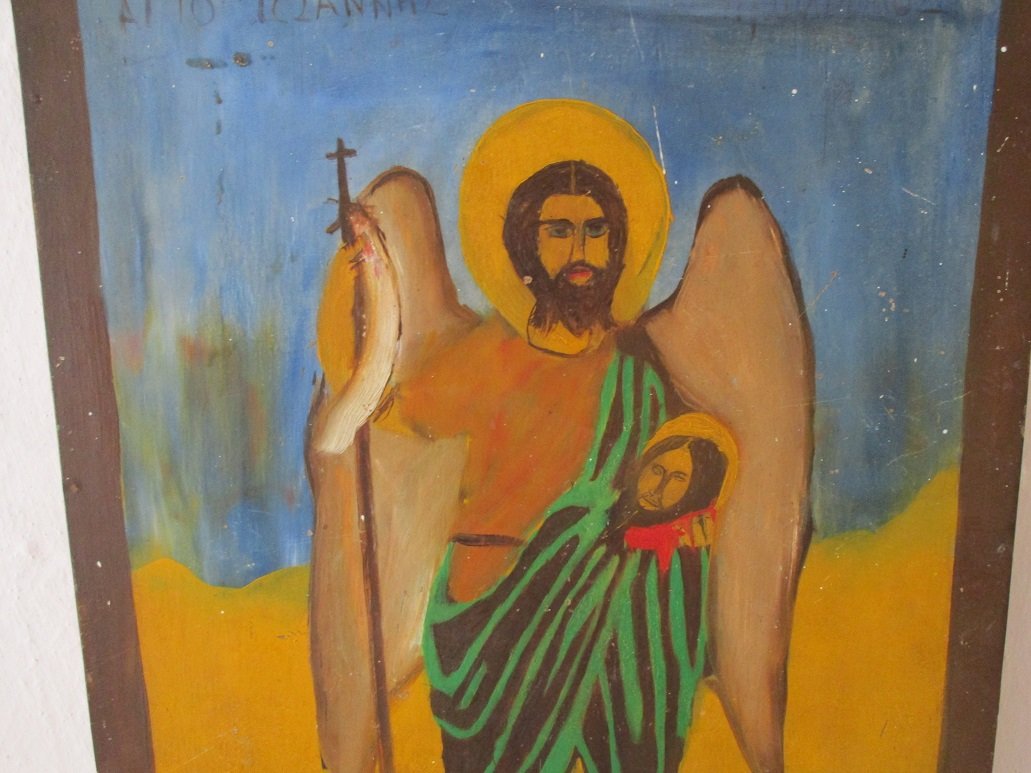
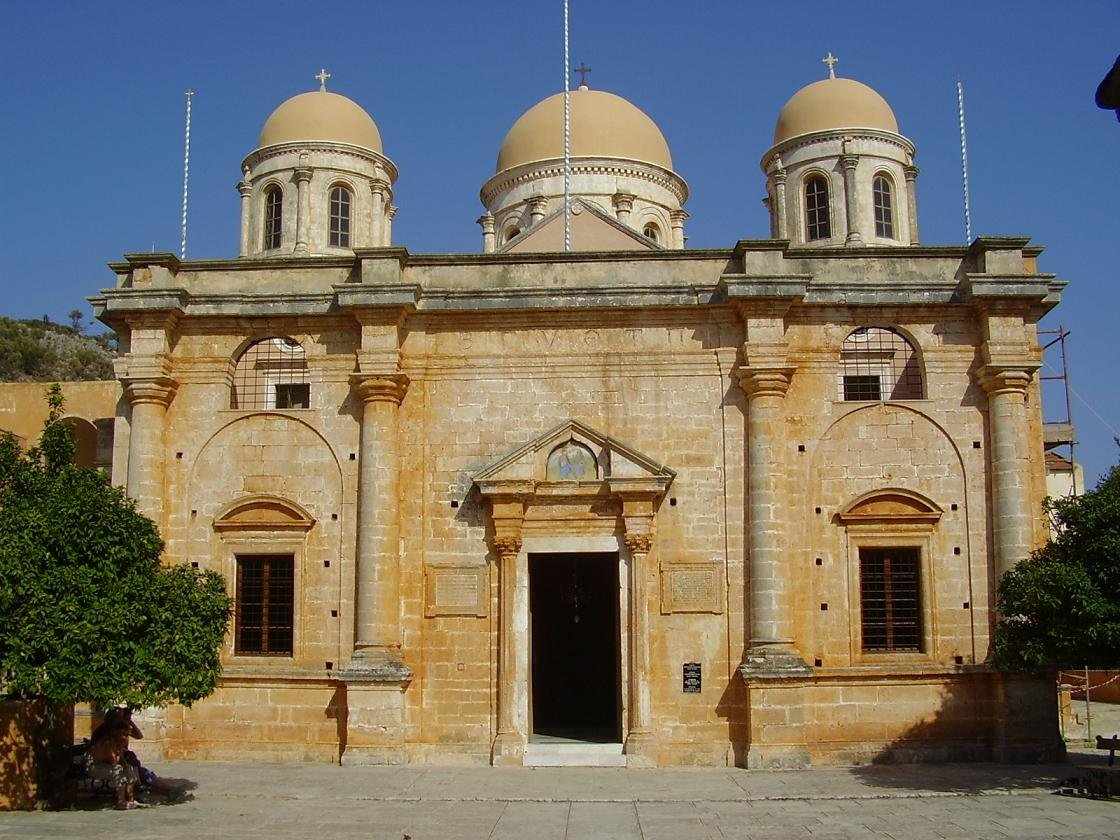
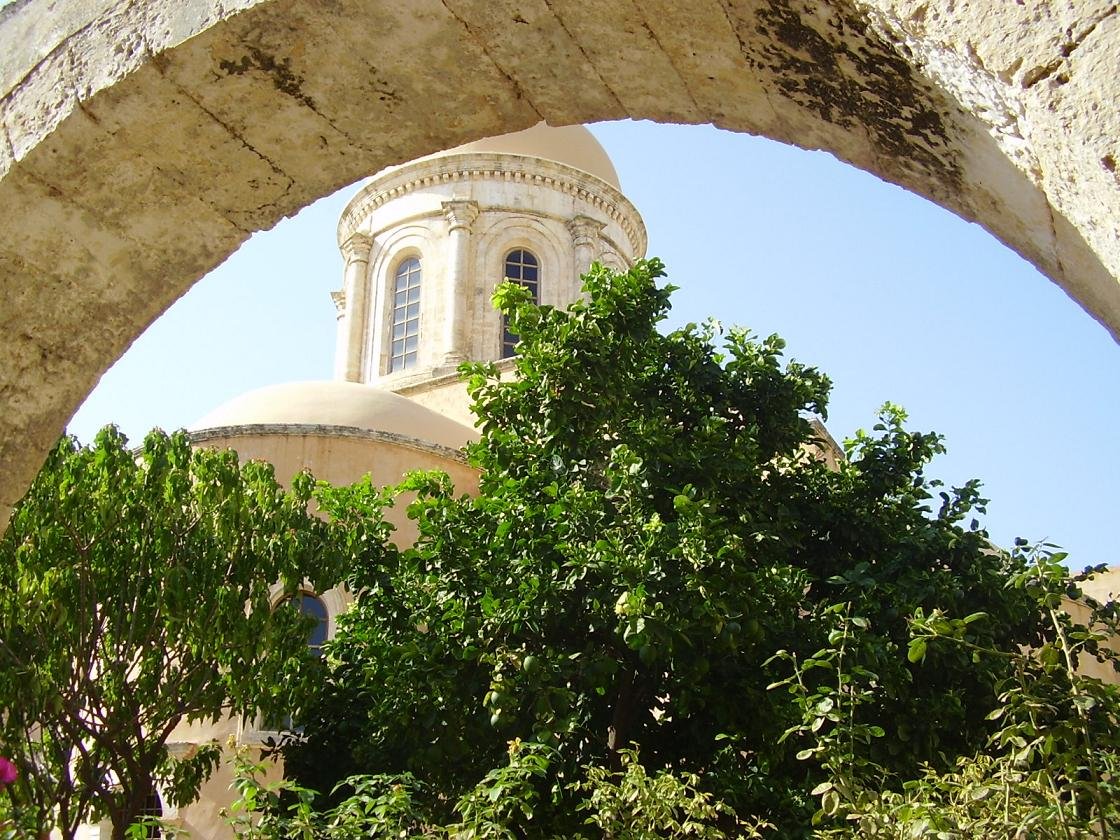
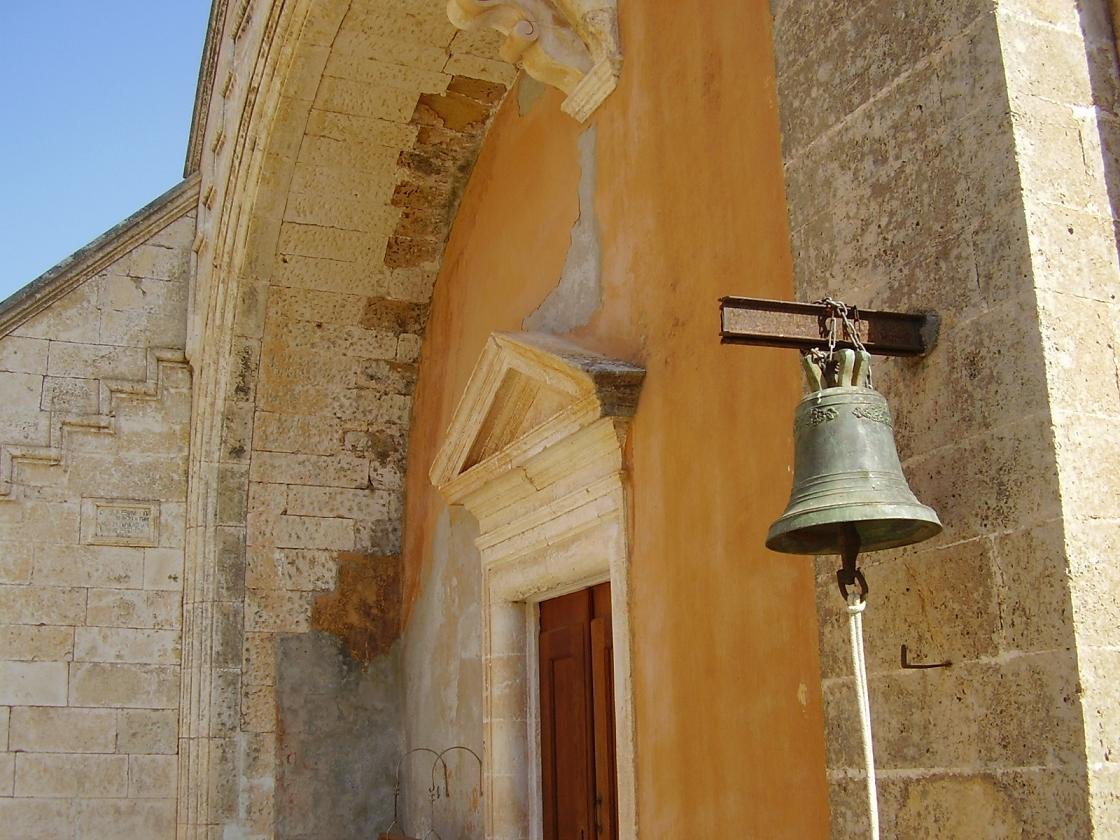
The monastery of Agia Triada has three domes. The bell-tower was added later in 1864. In the 19th century the monastery housed and important theological school. Inside the Agia Triada Monastery there is a library and a small museum with icons. It is a beautiful monastery and it's worth to have a look at it. Unfortunately you are not allowed to take pictures inside. There is a small entrance fee of a couple of euro's (2007) if you want to go on the premises.
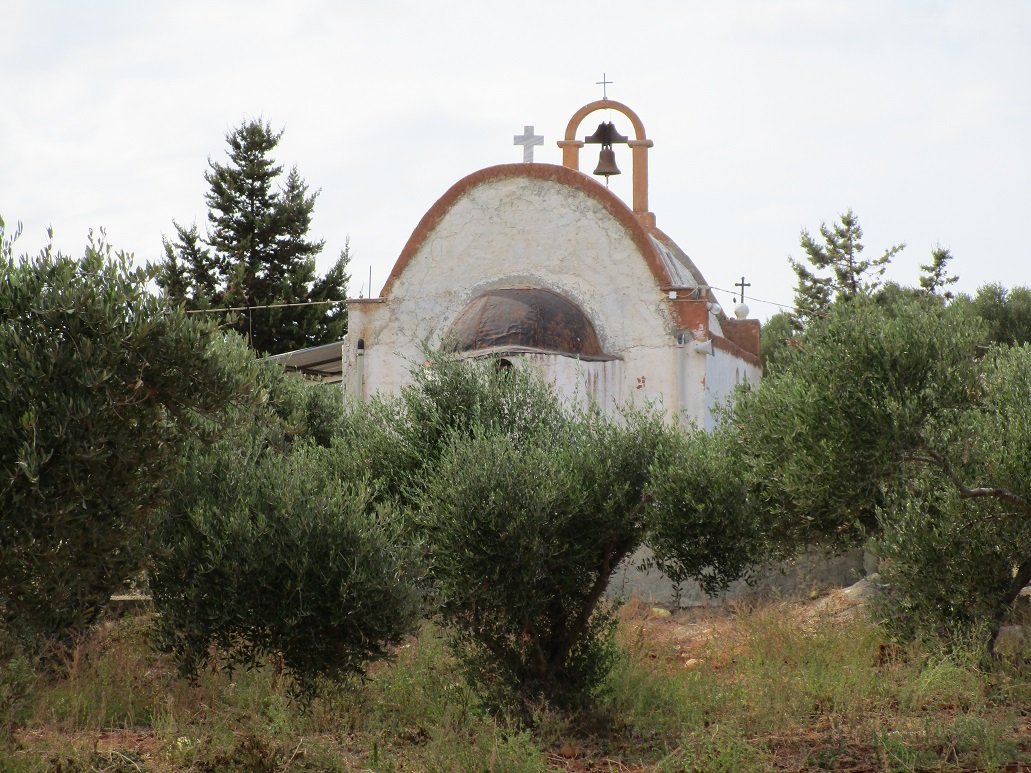
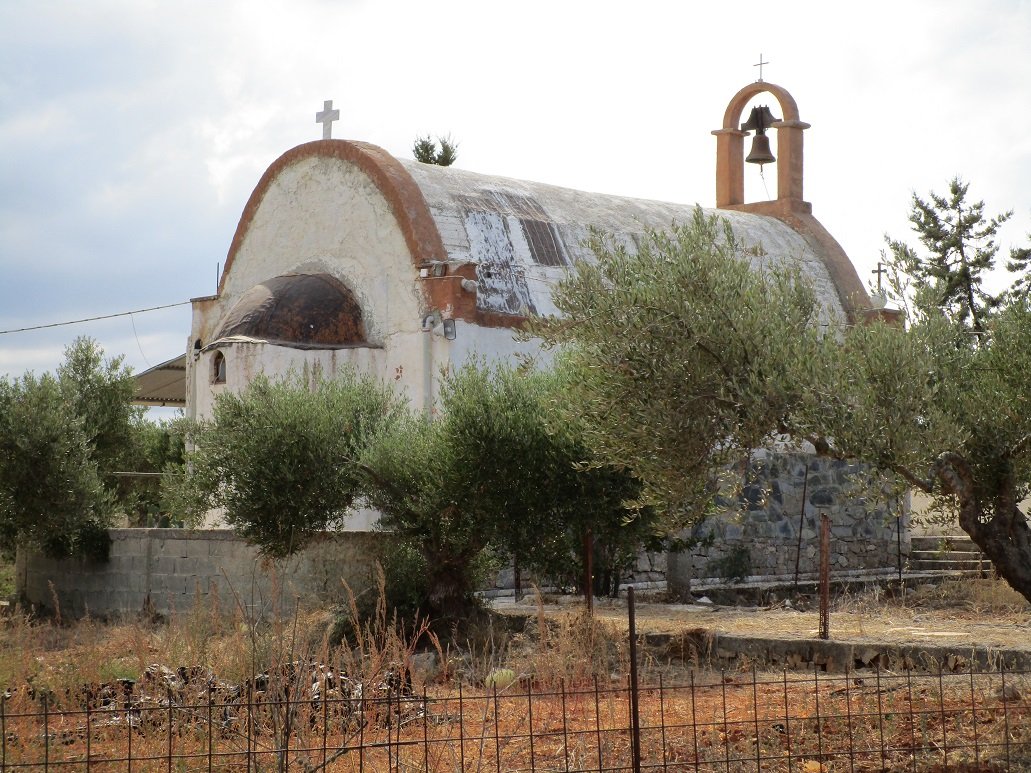
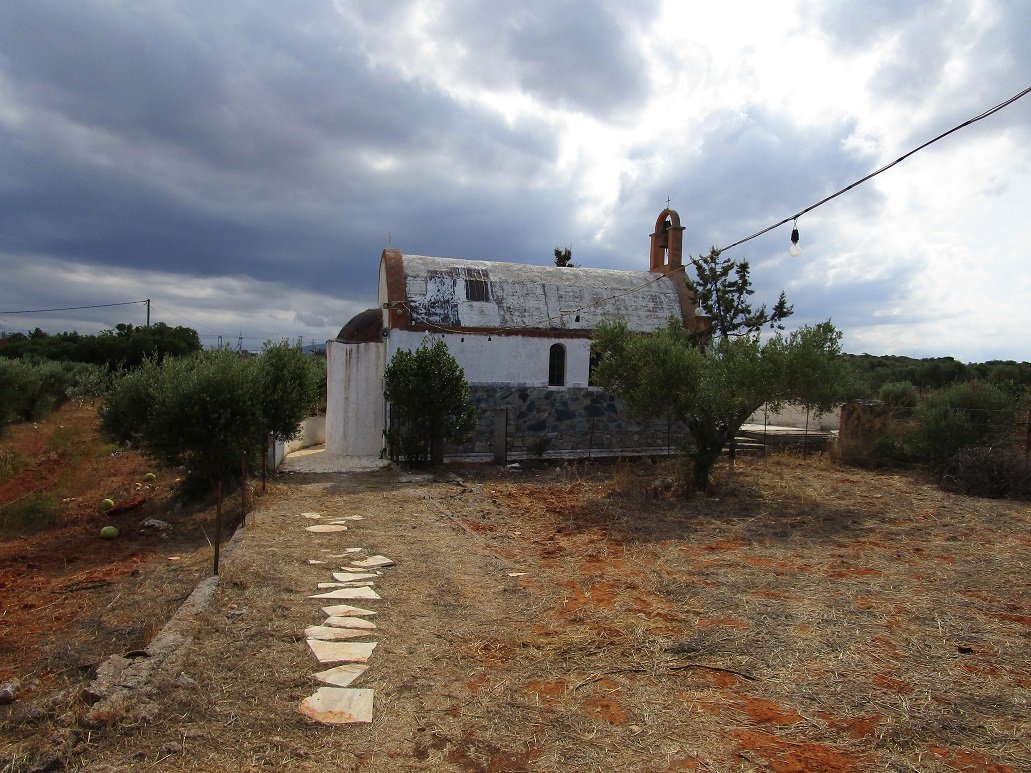
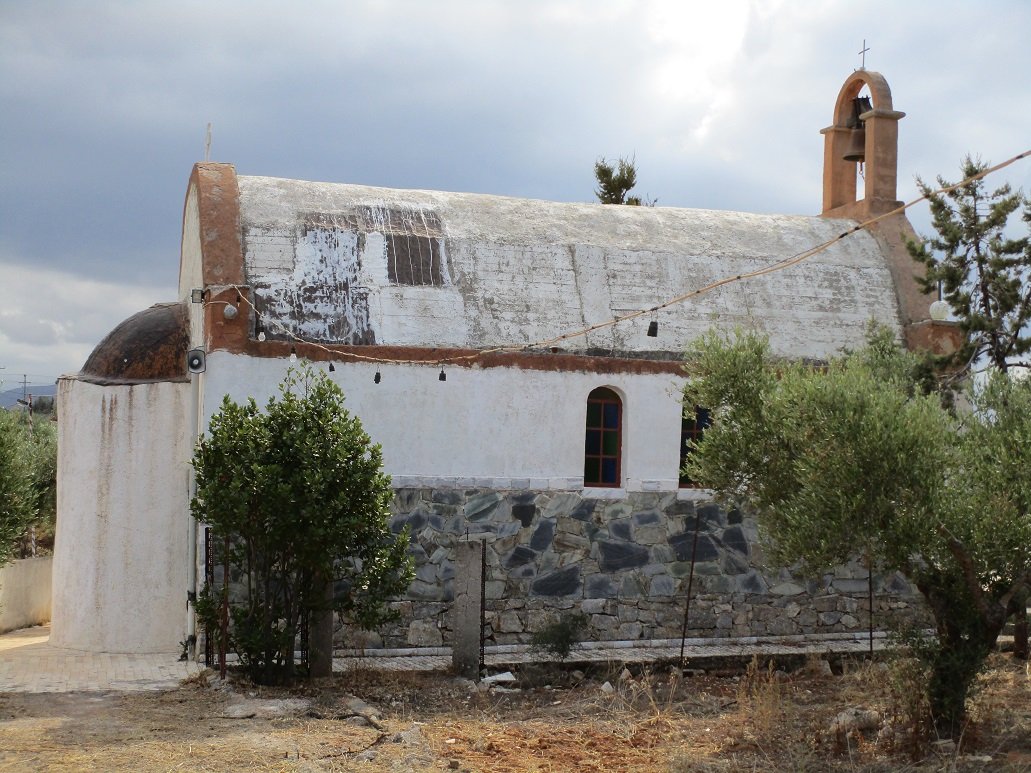
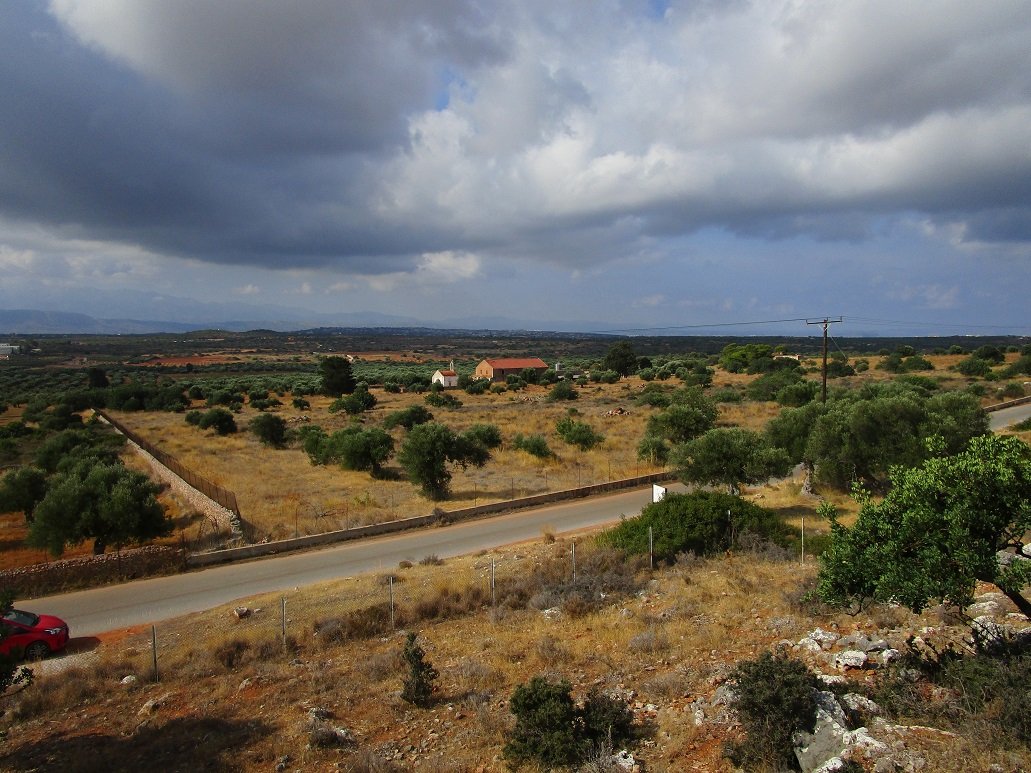

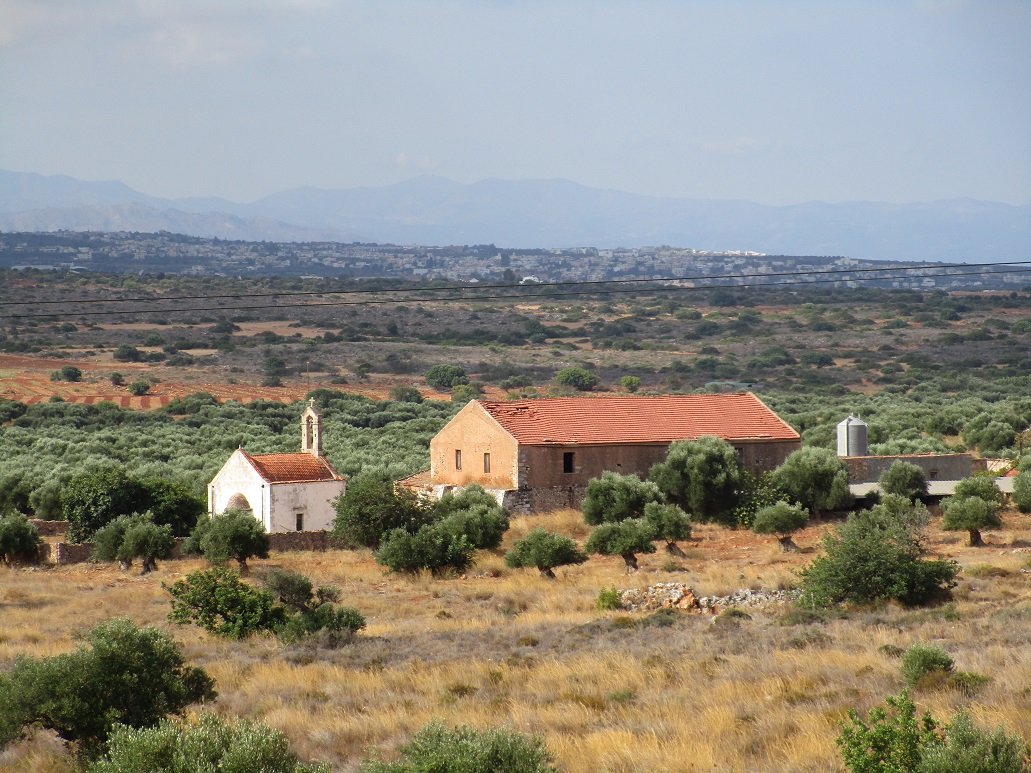
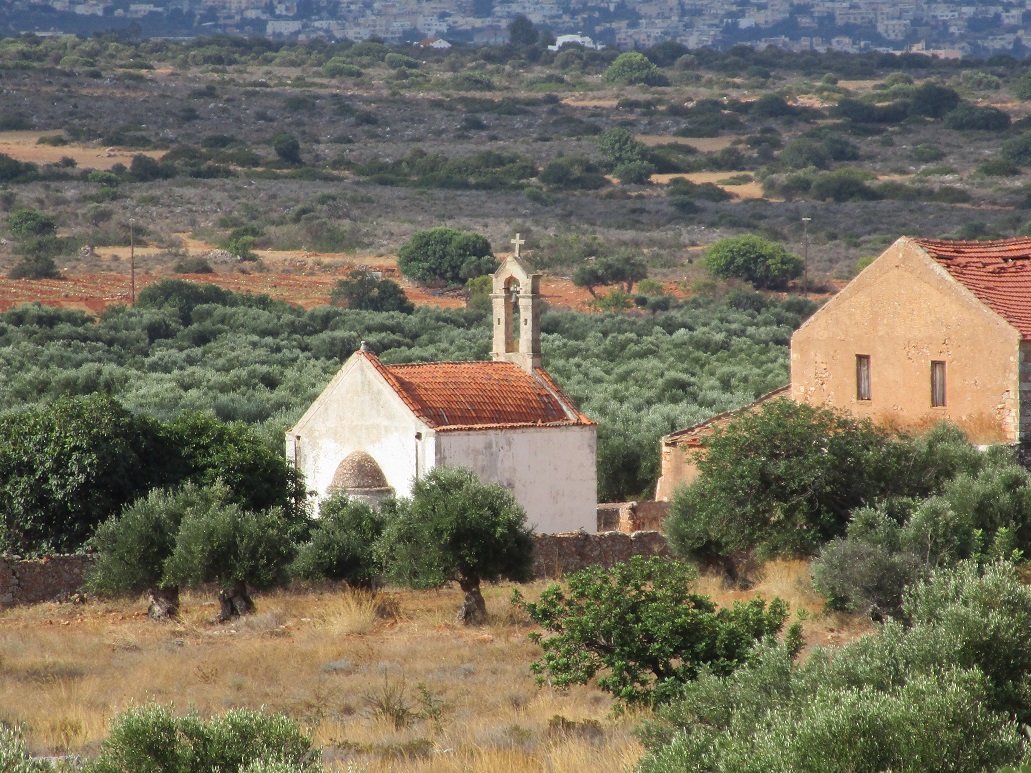
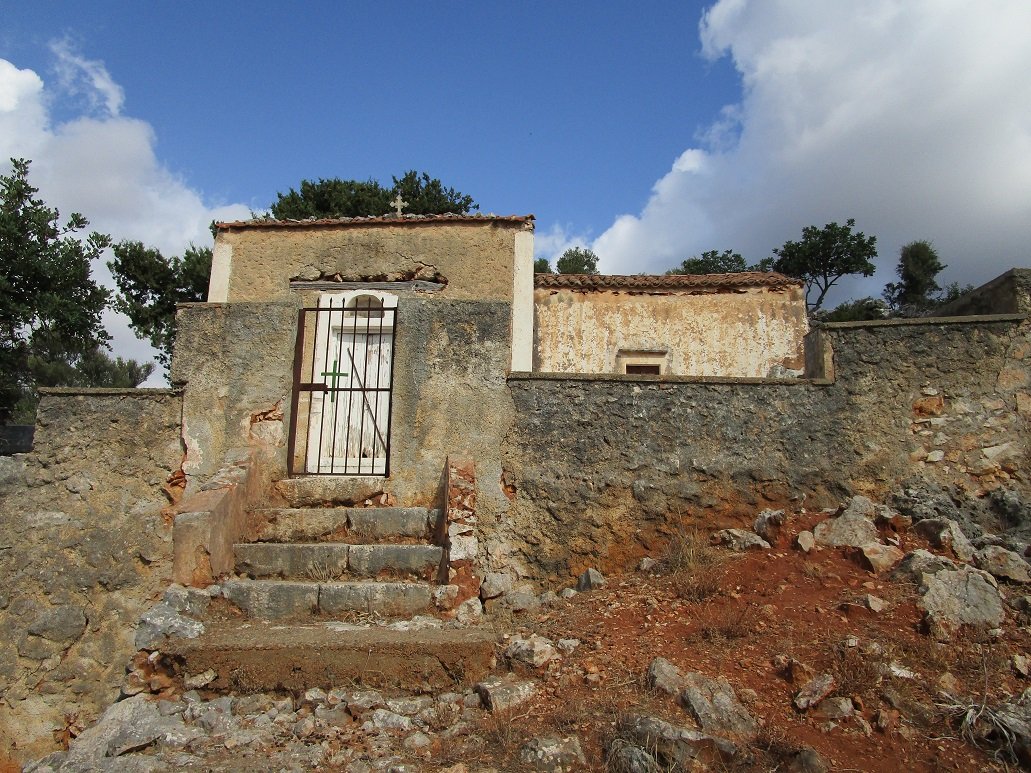
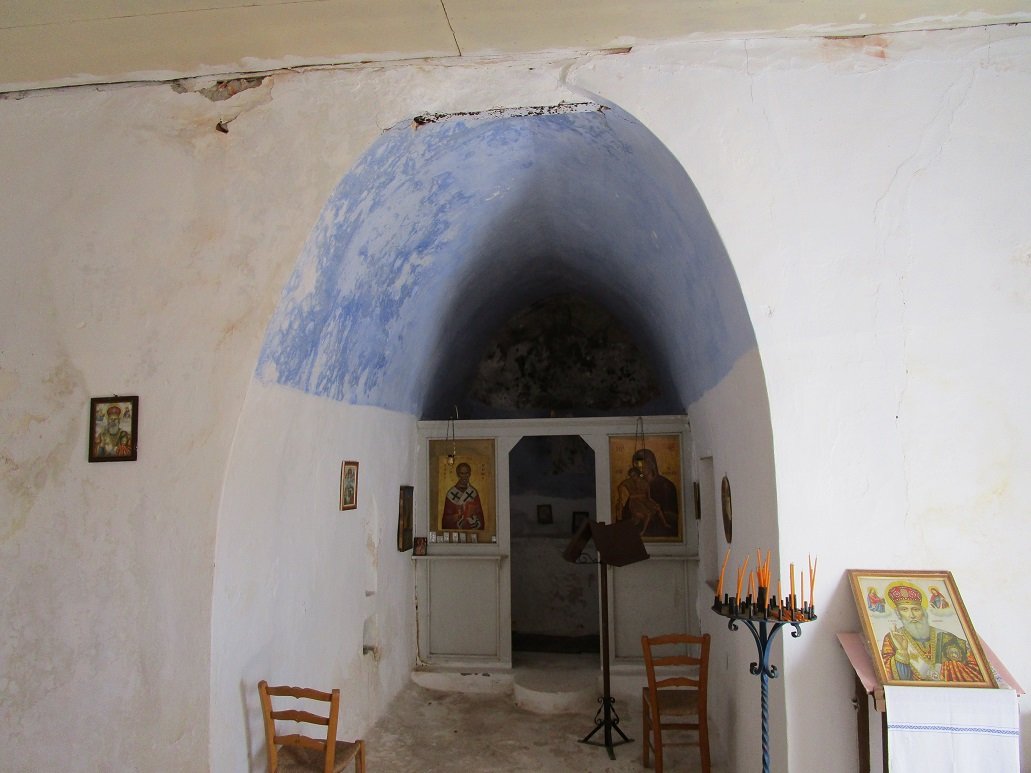
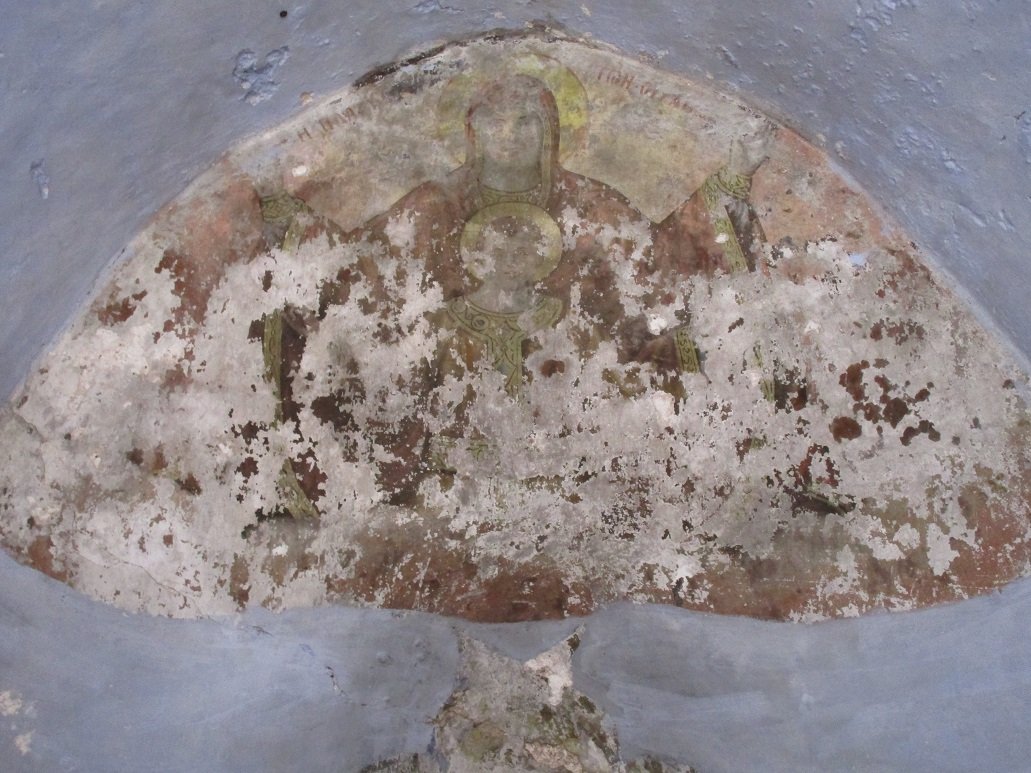
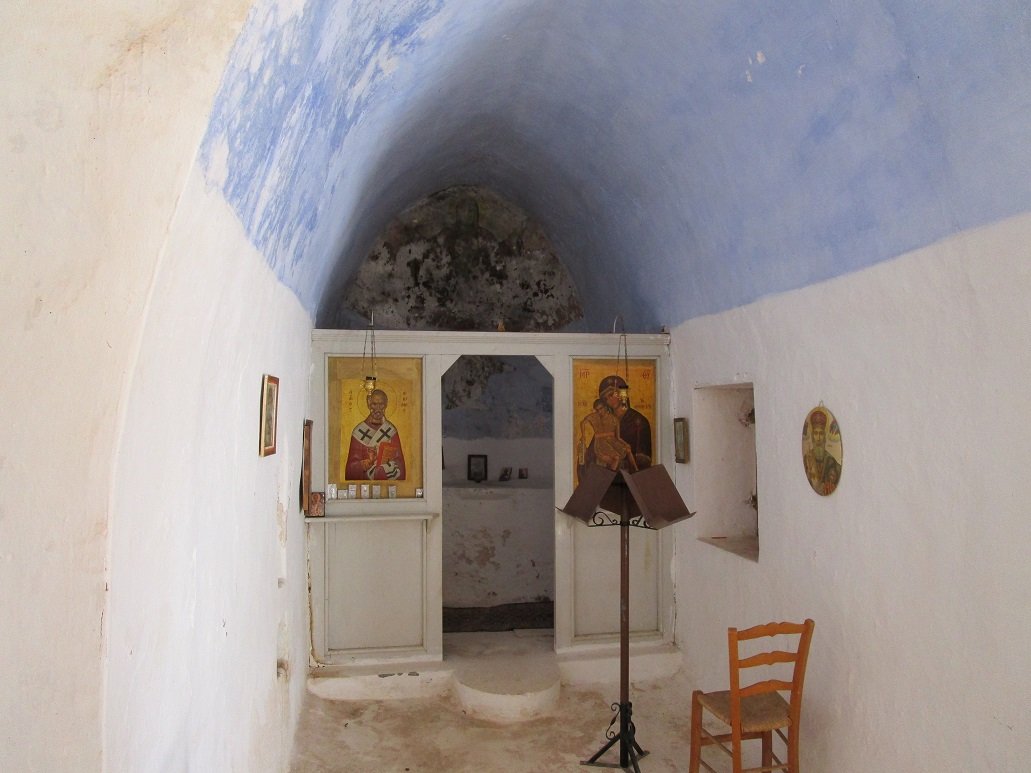
Surrounding the Agia Triada Monastery if you drive towards the Gouvernetou Monastery you can see a couple of interesting old churches. Not far from the monastery, about a 100 metres away you can see the first two on your left hand and your right hand side. The one on the left is small and it stands in a field next to a larger building. You cannot reach this one because it is behind a fence. The one on the right hand side stands on a hill. This one is open (or it was when we were there) and you can reach it through a gate. It contains the remains of on old fresco of Maria and child. Further down the road you can see the Agiou Savva en Kalymno or Saint Savvas van Kalymnos church (a church dating from 2012 dedicated to a saint that died in 1947 on the island of Kalymnos), and another older church which is also behind a fence.