


 <
<The antique town of Polyrrinia and the Akropolis near Kissamos in the west of Crete




Polyrrinia, Polirinia, Polyrrhenia, Polirrinia.... this small village and the remains of the ancient town gets all kinds of names on the signs. The village is situated 7 kilometers south of the town of Kissamos in the west of Crete. You can reach it by driving to and through Kissamos. About 1 kilometer after you have passed the entrance sign of Kissamos you will see a traffic island in the shape of a triangle. Here you will see the sign directing you to Polyrrinia. You turn left here and drive up the hills. You will see more signs pointing to the site while you drive to it, and you will notice that is is spelled differently all the time.....this is typically Greek, as if they can't make up their minds or as if they do not really know what the name of the place is.
Polyrrinia lies up on the hill and has wonderful views over the land, the hills and the sea. It is a quiet and old village, with many houses in a bad state, old houses with stone arches from Venetian and Turkish times and pussycats walking around. In between the old stone houses are the houses that people actually live in. They are painted white or stone built and they are surrounded by gardens full of flowers and vegetables, fruit trees and pots with flowers. You could be walking over the cobbled streets of most of this picturesque village without bumping into anybody, maybe just the occasional tourist that has come to look at the ancient site that lies inside and net to the village. It gives you the feeling that the village has been deserted. Polyrrinia remains completely unspoilt and spared of mass tourism: there are none. The narrow streets lead along old stone houses that are built on terraces and the hills that suround Polyrrinia are also terraced and have olive groves on them.


Several remains from antiquity can be seen inside the "modern" village of Polyrrinia. At the entrance of the village there are remains of a Roman tower. A few hundred meters at the end of the cobbled street is the Roman aquaduct (set down below the street) and there are a couple of Venetian arches. Just before the arches is a creamy yellow coloured house and on the right had side of this house are steps down to a small chapel that is built into the rocks. If you follow the signs to the Acropolis you will see houses that are cut into the rocks on your right hand side.
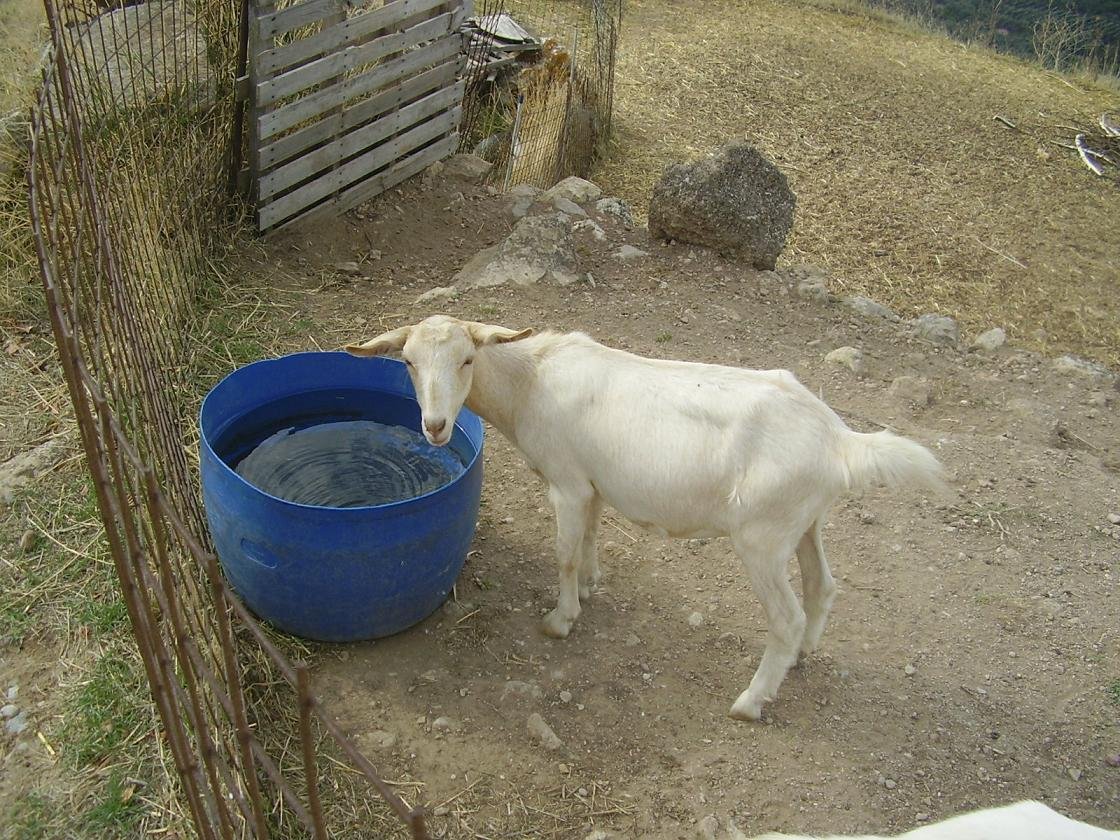
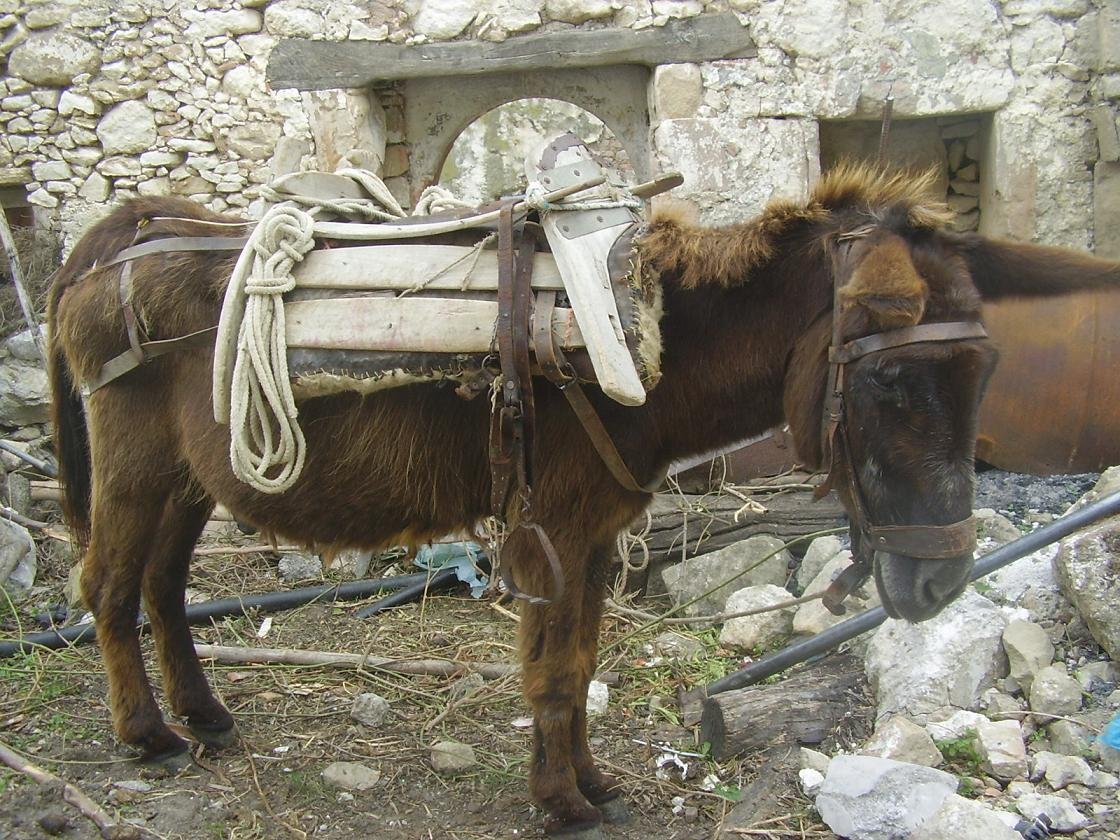
Polyrinnia means "many sheep" in Greek (poly = many, renea = sheep) and it is believed that the first inhabitants were probably shepherds. Today Polyrinnia has been taken over by goats and donkeys though, and there isn't a sheep in sight. The town was built in the 8th century B.C. and started life as a Dorian colony (with people from the Peloponesse). It was a fortified hill town and it had a port in Falassarna and in Kissamos, where also remains from the same period have been excavated. Polyrrinia was regularly at war with its neighbour Kydonia (nowadays Chania). One of the ports of Polyrrinia, Falassarna, later also became a rival. Polyrrinia was very prosperous and powerful and it even minted its own coins. It was the most fortified city of Crete and dominated the western part of the island. The town was conquered by the Romans and after the invasion the inhabitants quickly put up a statue in the town of the Roman conqueror of Crete, Quintus Metelles. They became an ally of Rome and were favoured with public buildings. The Romans also constructed a water supply system with an aquaduct and fountains for the lower part of Polyrrinia. This was a gift from the emperor Hadrian.


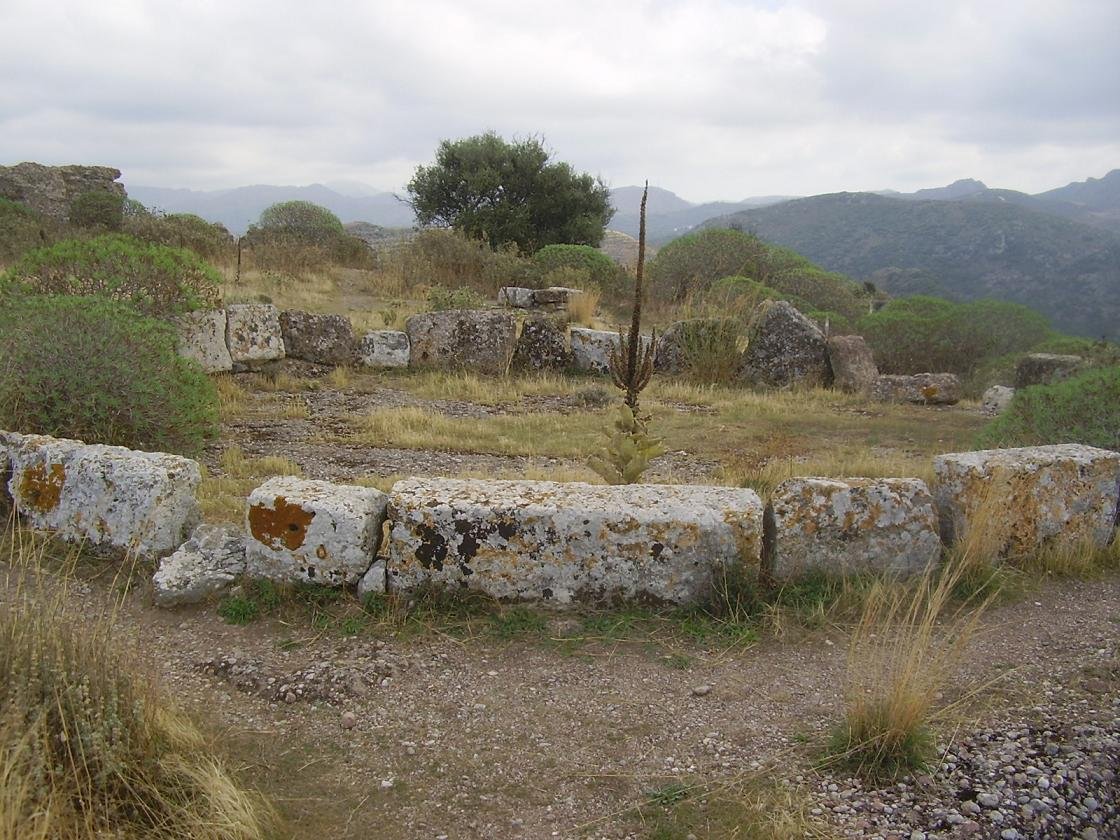
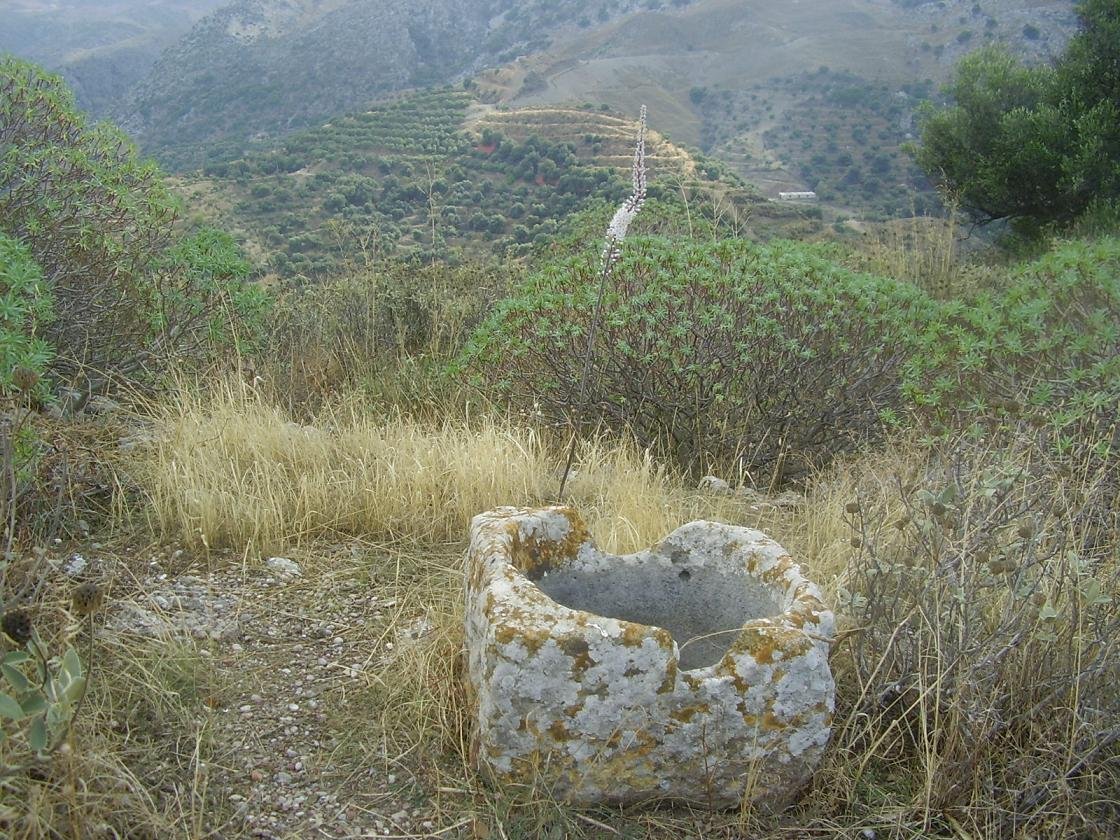


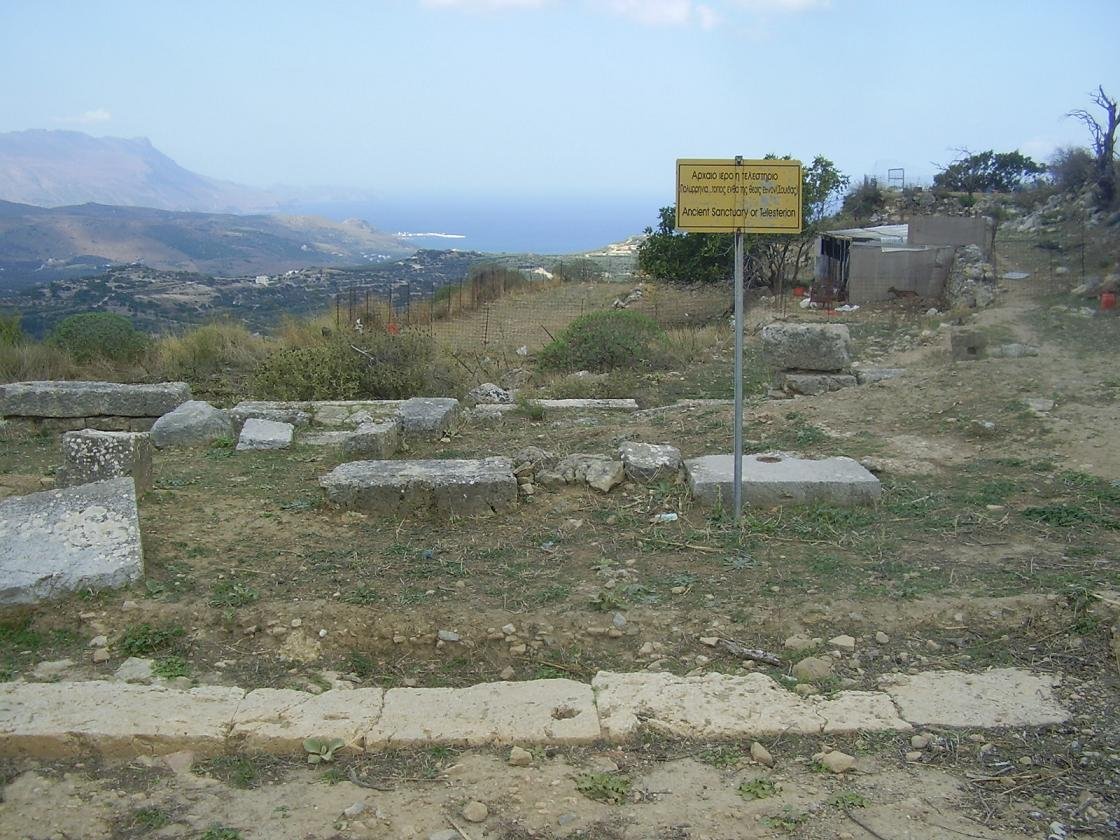
On the outskirts of the village lie water cisterns and burial chambers from early Hellenistic times and remains from Hellenistic walls. At the site of an ancient temple that dates from the 4th century A.D. the Church of 99 Saints was built. When building this church in 1894 material from the old temple was used and on some of the stones you can see Latin inscriptions. On the eastern side of the church wall the temple altar was incorporated. Here you find the beginning of the path leading up to the acropolis and the ruins of a Byzantine fort. The Acropolis is set on the top of the hill at an altitude of 420 meter above sea level and has views over the Gulf of Kissamos. Ecavations is Polyrrinia have stopped in 1938 and the remains that are visible now are the top layer and mainly from Roman and of later times.


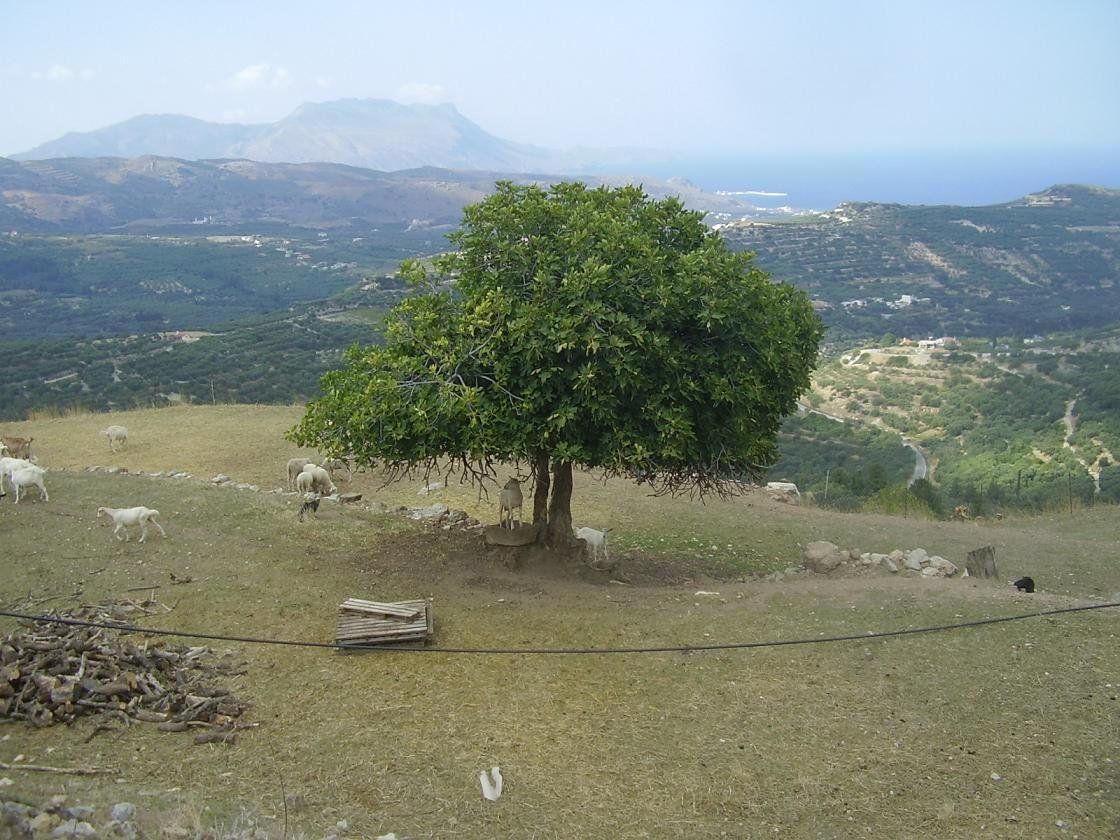


Despite its almost impregnable position on the top of the hill, Polyrinnia was invaded and destroyed by the Arabs in the 8th century A.D. It was than rebuilt and added to in the Byzantine and the Venetian period. Also in the small village Polyrinnia below (which formerly had the name "Epano Palaiokastro") some of the houses were built with the remains from old ruined houses and temples.
More info on Polyrrinia at the Pinterest board �Polyrrinia Kissamos".