<
<The village of Rokka and ancient Rokka on the island of Crete



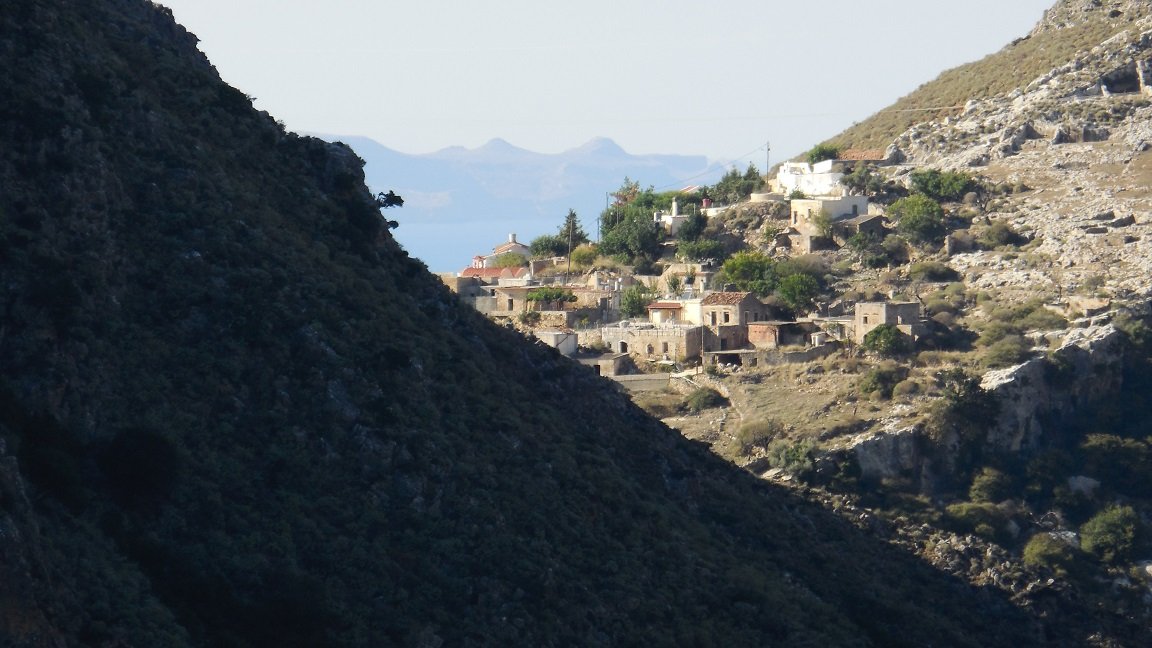

 Rokka is a beautiful small village in the prefecture of Chania at about 35 kilometers southeast of the town of Chania. It is not far from the town of Kissamos (15 kilometer) and is accessible via the exit of the village Nopigia, which is located between the Rodopos peninsula and Kissamos. You follow the road to Koleni and Faleliana to Rokka. The village is situated on a gorge which can compete in beauty with the Samaria Gorge. The gorge is about 2 kilometers long, starts 200 metres from the olive oil factory Biolia in Astrikos (and not in Douliana as many pages suggest) and ends in Rokka. The rock walls go straight up and reach in some places a height of 200 meters, while the width in some places is only 5 meters.
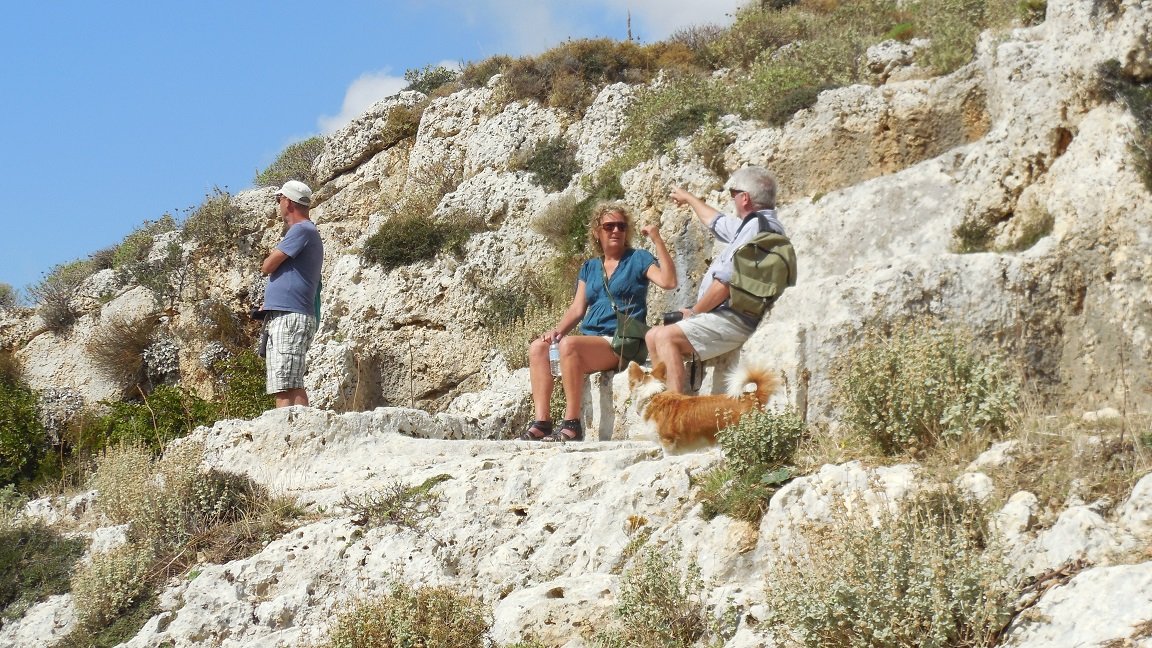
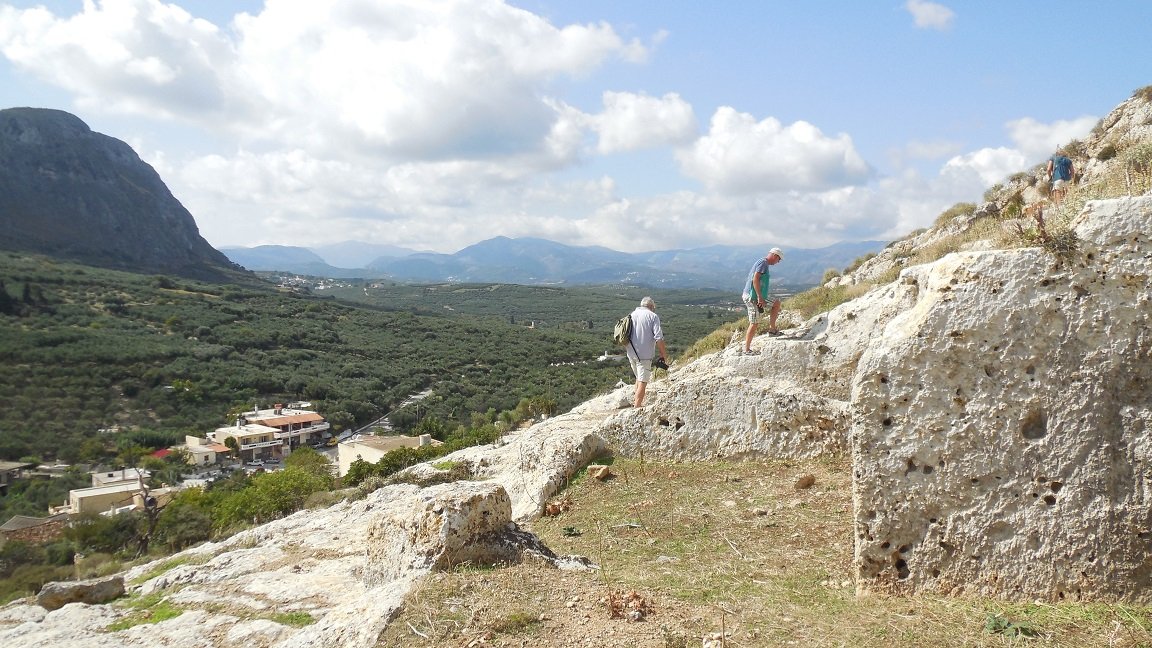
From the excavation of Ancient Rokka, you have a truly spectacular (and intimidating) view of this gorge. At the edge you look 200 meters down. I was at 3 meters from the edge and I already got dizzy. The photos that I have made here are nice, but in reality it is all much, much more beautiful, and you should go and see it for yourself. The scenery and vistas are beautiful beyond description. From the modern village of Rokka you also look out over the Gulf of Kissamos and the green landscape with the occasional village or a church. The cliff / mountain that rises above the village of Rokka is called Trouli and it is the site of a Venetian / Byzantine castle, of which now only the ruins remain. The climb to the 267 meter high top is indicated with red dots and starts left from Ancient Rokka. It can get scary at some times (so we did not do this). From the top of the rock you have views over both the Gramvousa and the Rodopos peninsula, and the gulf of Kissamos.





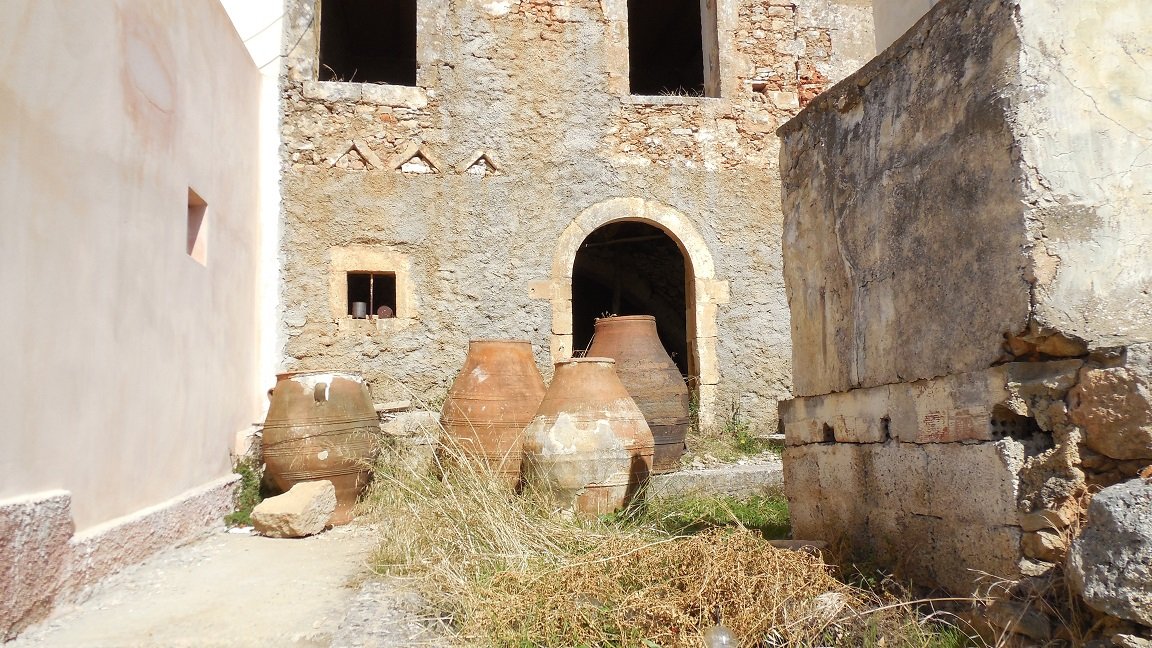
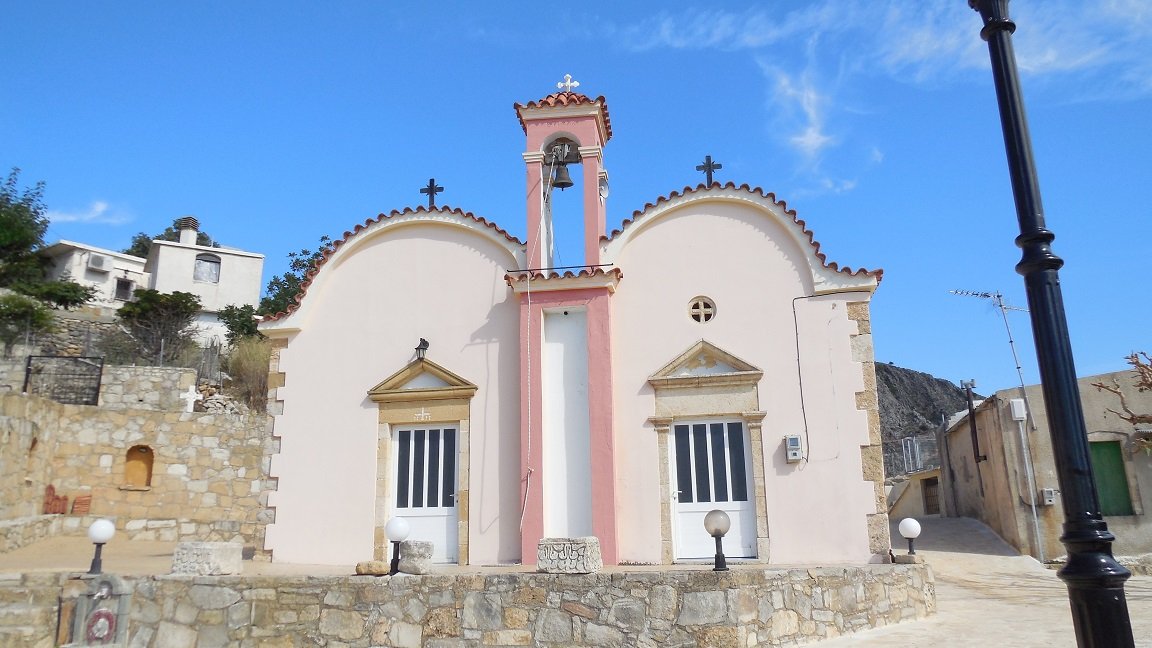
It is already worth to go and see the village of Rokka itself. It has about 100 inhabitants, is located at an altitude of 210 meters, has stunning views, a nice church, beautifully restored houses and some beautiful old dilapidated buildings. It is a very peaceful and traditional Cretan village without facilities. There is also no tavern or kafenion in the village. At the church, which dates from 1888, a few relics have been put down that were found at the site of Ancient Rokka which is situated next to the modern village, such as (I think) a nicely carved part of a column and a type of grinding stone. There is also a part of an old wall with very large stones, probably the remains of the city wall. In all likeliness a part of the modern Rokka was built on the ancient Rokka.
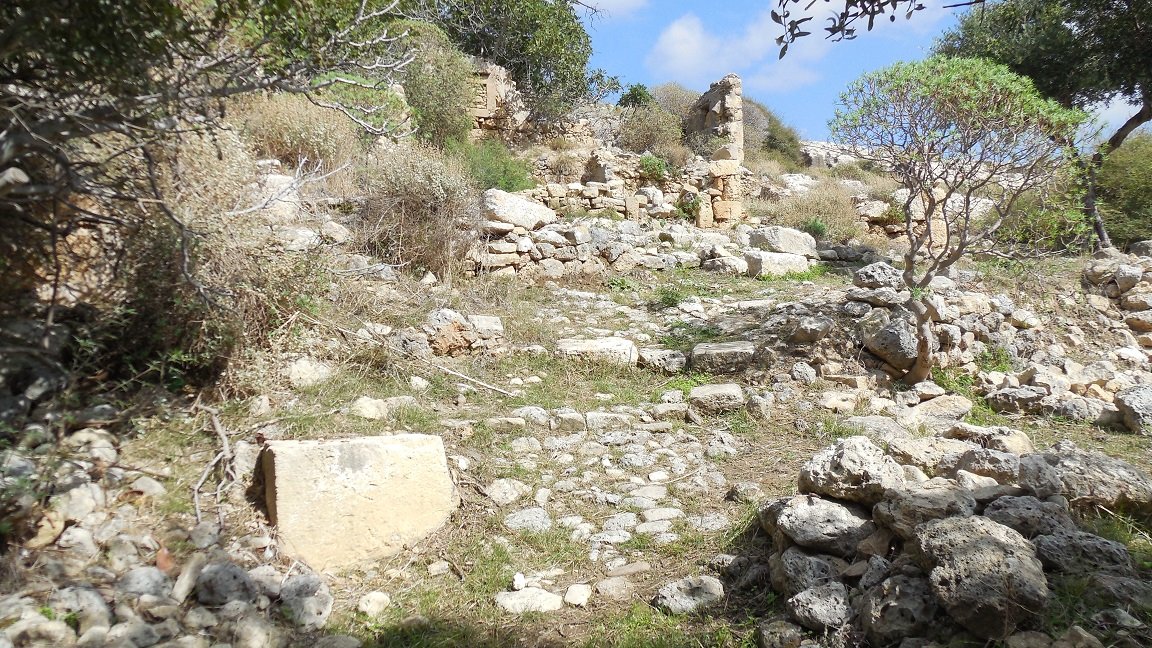
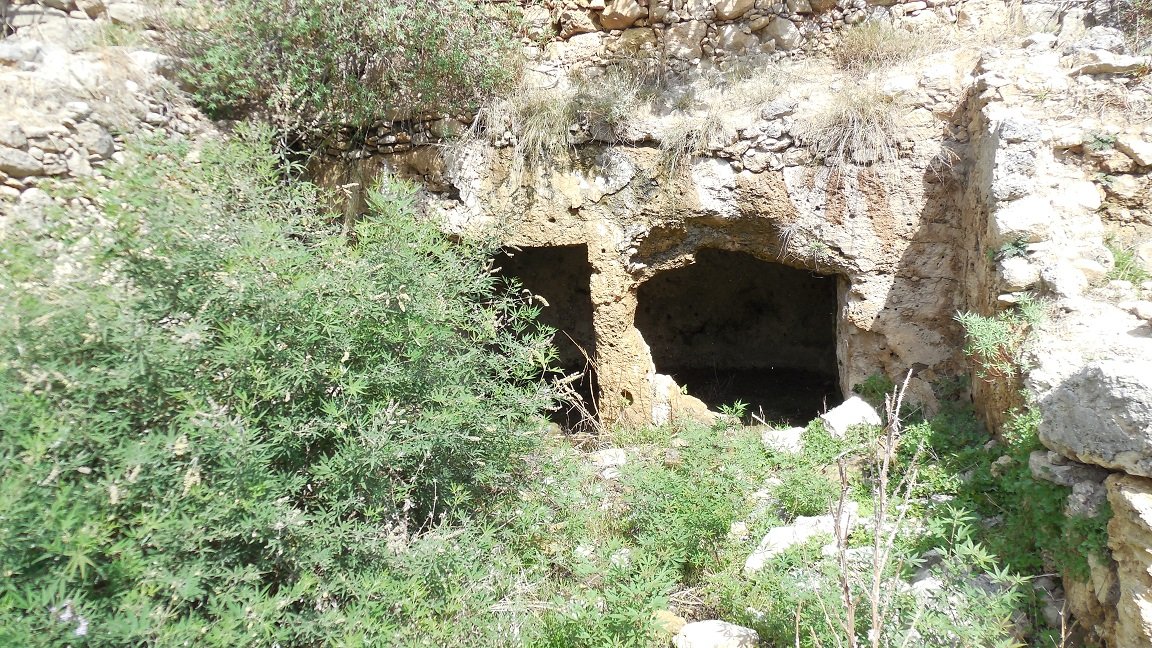
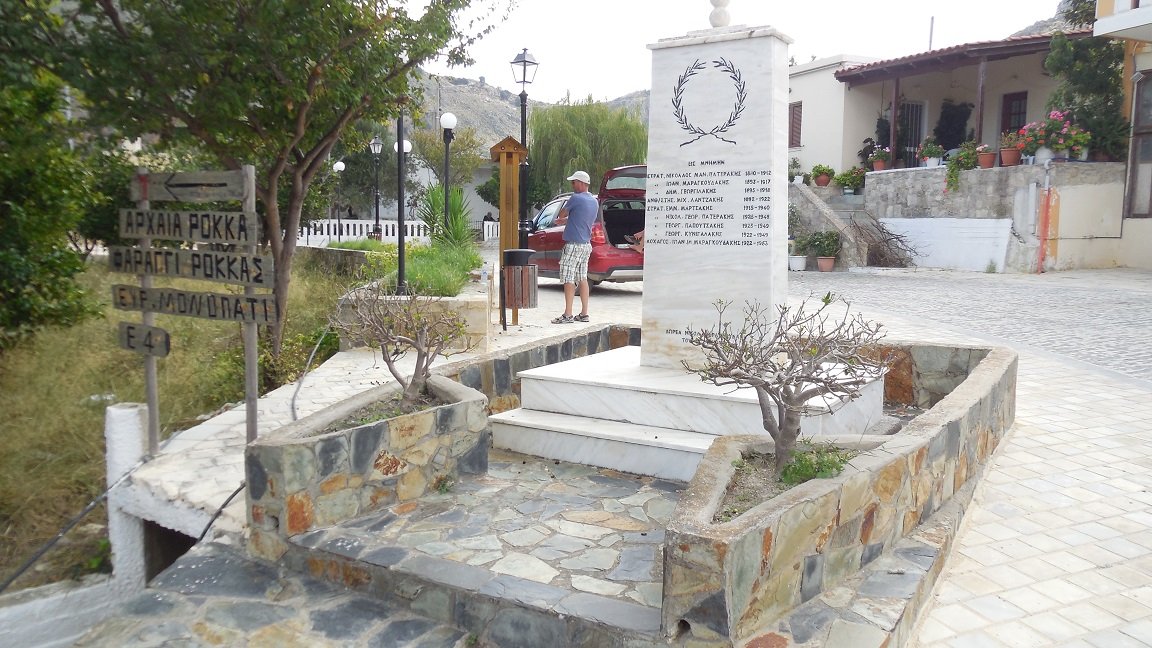
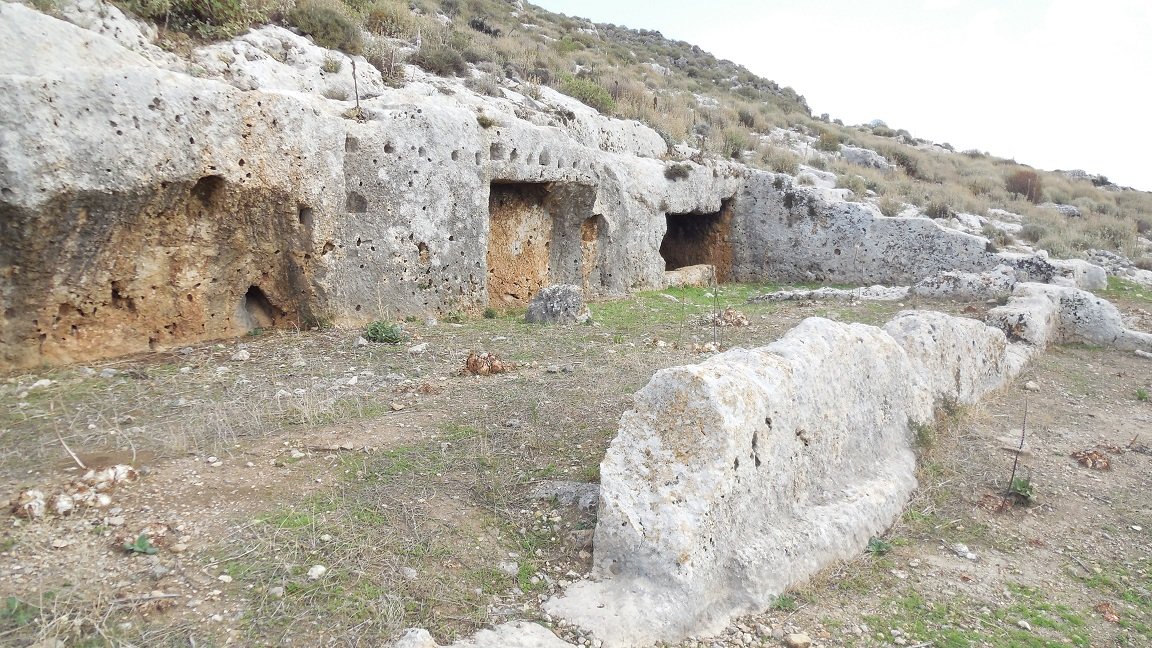
On the outskirts of the village, and marked with a sign, you will find the ancient city of Rokka. The walk up starts at a monument that stands in the village to commemorate World War II. There is also a sign that explains about the old town, but it's written in Greek (handy for the tourists). Rokka probably was not an autonomous city, but part of the nearby town of Pollyrinia. Objects have been unearthed here that date from the 5th to the 2nd century BC. For some time Ancient Rokka has been declared an archaeological site. There are remnants of walls of houses, houses carved into the limestone, carved staircases and water tanks and pipes for rainwater. Scattered around the grounds there are also many shards of pottery.