


 <
<The village of Meskla on Crete - The Church of Christ Savior and the church of the Virgin Mary






 Meskla is a small and quiet traditional village located at 21 kilometer distance southwest of Chania on the road Chania - Fournes - Omalos. It can be reached by taking the exit to the left in the village of Fournes. The road on the right heads for the villages of Lakki and Omalos. A narrow road with many curves that leads through forest, orange groves and olive groves will take you to Meskla in about 20 to 30 minutes. Meskla is the site of an ancient city, and various artefacts and remains of cyclopean walls have been found here. The ruins of the houses and the remains of a city wall can be seen around the village of Meskla. It is unsure which city was situated here and what its name was.


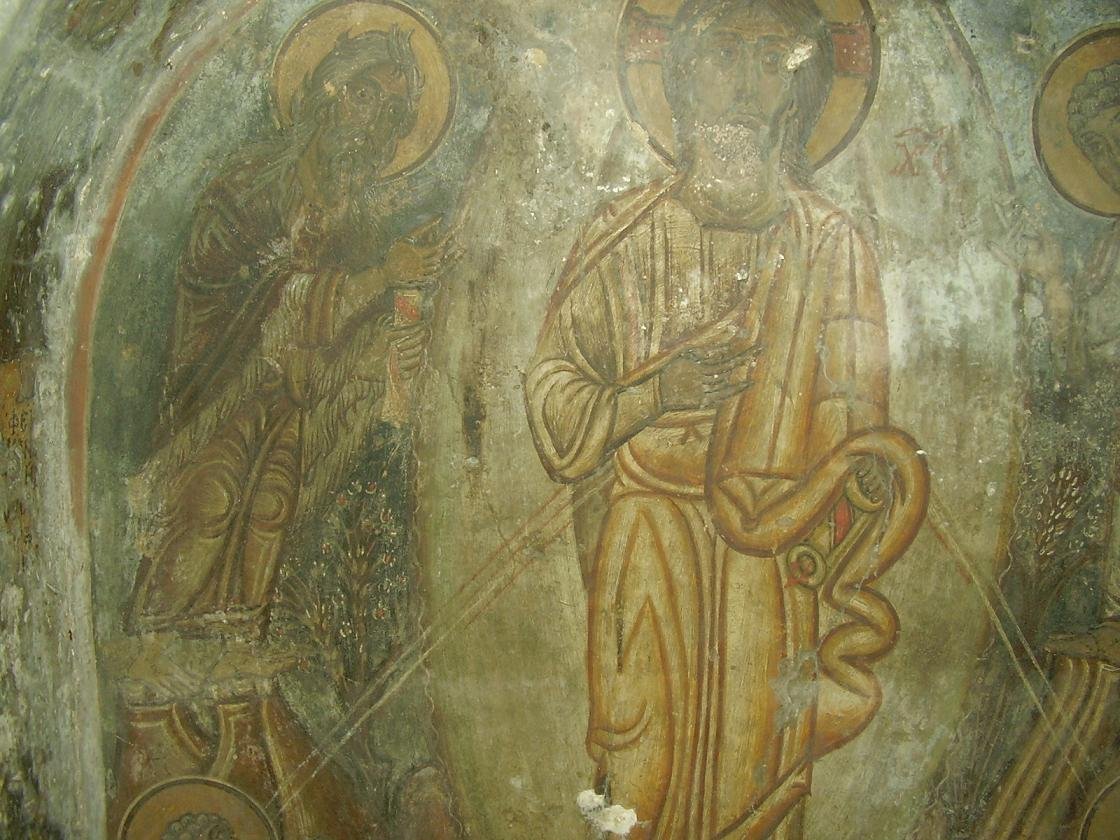


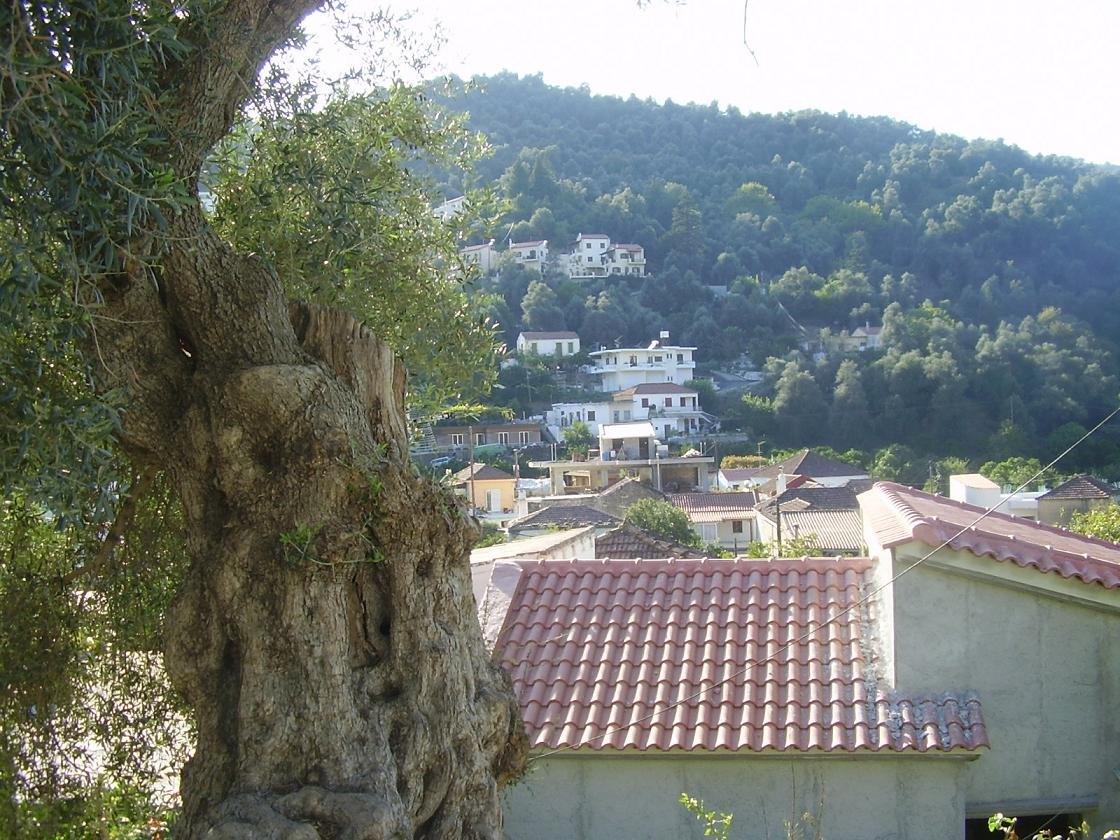
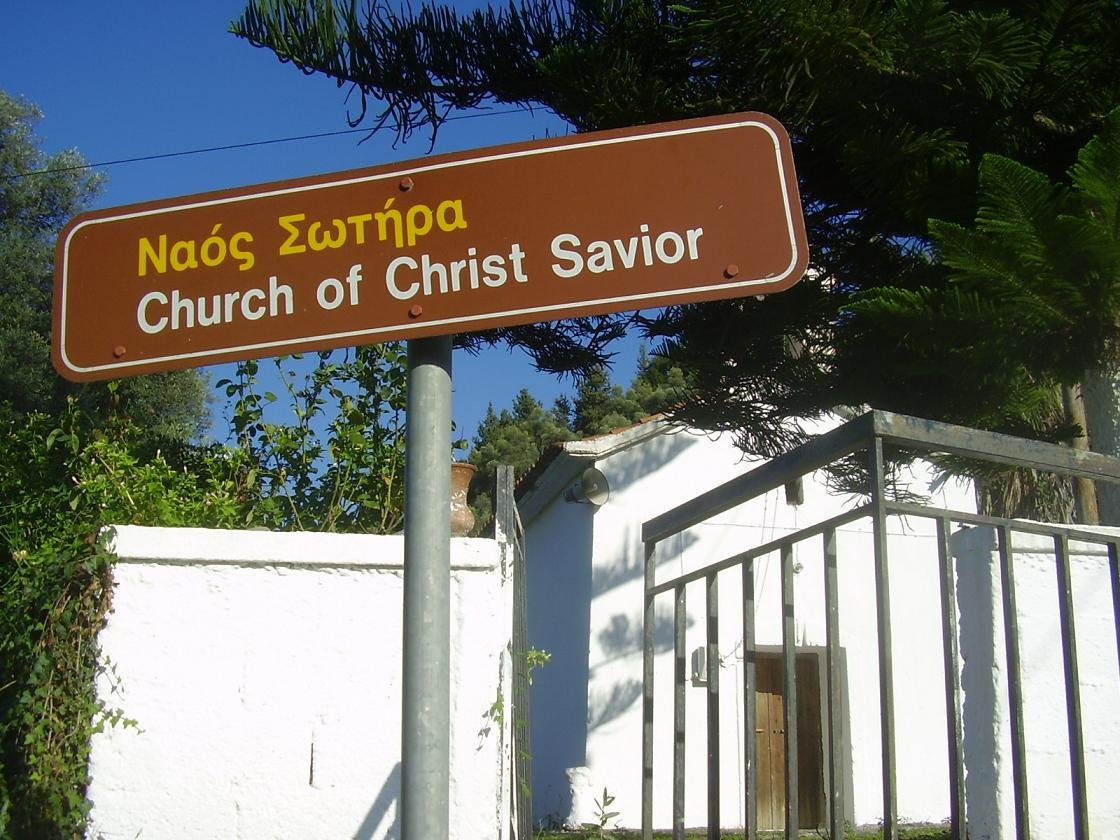
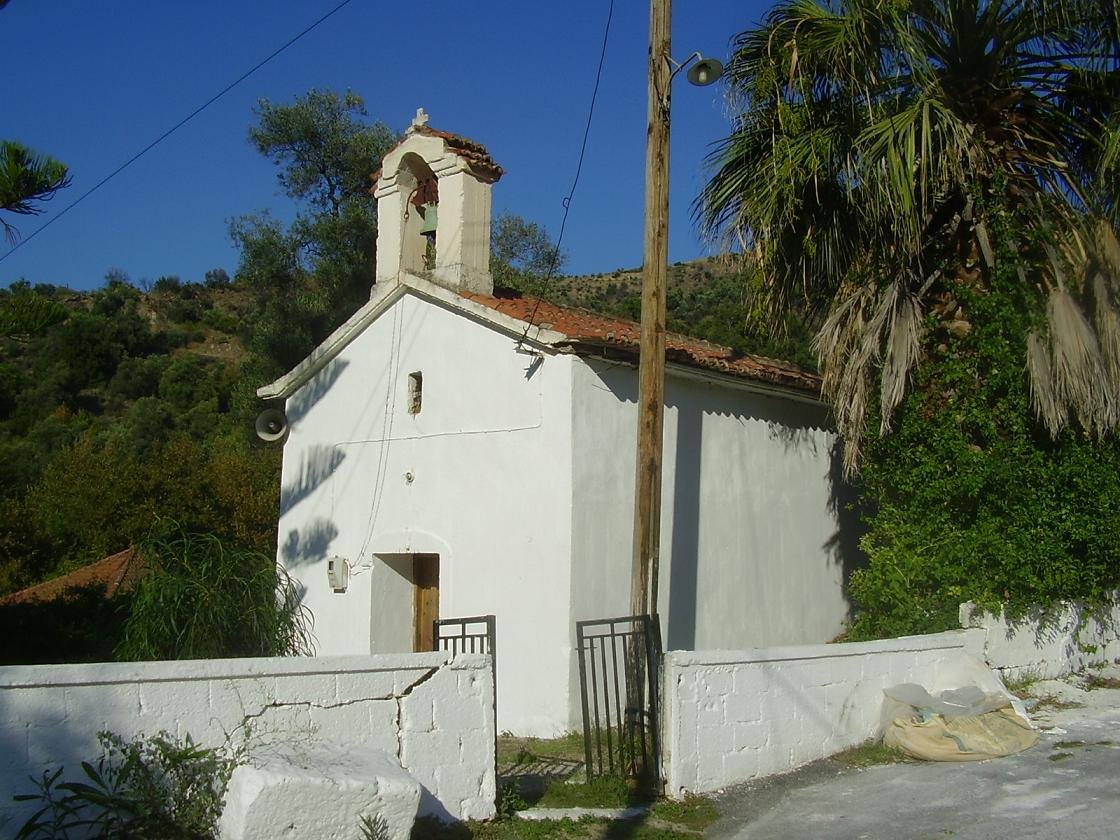
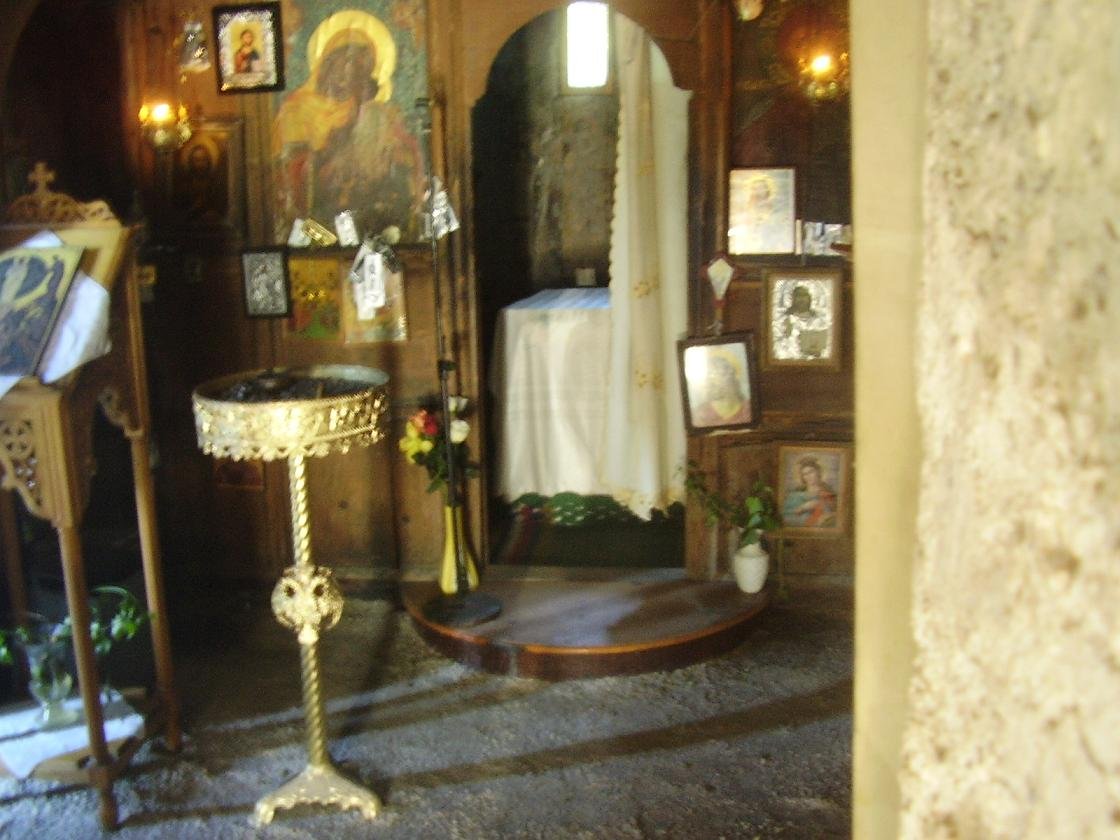
Meskla has traditional stone houses and is situated between green hills in the nature of the fertile Keritis Valley. Through this valley runs a river and in the back of the village are the White Mountains. Meskla is set at the foot of these White Mountains in a ravine. The village of Meskla was destroyed during the Venetian period (when the leader of the revolt, Kantanoleon, had his headquarter in Meskla) and also during the Turkish period. Two of the Byzantine churches with 14th century frescoes in the village have survived the destructions though. One of these churches is the Church of Christ Saviour or "Sotiras Christos Church" with paintings by the hand of Theodoros Daniel and his nephew Michaeli Veneris dating from 1303 A.D. The church was founded by the monk Leontios Khossakis. The site is clearly marked with a brown sign and the church is open (or it was when we were there, although somebody had put a chair against the other side of the door - but on the other side of the church there is another door which usually has the key inside). A bit further on the road if you walk through the village over the bridge on the north side of the village you find the 14th century Virgin Mary Church. This church contains parts of earlier buildings including a temple of Aphrodite that was once built in this exact place and the mosaic on the floor of the present church floor was once the mosaic floor of a fifth century basilica. Behind this church a very large and imposing new church has been built.