


 >
> <
<The village of Apodoulou near Agia Galini and Timbaki on the island of Crete
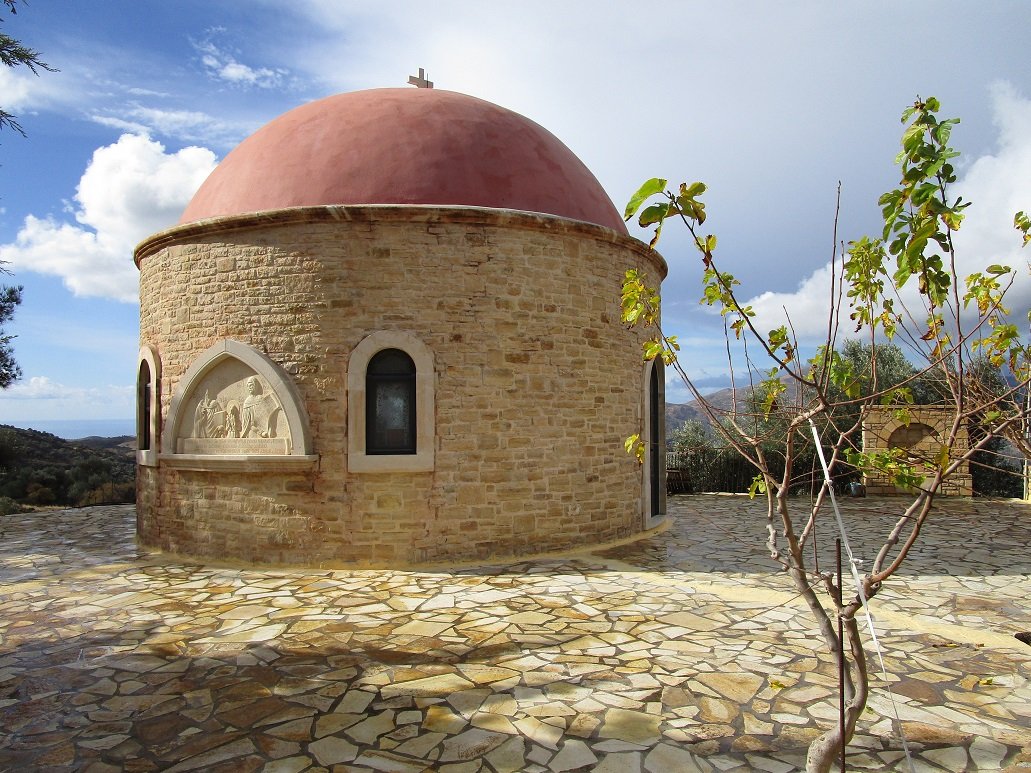


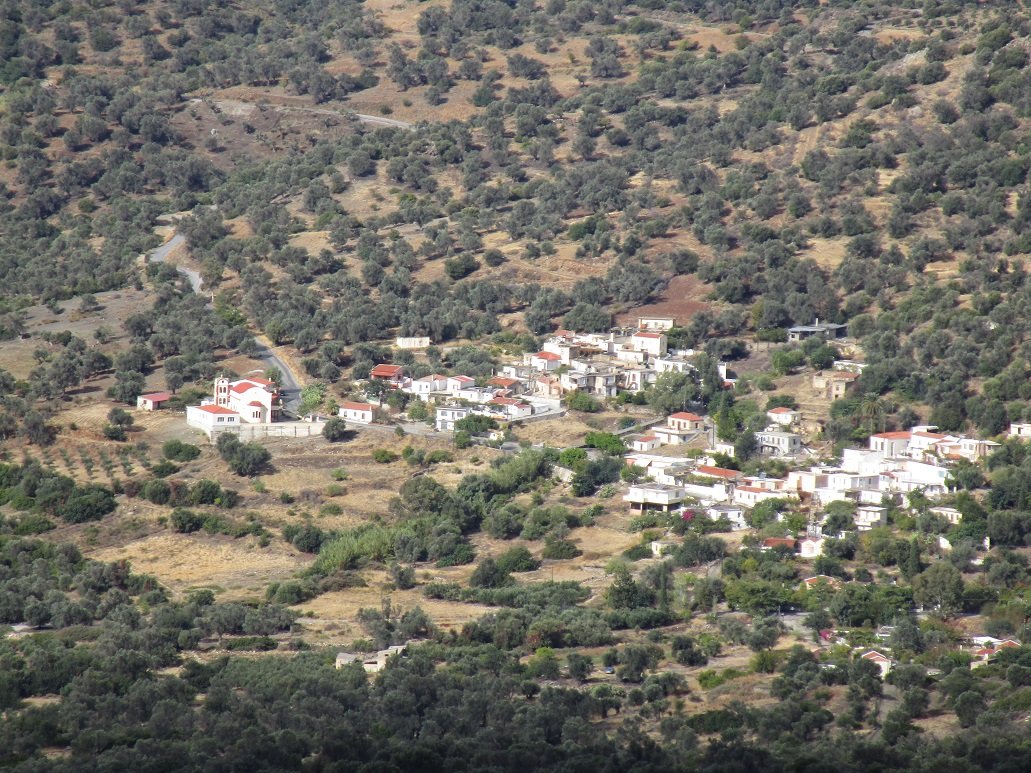

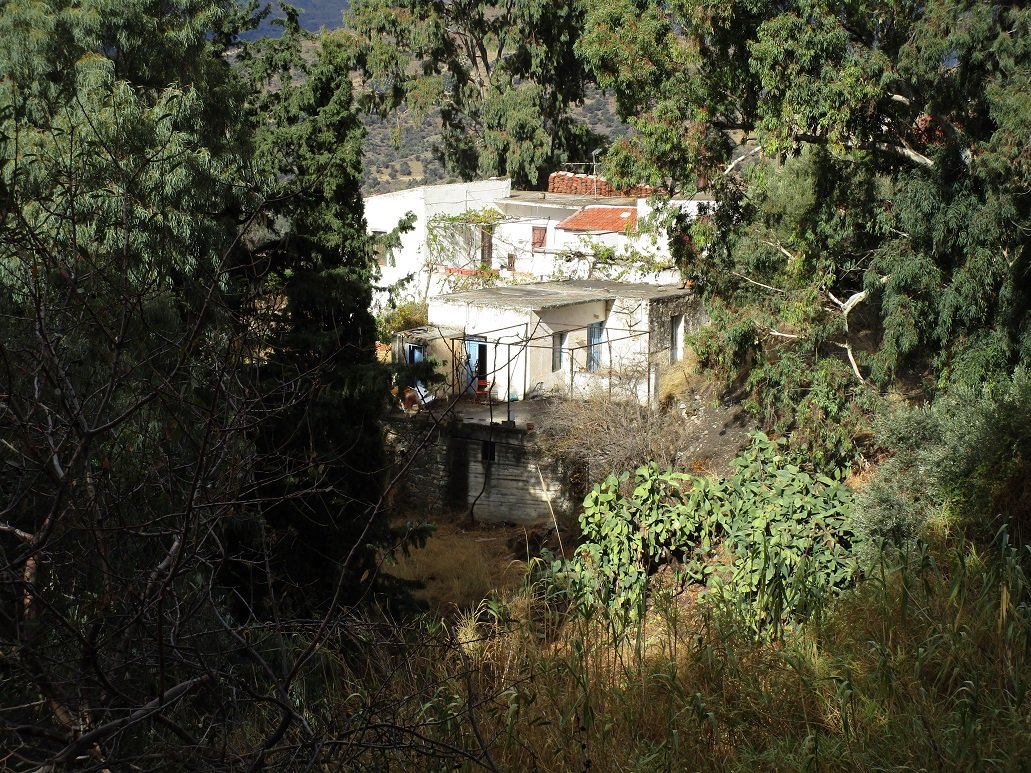


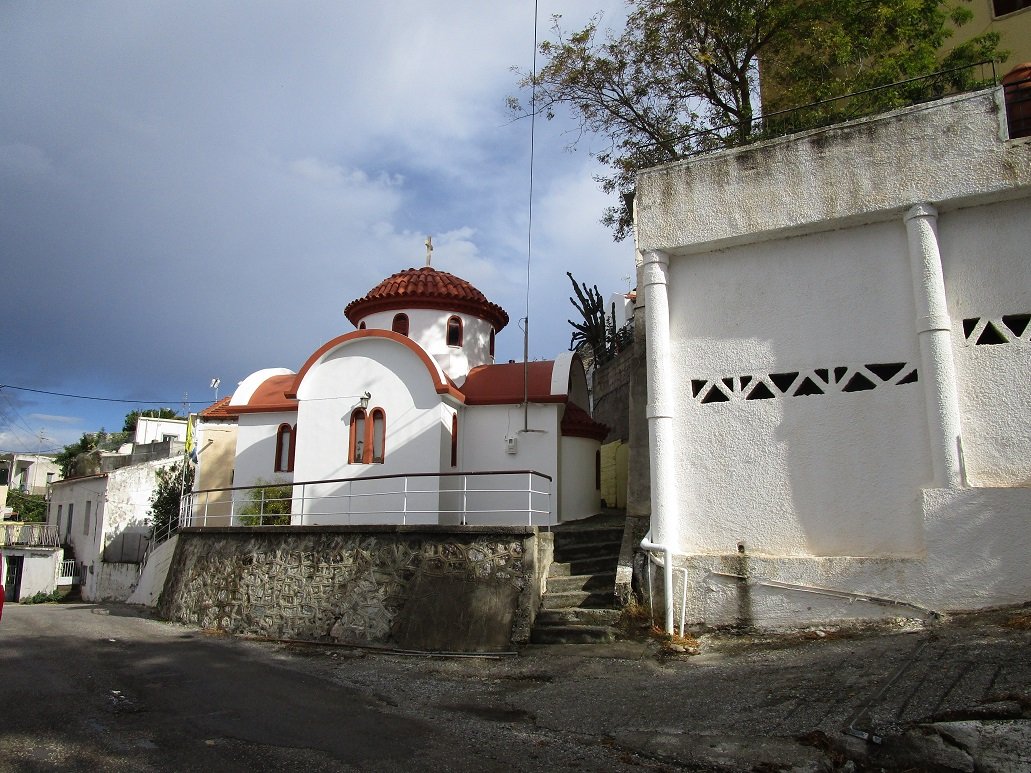
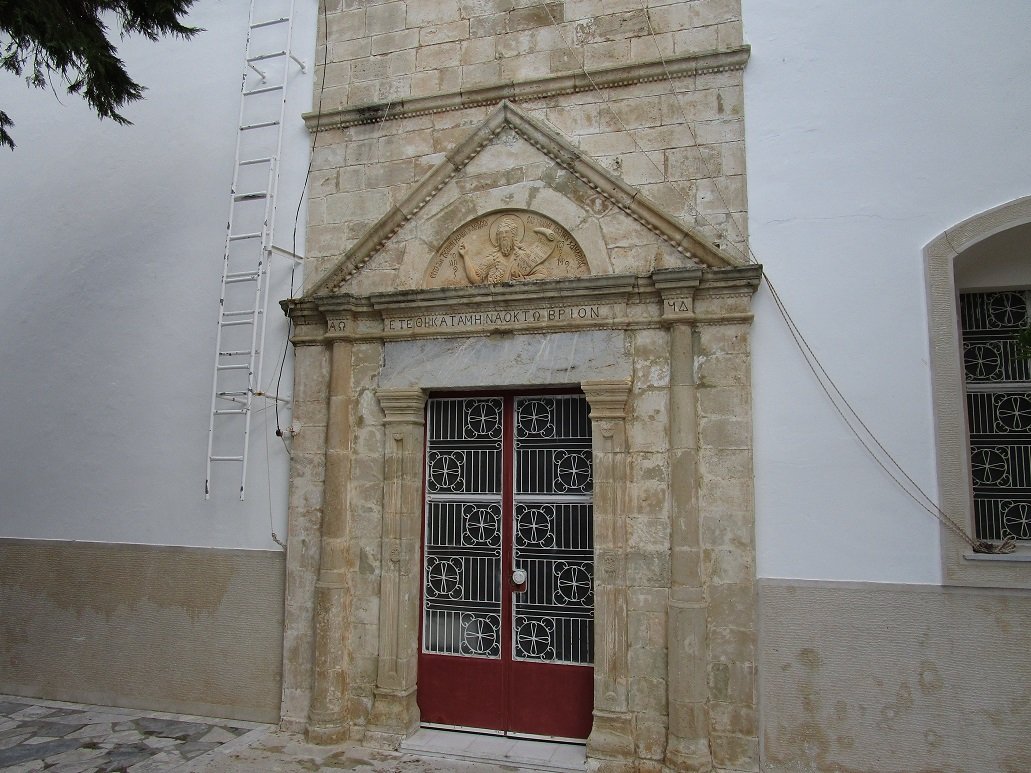
 Apodoulou is a small mountain village just north of the seaside resort of Agia Galini. It can be reached from the exit on the route from Timbaki to Agia Galini. The village is situated at an altitude of 450 meters. On the way to Apodoulou you will encounter a beautiful (but fairly new) church along the side of the road. From here you have a beautiful view of the landscape, the sea and the Paximadia islets that lie in front of the coast. In the village of Apodoulou itself there are also two churches. One of them is quite new and in the shape of a cross with a dome in the middle. A little further down the road is the larger village church, which has an old fa�ade with a bell tower. There are a number of large pine trees on the square in front of the church.
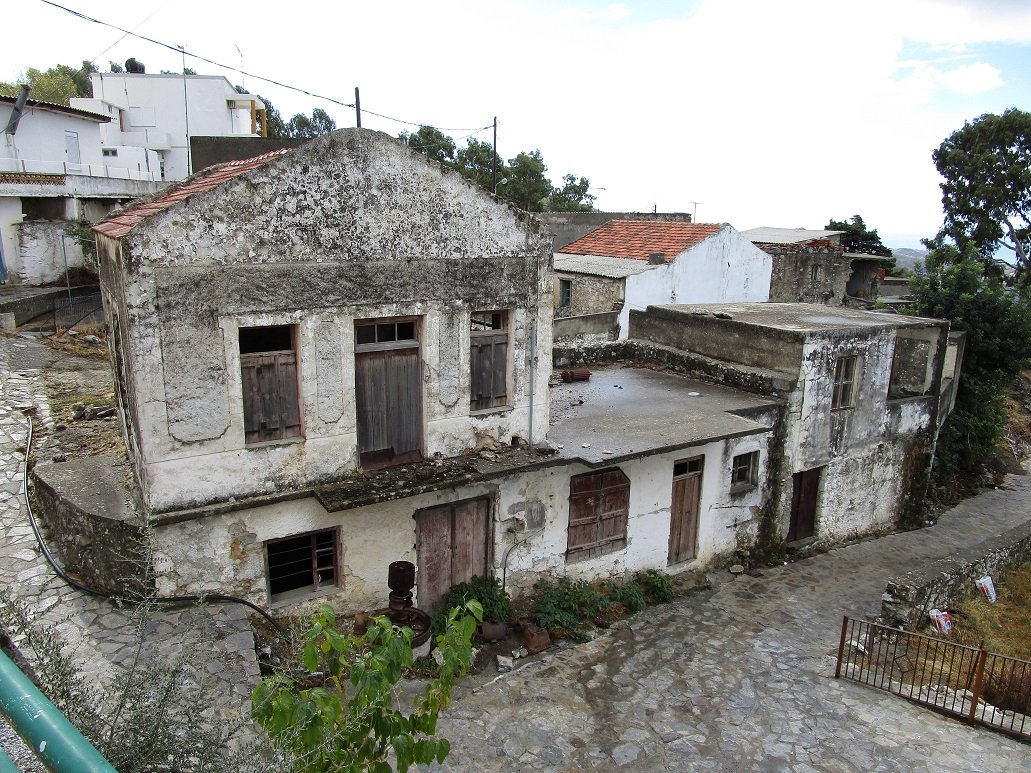

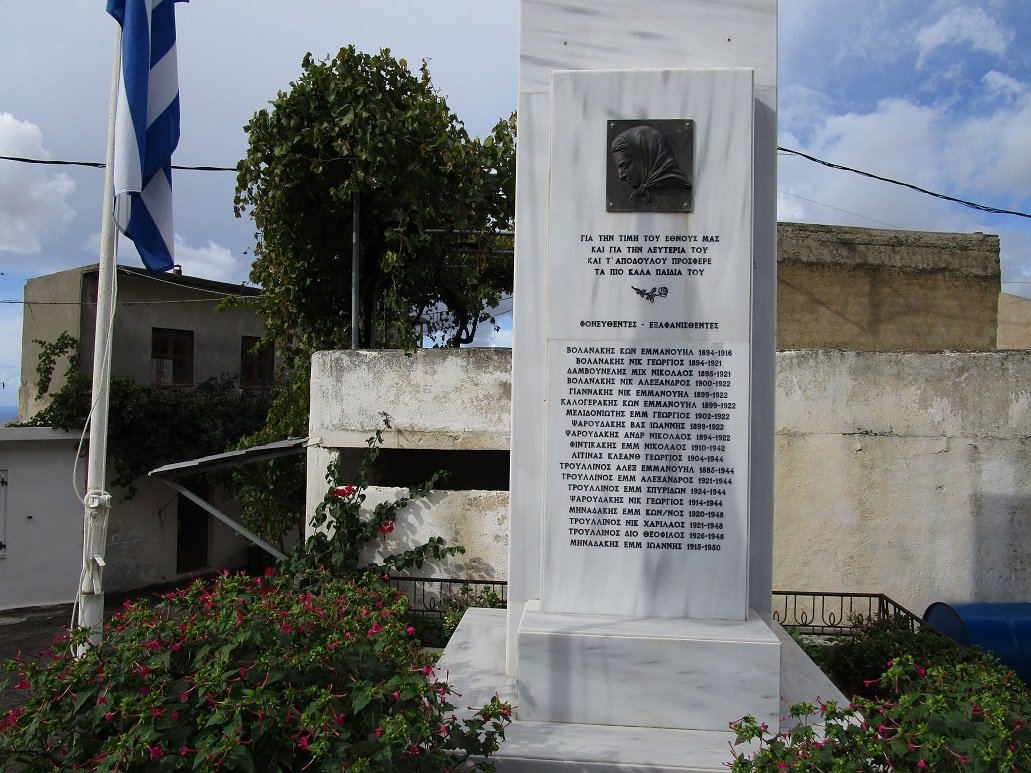

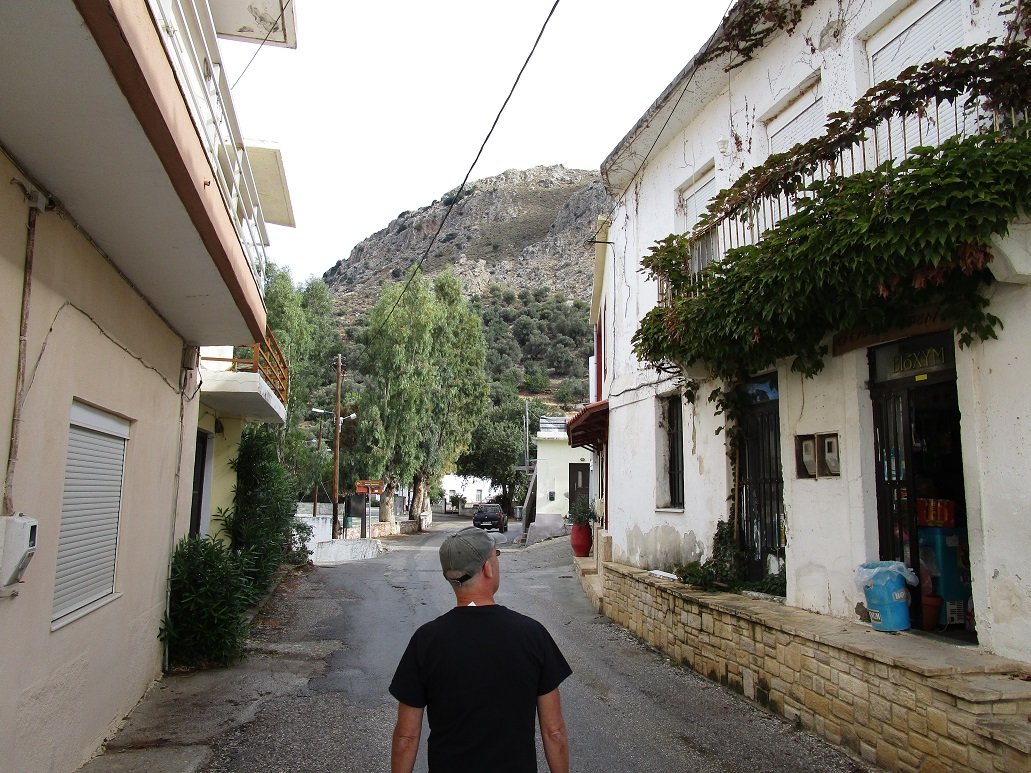
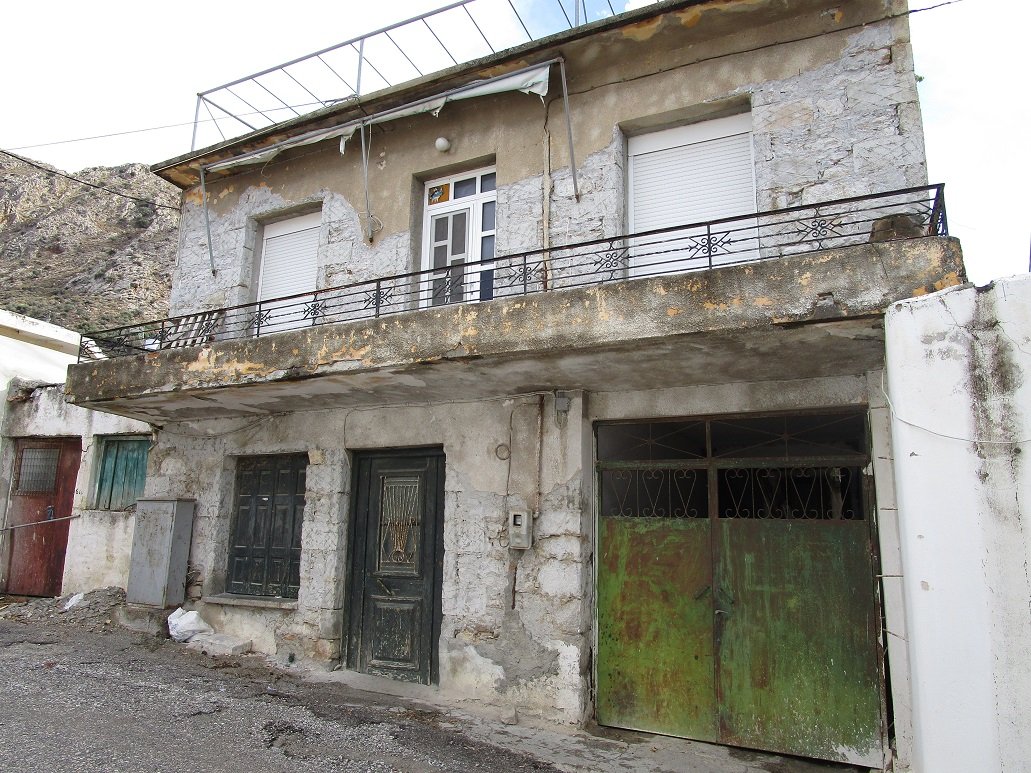
Apodoulou is situated in a beautiful green nature area, with many tall plane trees, olive trees and fruit trees. Many of the houses are abandoned and have fallen apart. There is a kafenion, a small supermarket and a war memorial to commemorate the victims of the First and Second World War. In the village a sign points to a Minoan villa which is located near the village (situated on the northwest side). Among other things inscriptions were found in the Minoan language and a small golden axe. 400 Meters north of the village a Minoan tomb was found with four sarcophagus. These are now exhibited in the Archaeological Museum of Rethimnon. There is also a mansion in the village itself, which is named the Frankish konak. It was built by Lord John Hane after he visited the place in 1829. It was later used by the Turks as a fortification.