<
<Selinari and the Monastery of Selinari in Crete
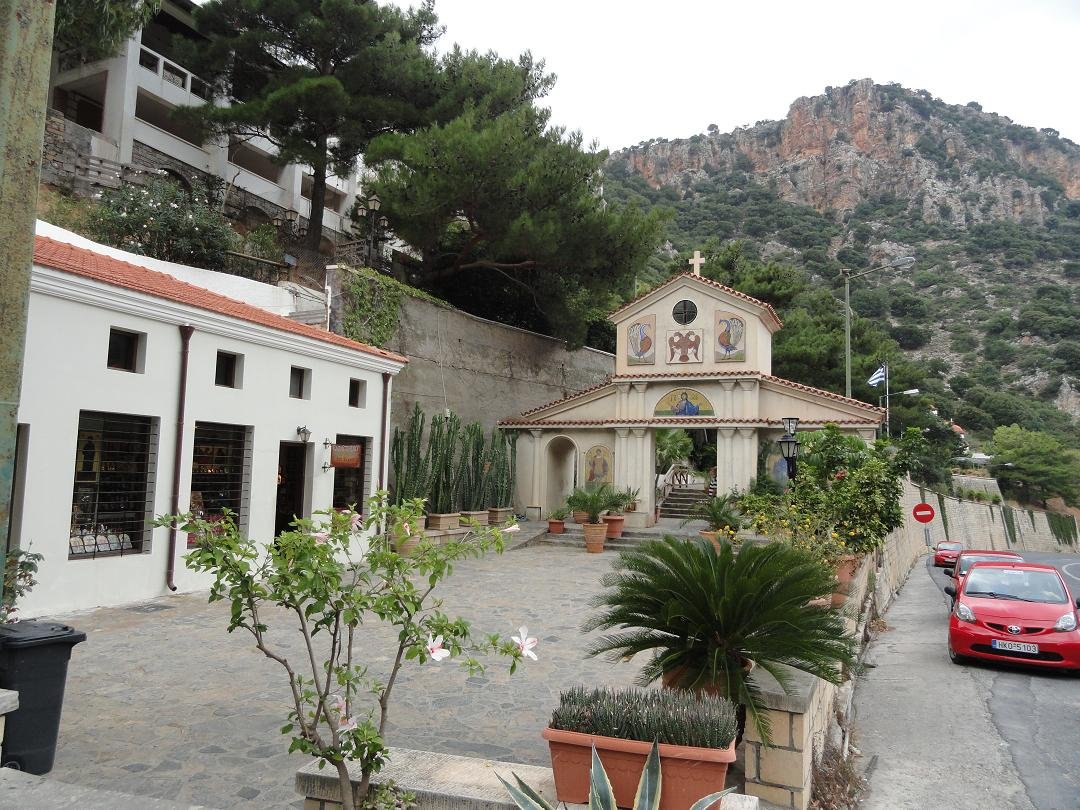


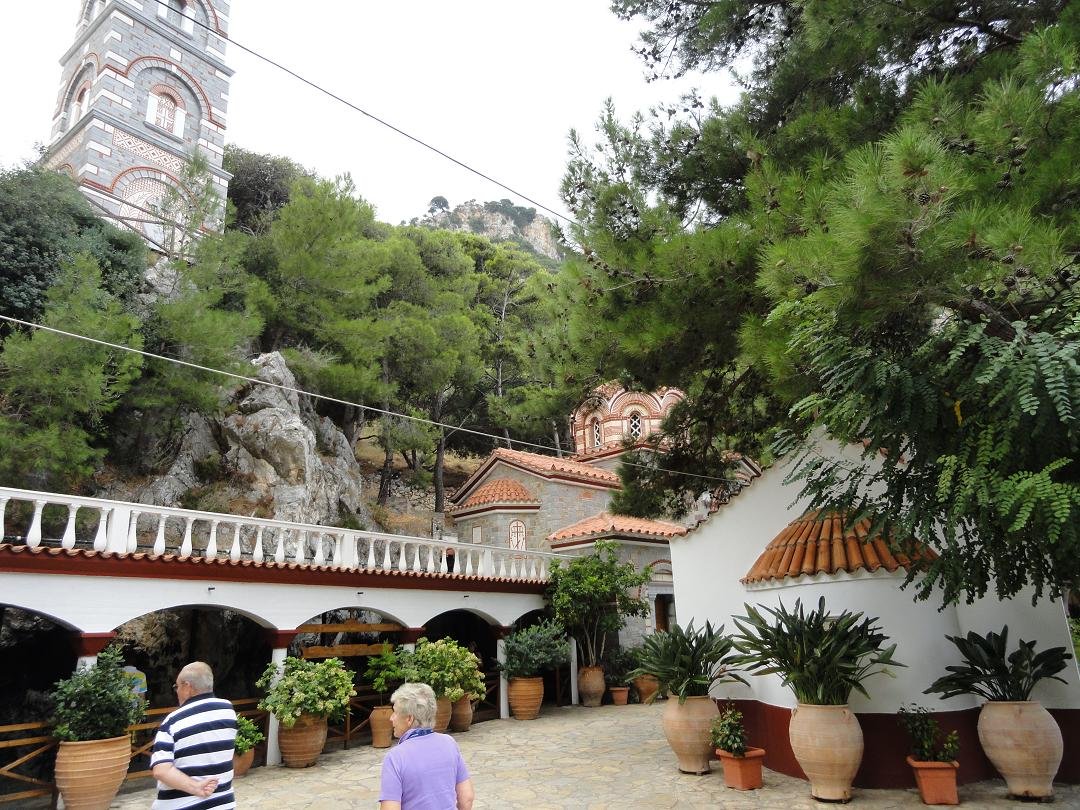
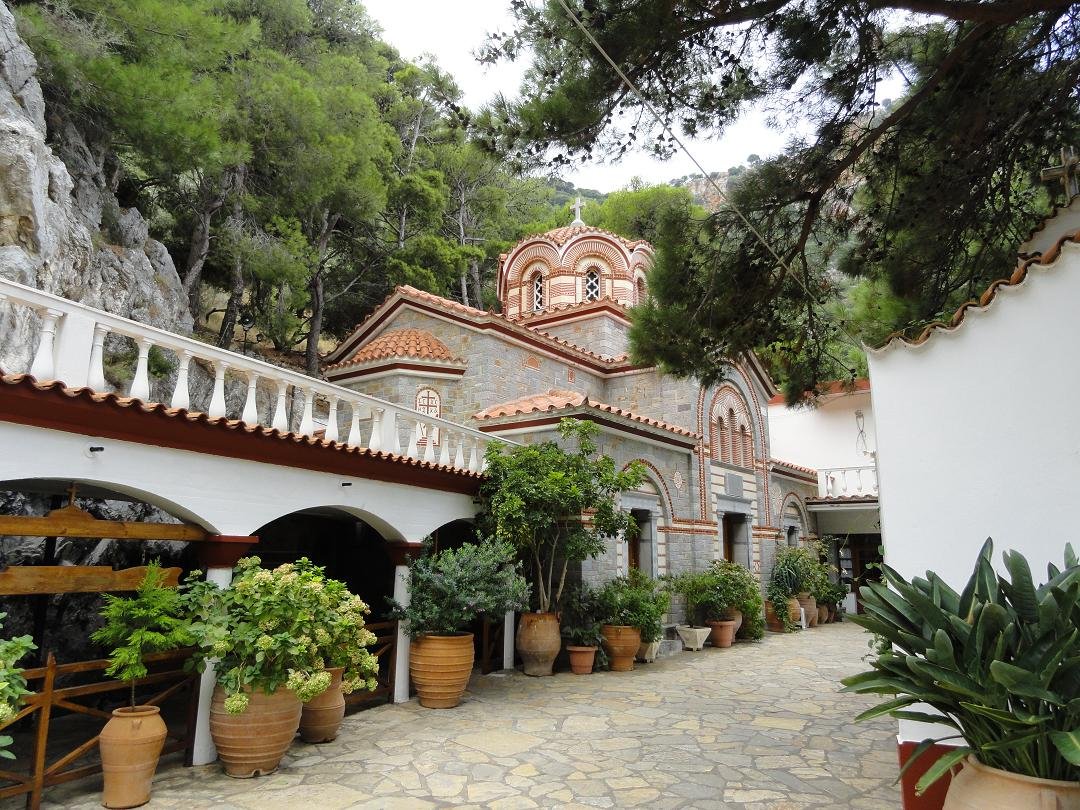

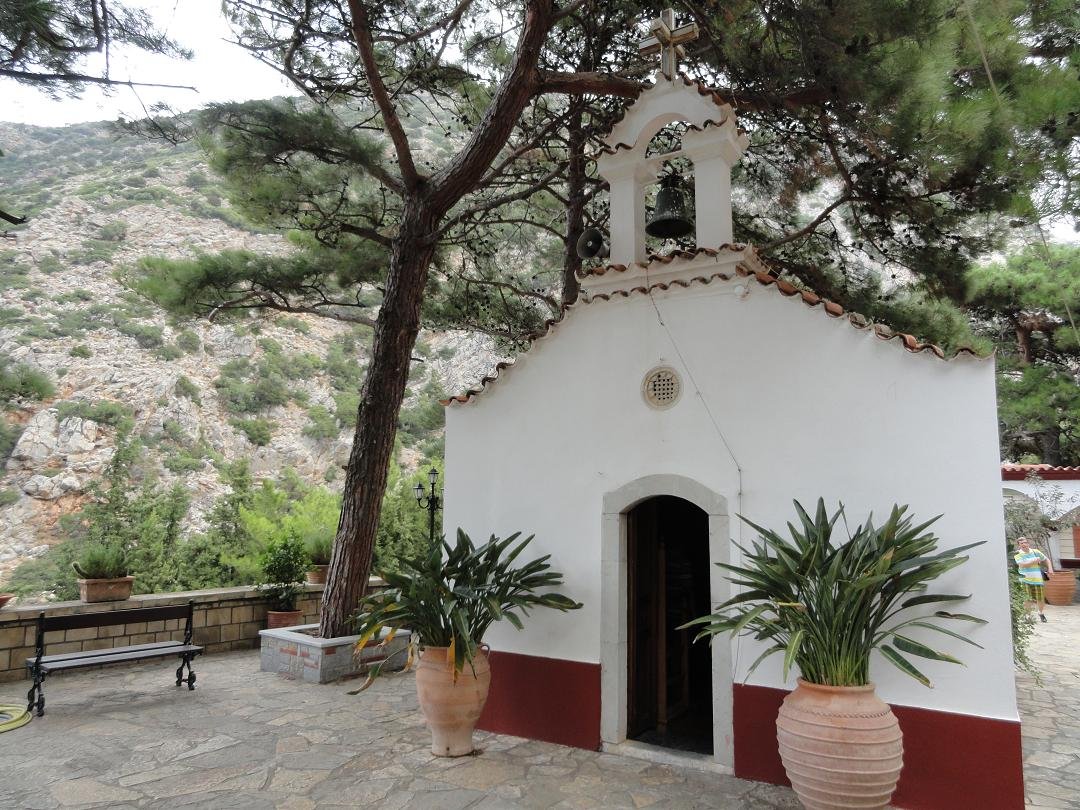

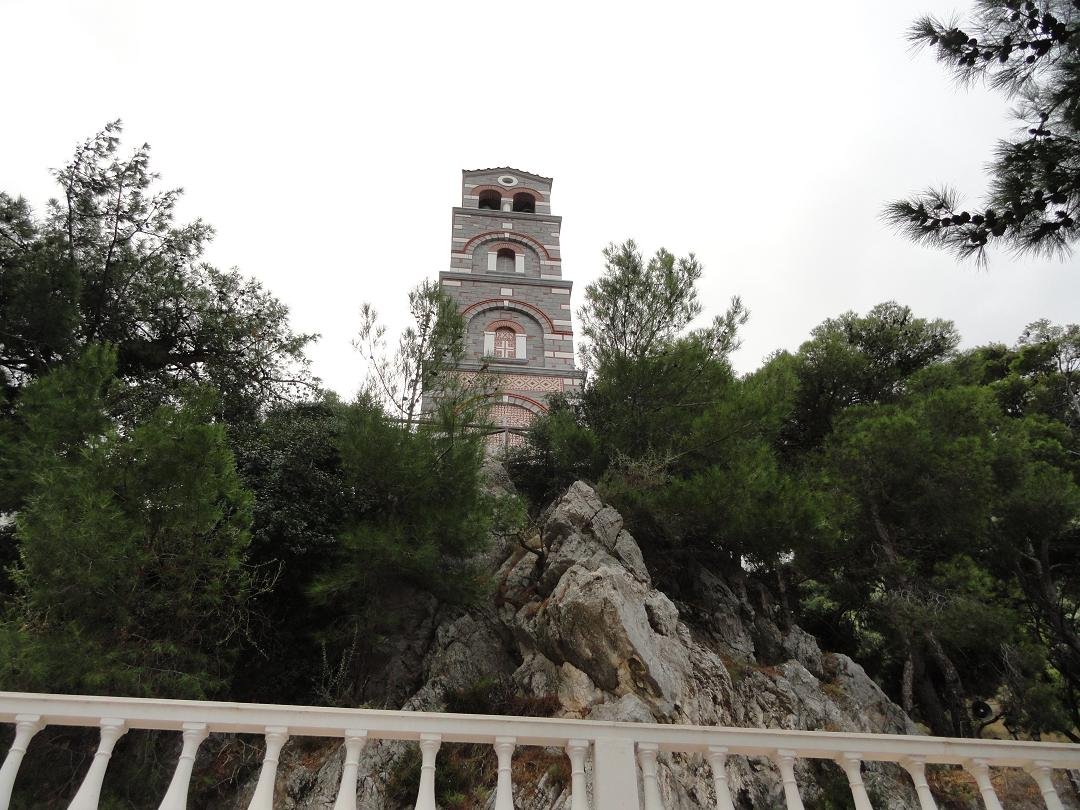
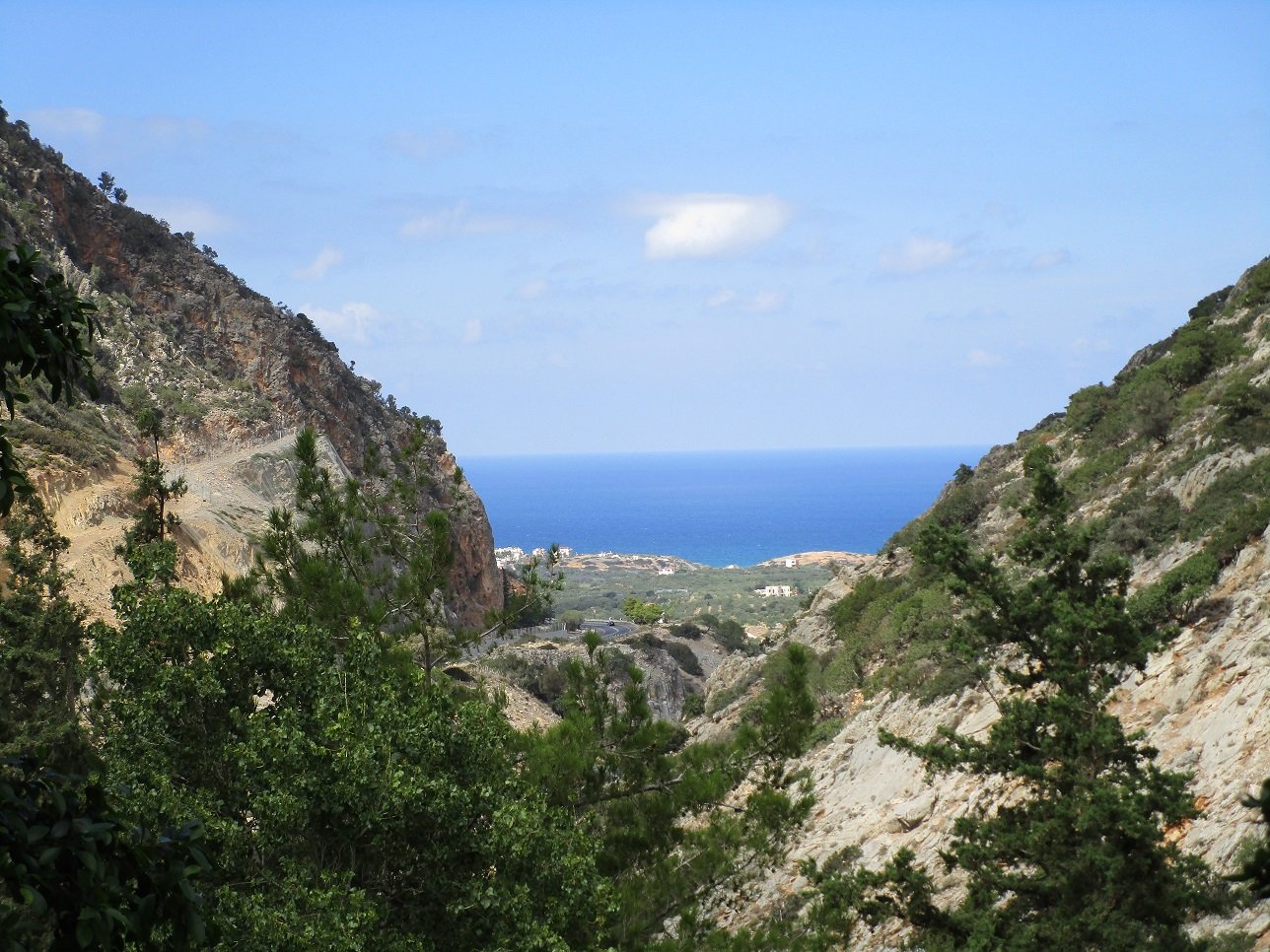
 On the national road between Malia and Neapolis, near the beautiful village of Vrahasi there is the imposing gorge of Selinari. It is situated in the Lassithi district and the distance to the capital Heraklion is about 45 kilometers. Agios Nikolaos is situated 21 kilometer east of the Selinari gorge.
The gorge is shaped by the 625 meter high Anavlohos mountain on the north and the 820 meter high Fonias o Detis mountain in the south.
In the past it was a place where many Cretan wild goats (also known as Kri-kri) were living.
On the national road between Malia and Neapolis, near the beautiful village of Vrahasi there is the imposing gorge of Selinari. It is situated in the Lassithi district and the distance to the capital Heraklion is about 45 kilometers. Agios Nikolaos is situated 21 kilometer east of the Selinari gorge.
The gorge is shaped by the 625 meter high Anavlohos mountain on the north and the 820 meter high Fonias o Detis mountain in the south.
In the past it was a place where many Cretan wild goats (also known as Kri-kri) were living.


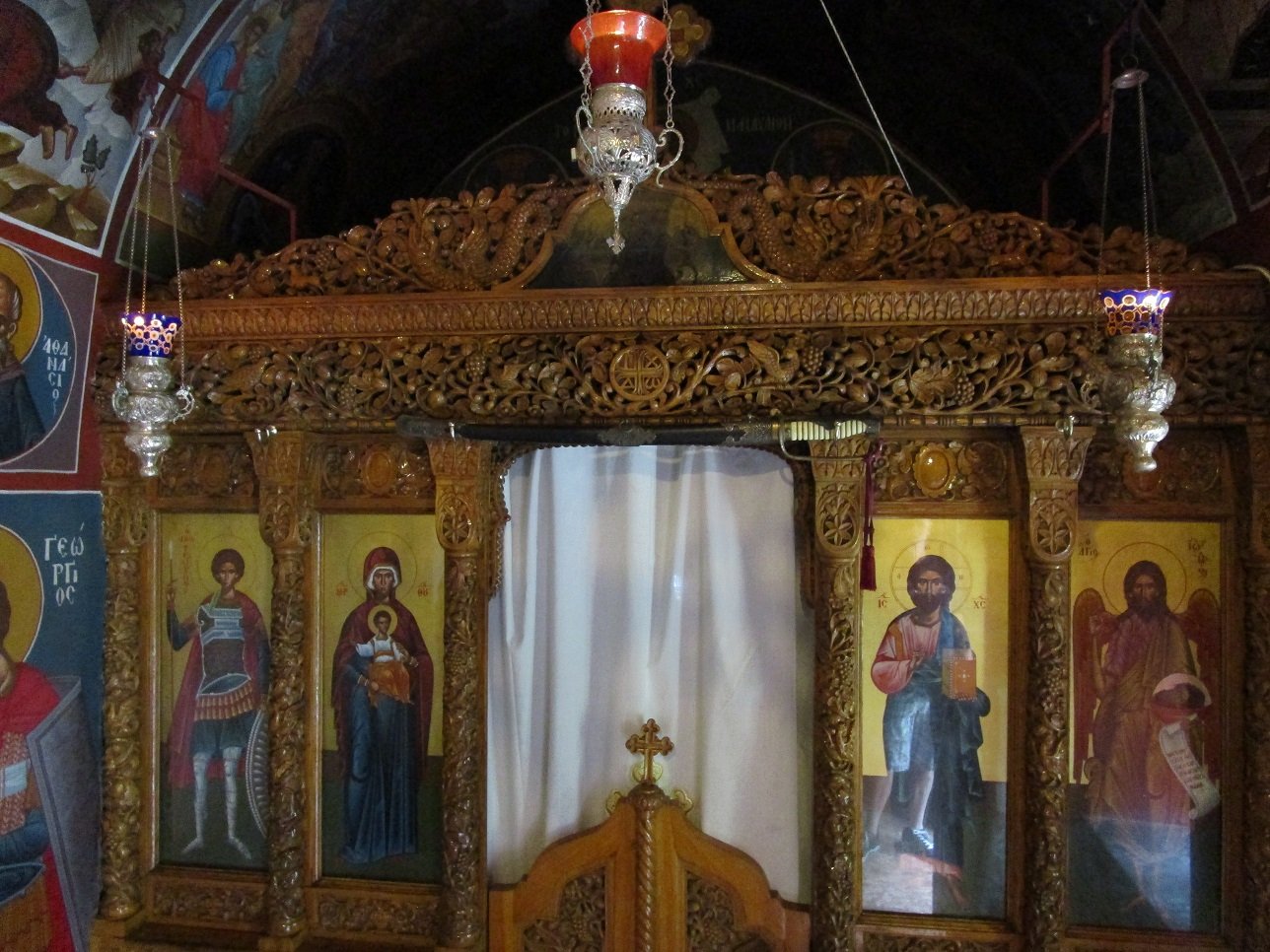
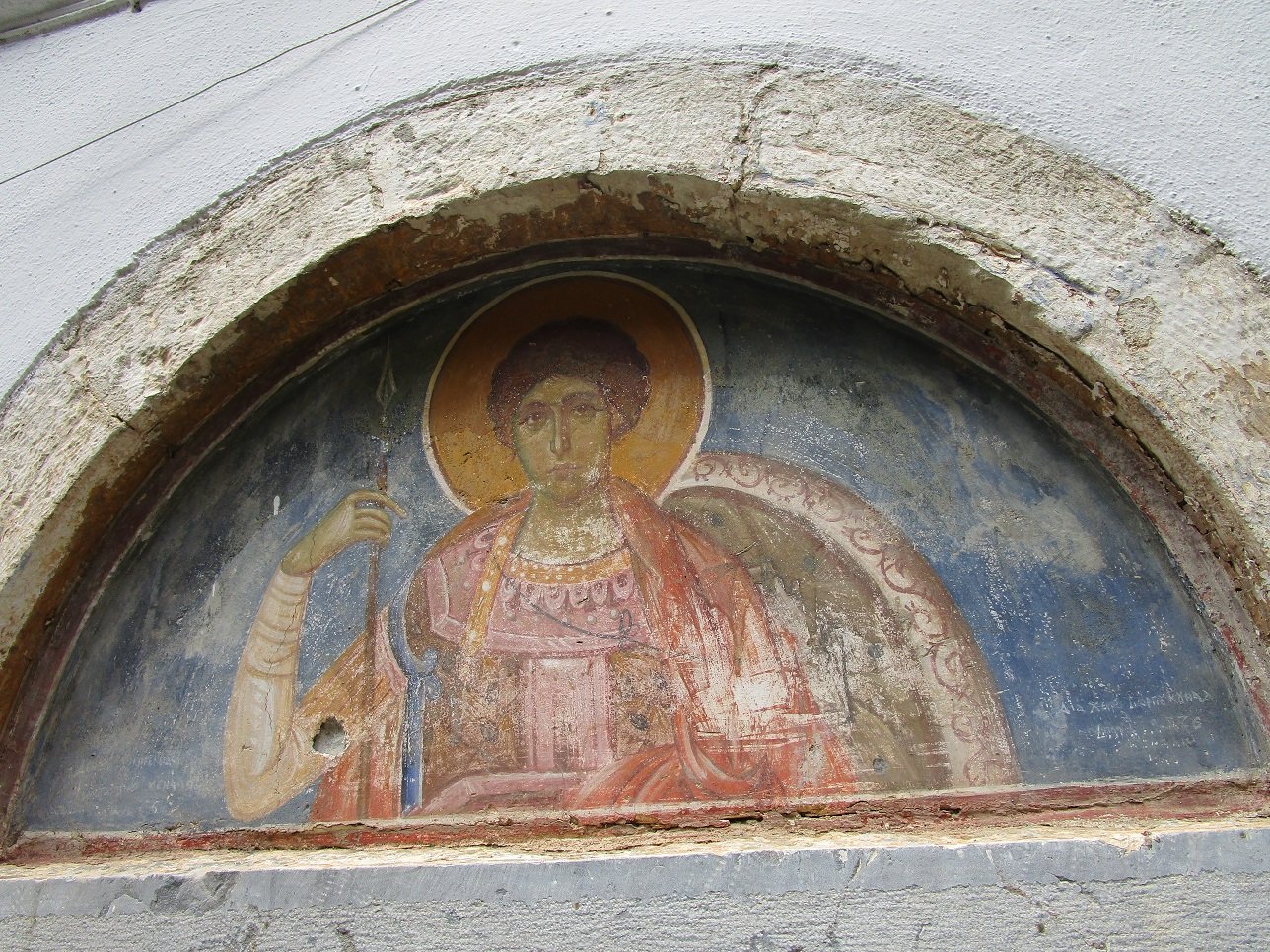

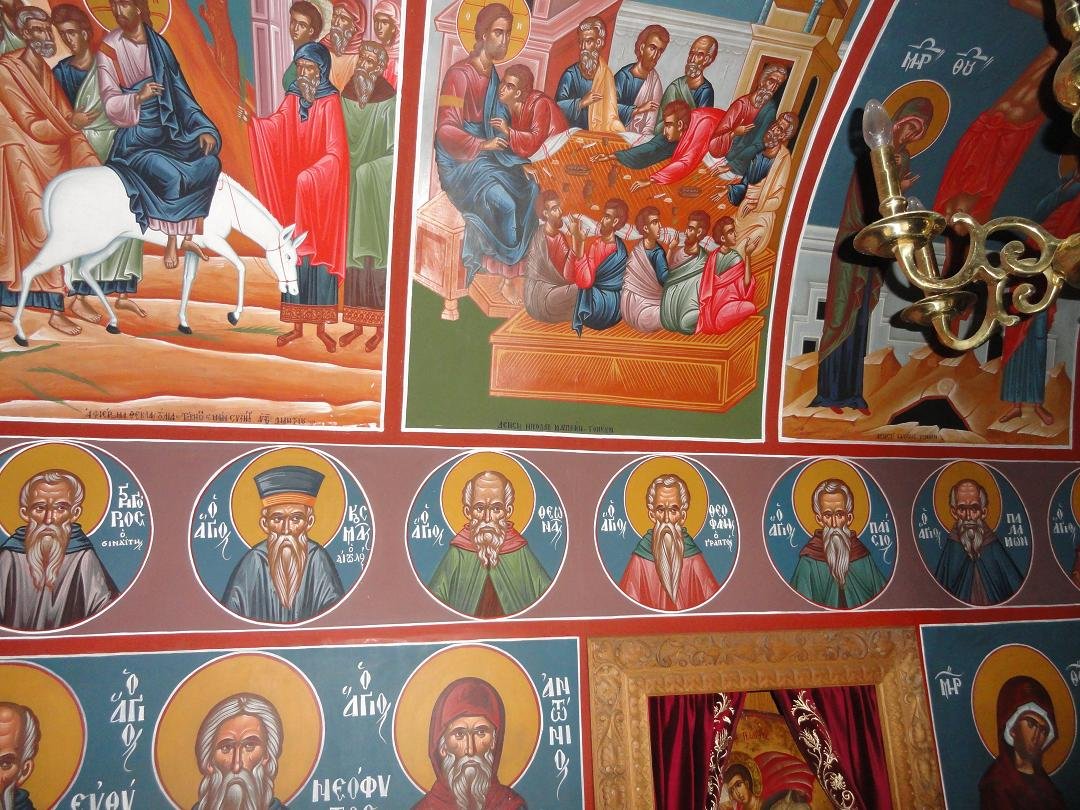
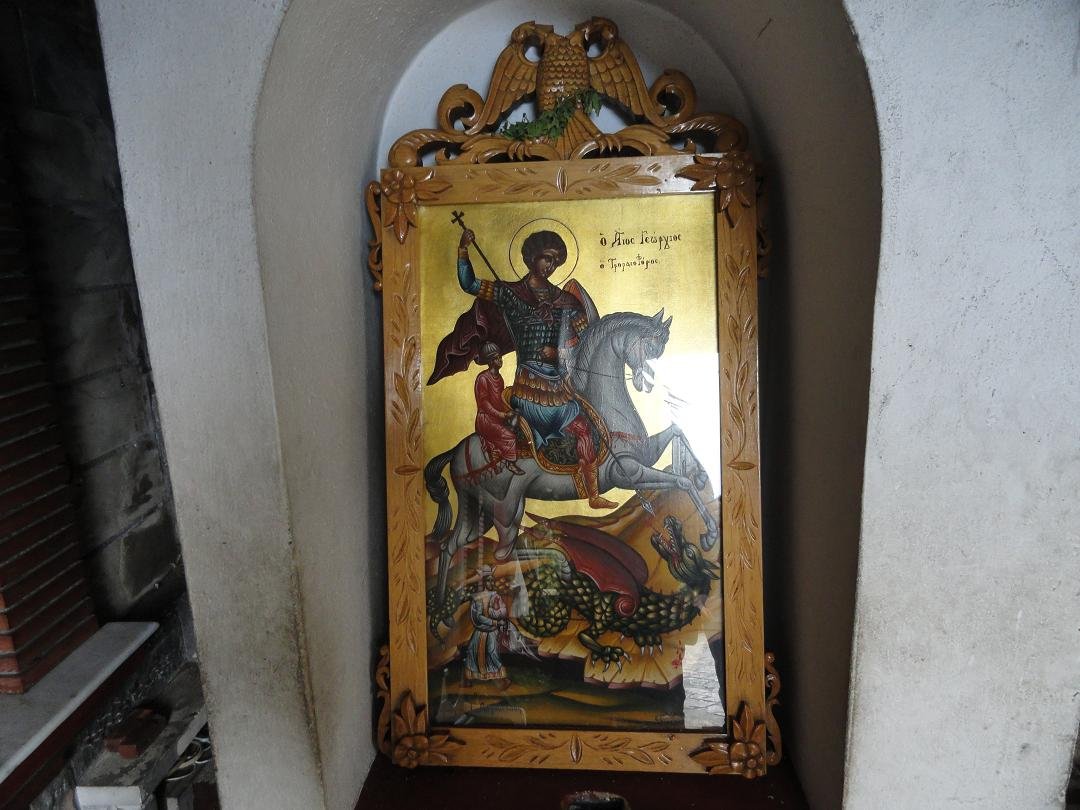
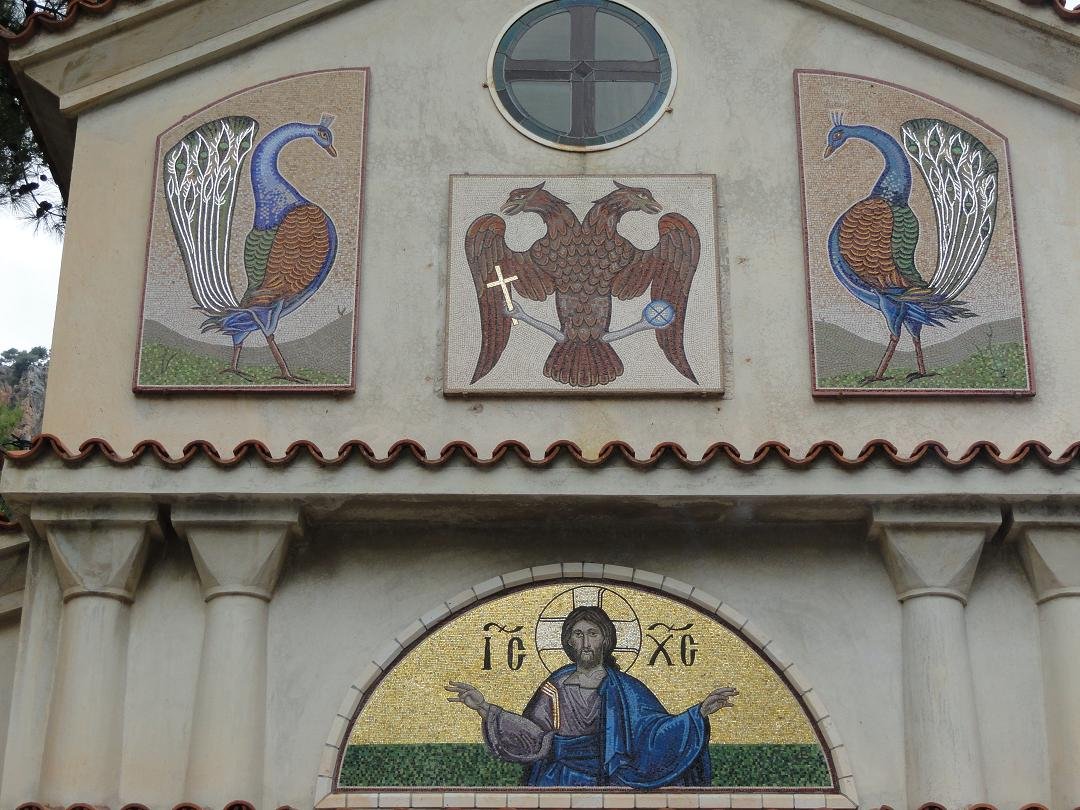
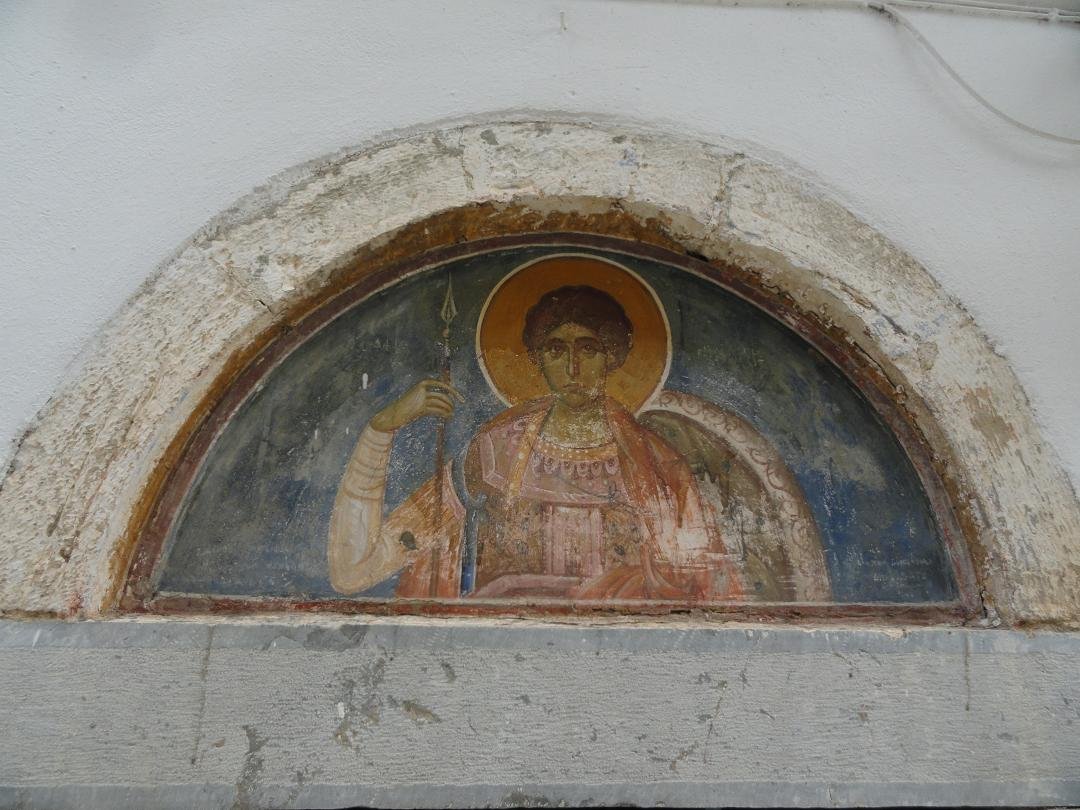
At the side of the gorge is the small old chapel and the newly founded monastery of Agios Georgios Selinaris. In the period of the second Byzantine empire (961-1205) there was a monastery here that was destroyed in 1538 by the pirate Barbarossa. The small chapel that you can see now was probably dates from the early 16th century AD (on the ruins of a 13th century church), and ever since it is a place of worshipping. The window in the small church is dated 1319. The church contains new frescoes on the inside and outside on the fa�ade there is an older fresco of Saint George. According to tradition, the monastery was founded by a monk who fled to Crete from the island of Rhodes after that island was conquered by the Turks. He found in Selinari an icon of Agios Georgios, built the church and continued to live here. The monk is buried in a cave near the monastery.

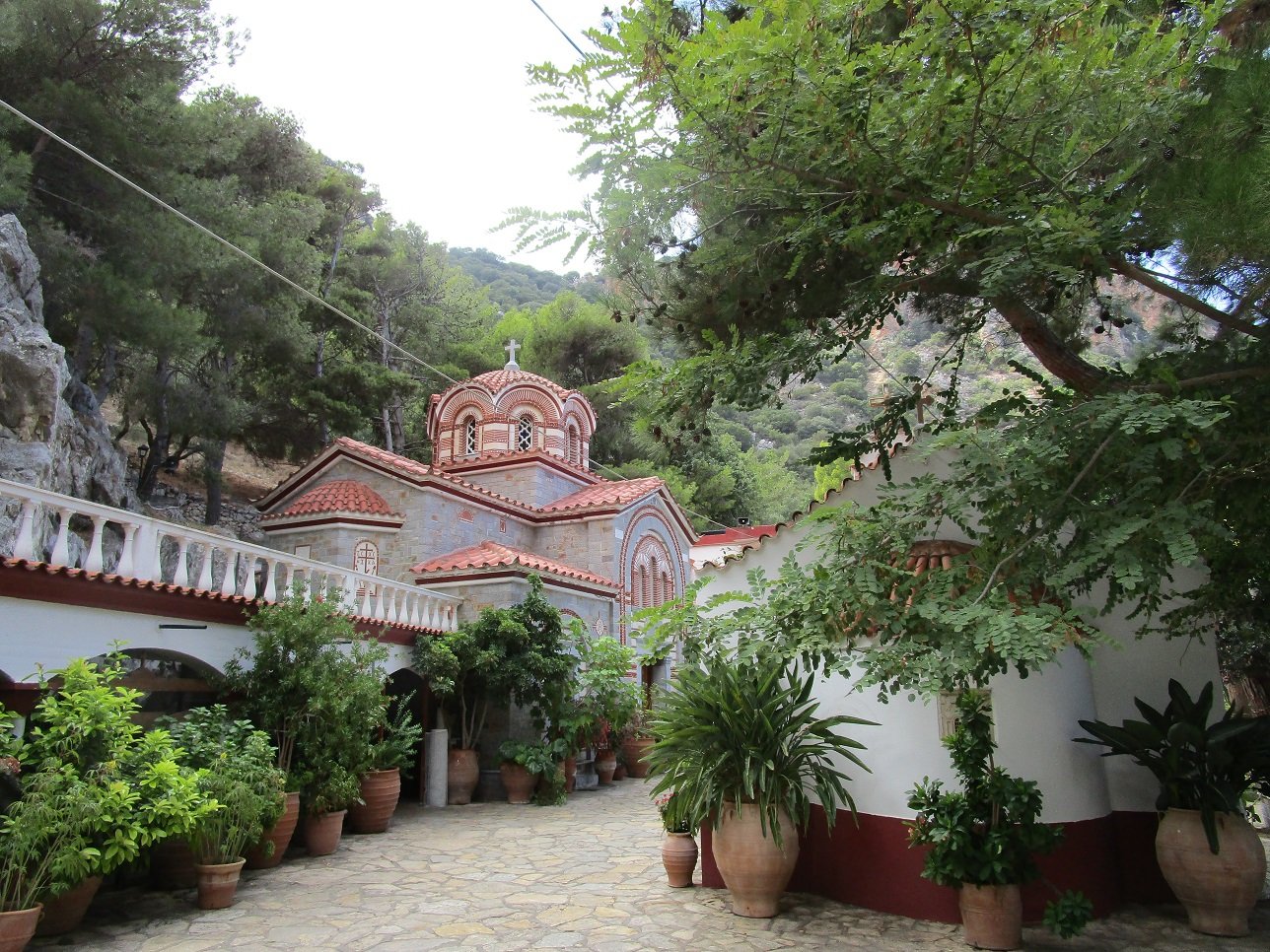
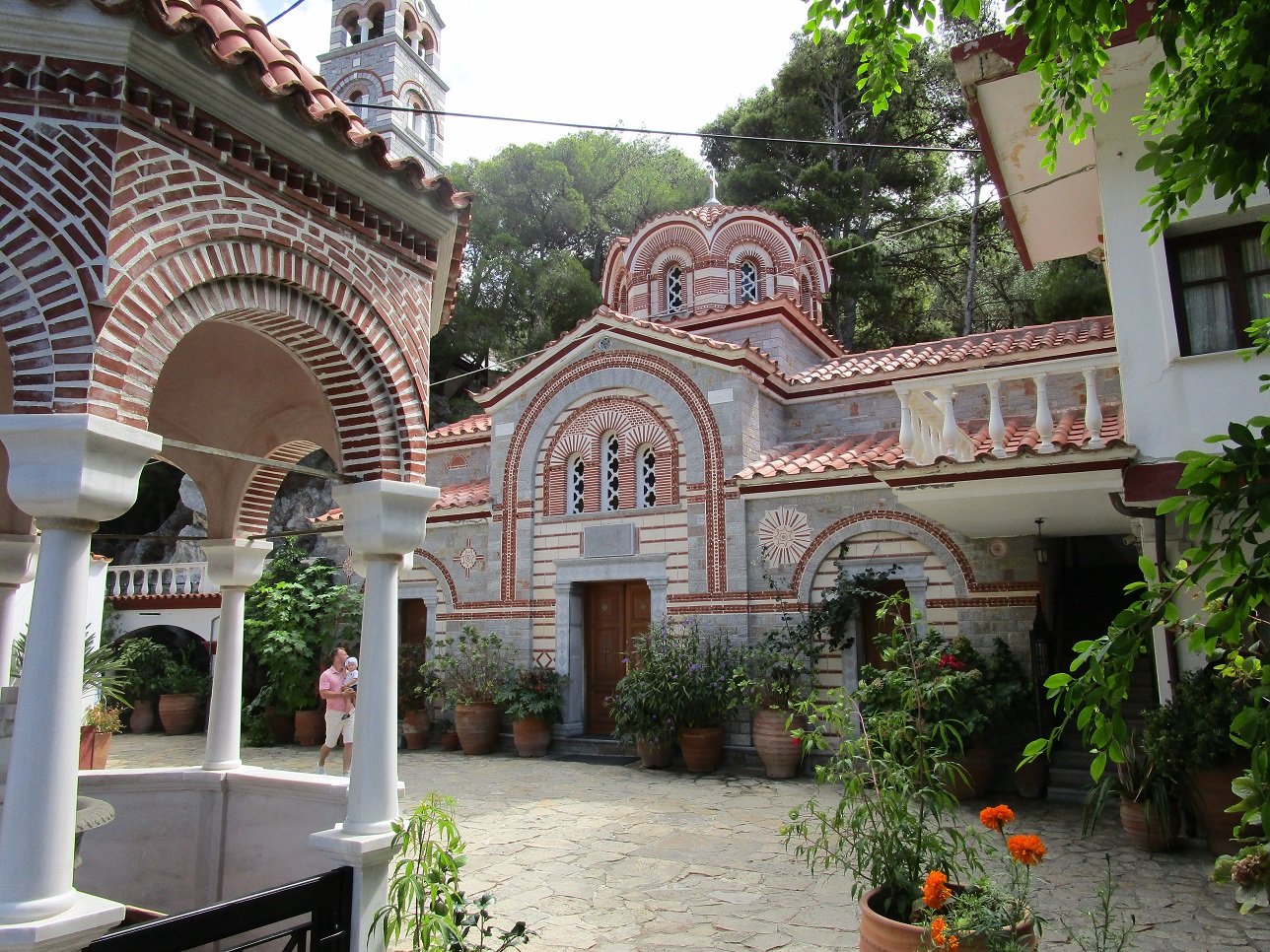


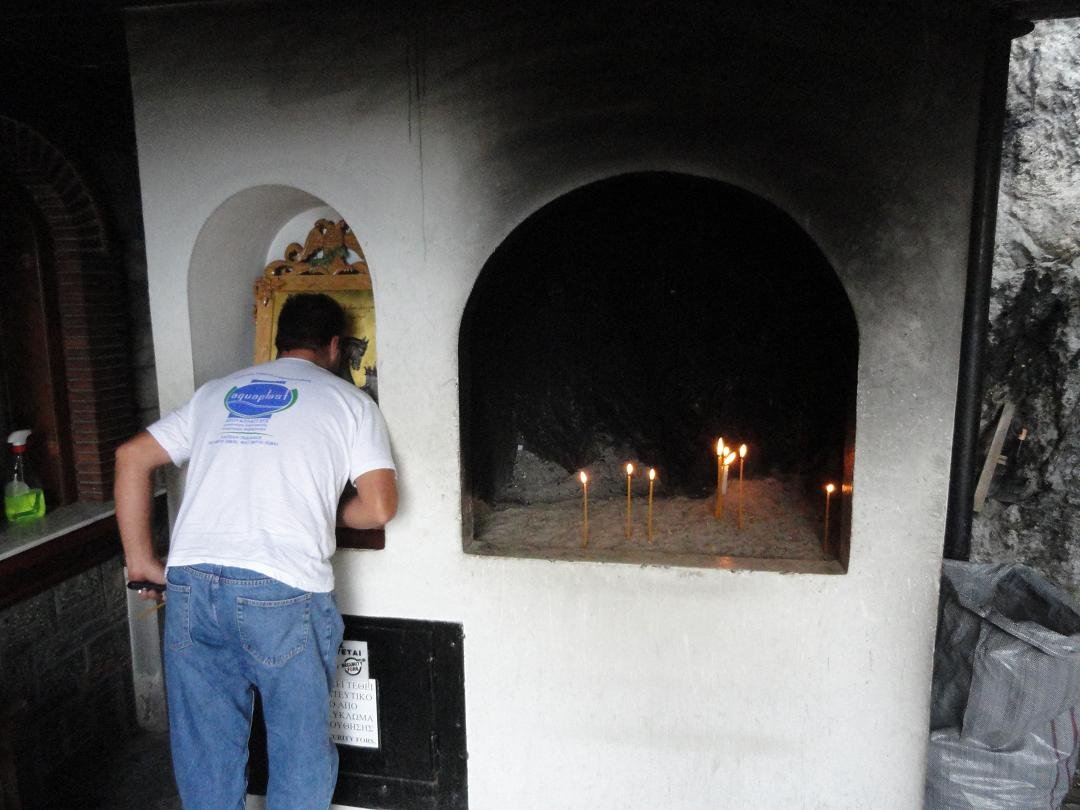
The people passing through the chapel stop to light a candle to the saint, and so did I several times. The chapel is considered miraculous. There are various legends concerning miracles related either with healing of sick people or with divine punishment of people that did not pay the respect due to the saint. On the site there are a number of other buildings dating from the 20th century, including two other churches.