


 <
<The Arkadi Monastery on the island of Crete - The national sanctuary
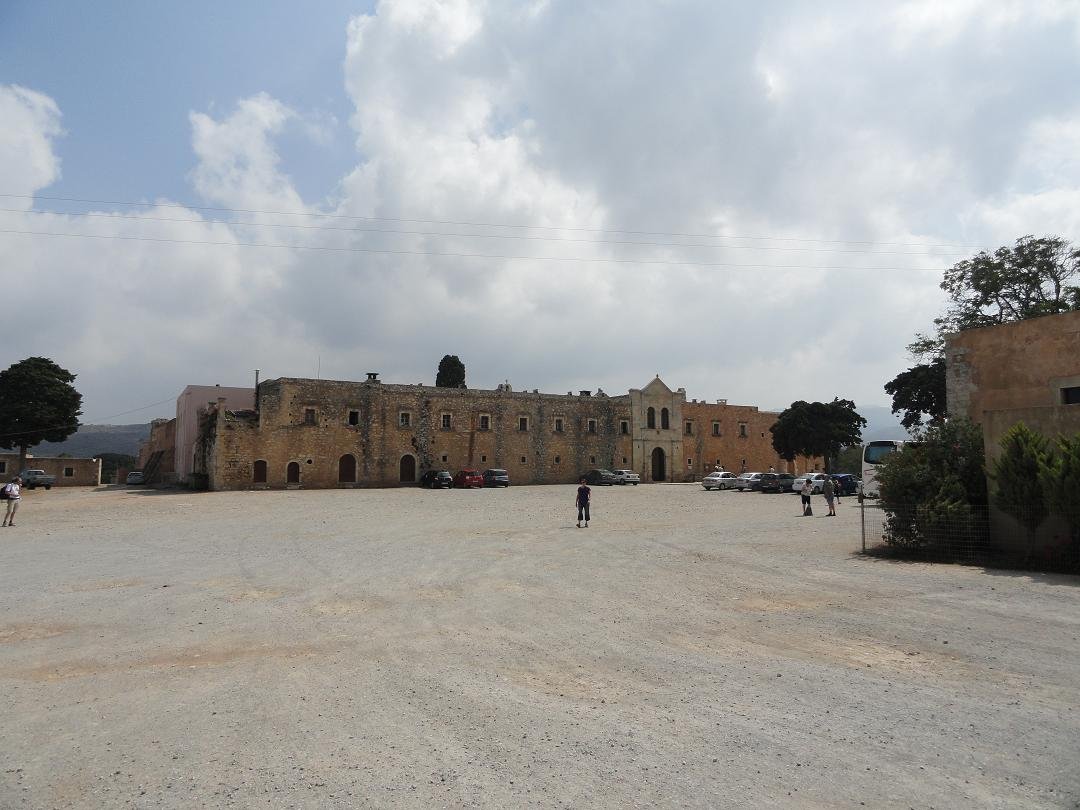


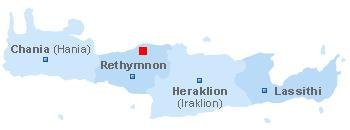 The Arkadi Monastery is located in the north of the island of Crete, about 25 km southeast of the town of Rethimnon. It is accessible from the New National Road. If you drive from Rethimnon to the east you will see the sign to the exit of the Arkadi monastery on your right had side. At the end of the exit you turn right (this is not indicated) and then follow the signs to the Arkadi Monastery. The ride goes through a beautiful green and hilly landscape and you will drive through the village of Kiriana, where it is worthwhile to make a stop because there is a beautiful Byzantine church.
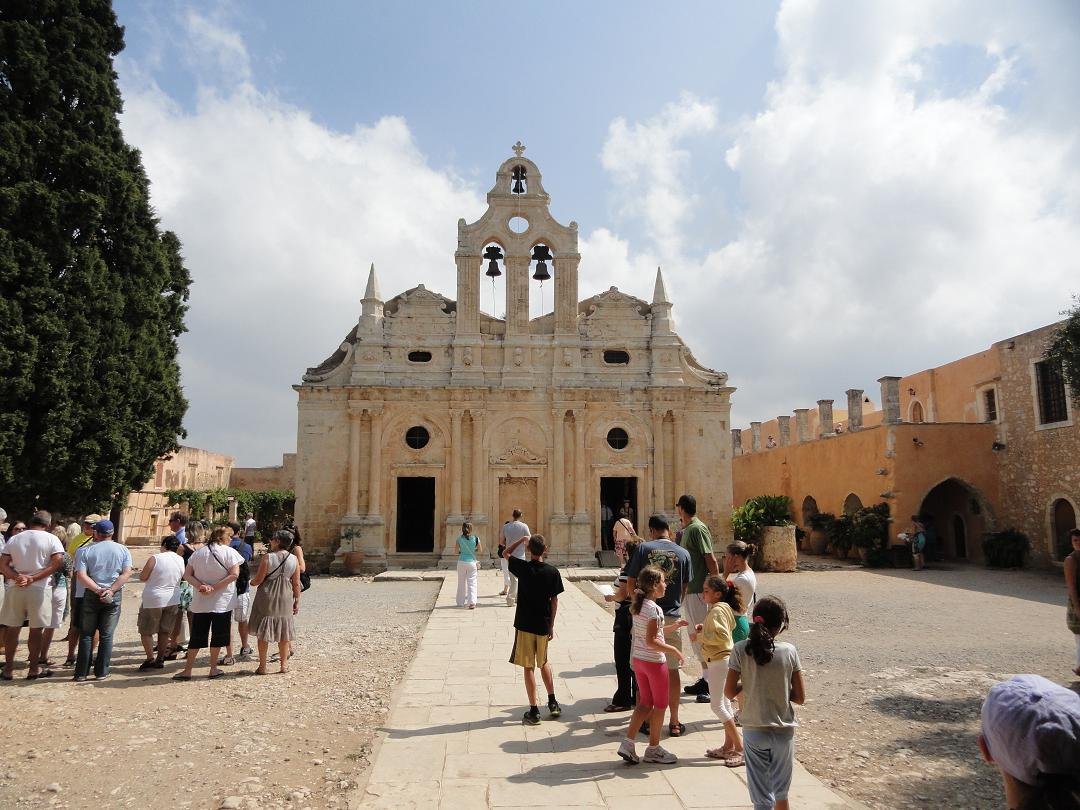
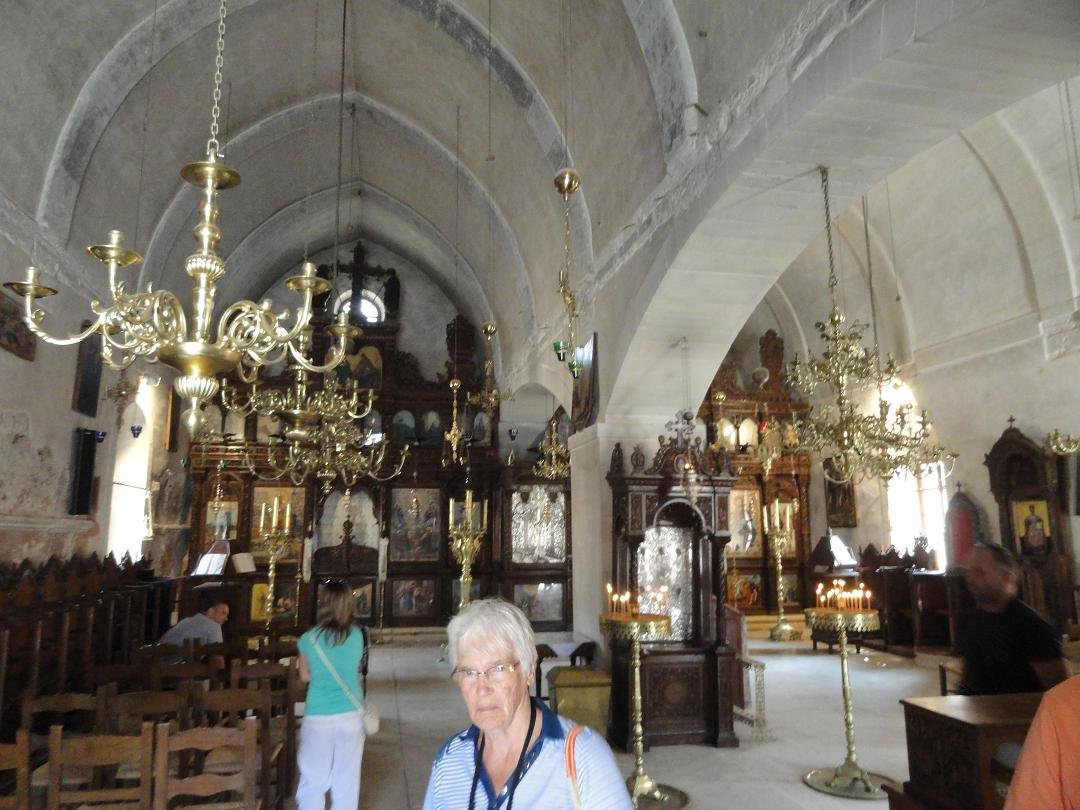
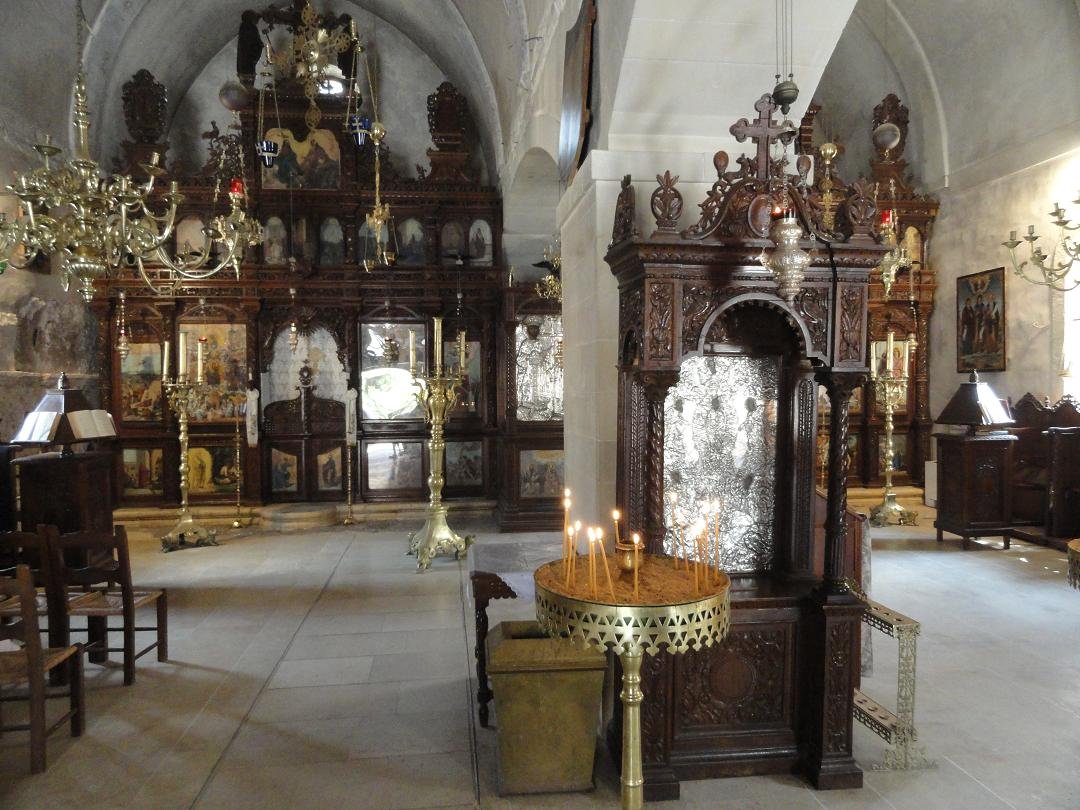
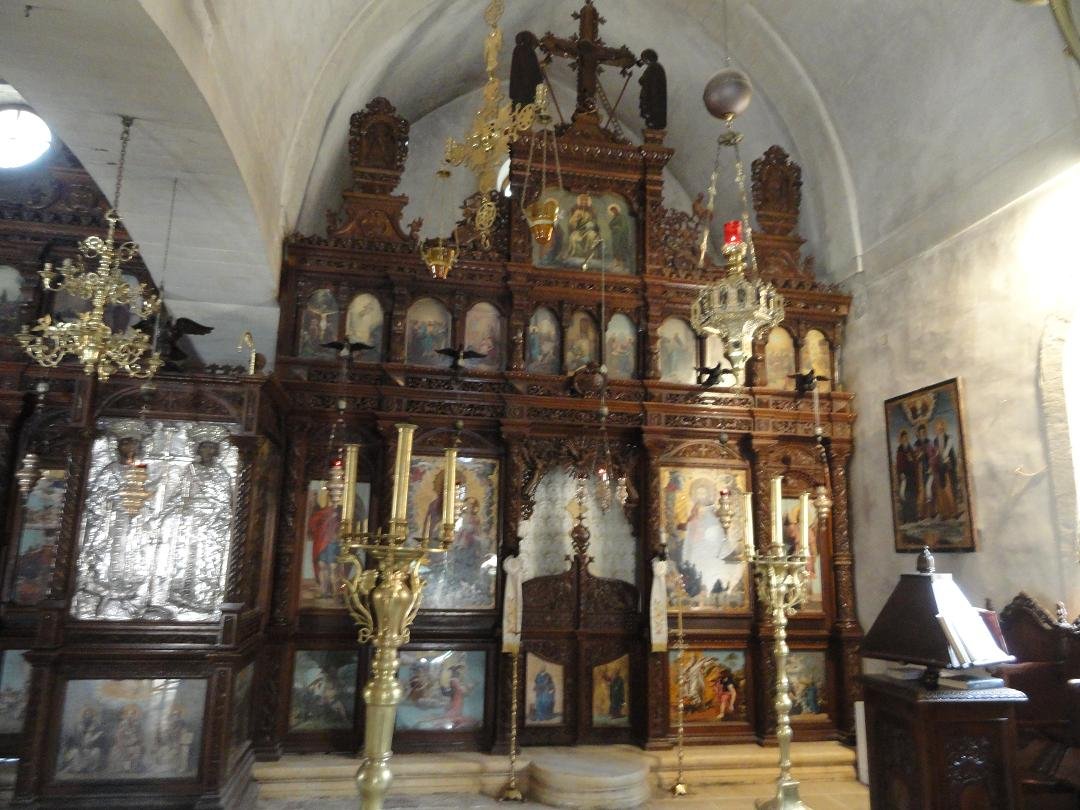
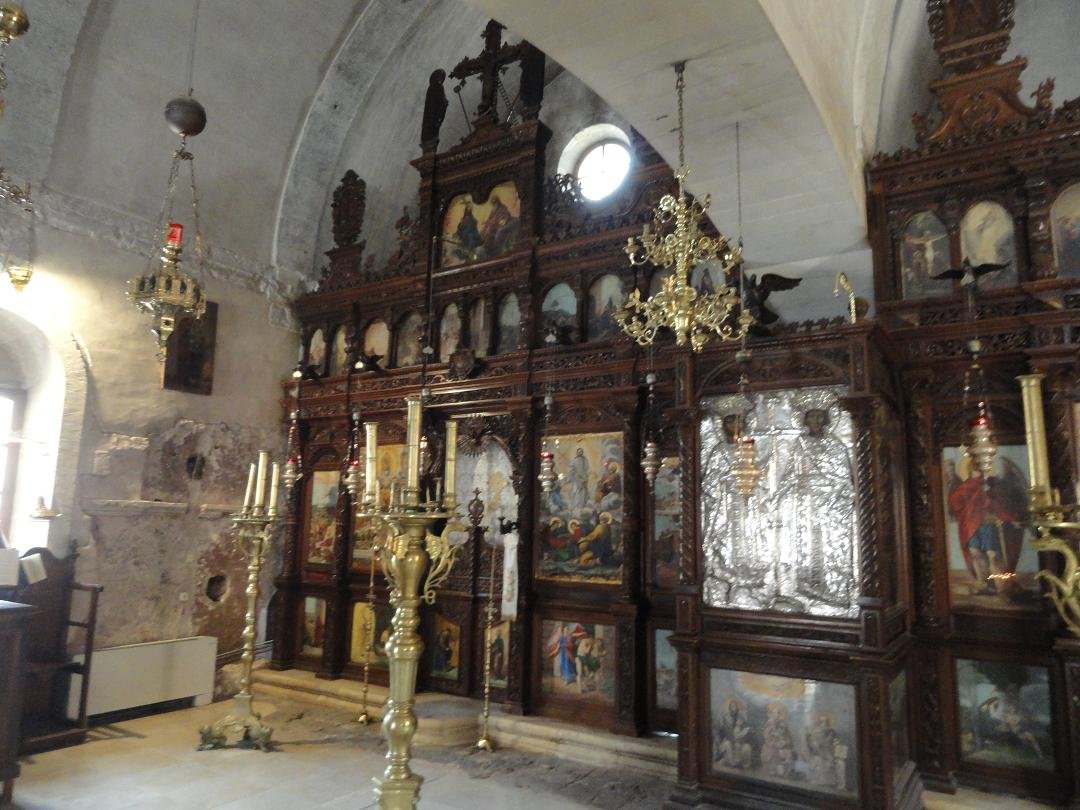
The Arkadi Monastery was built in the shape of a fortress during the late Venetian period and dates from the 16th century. Its history goes back even further, to the Byzantine period, when a monk (probably with the name of Arkadios) founded the monastery. The monastery was named after him. The large church as it stands now was built in 1587 and it is built on the remains of a 13th century Byzantine church.
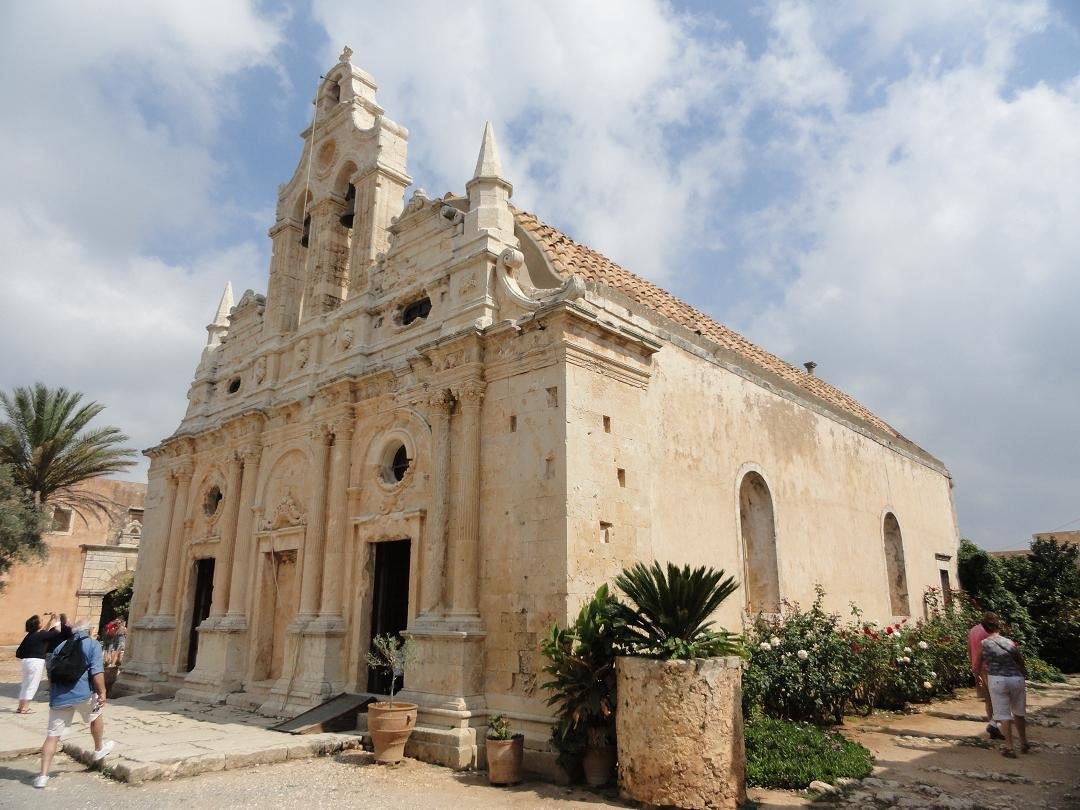
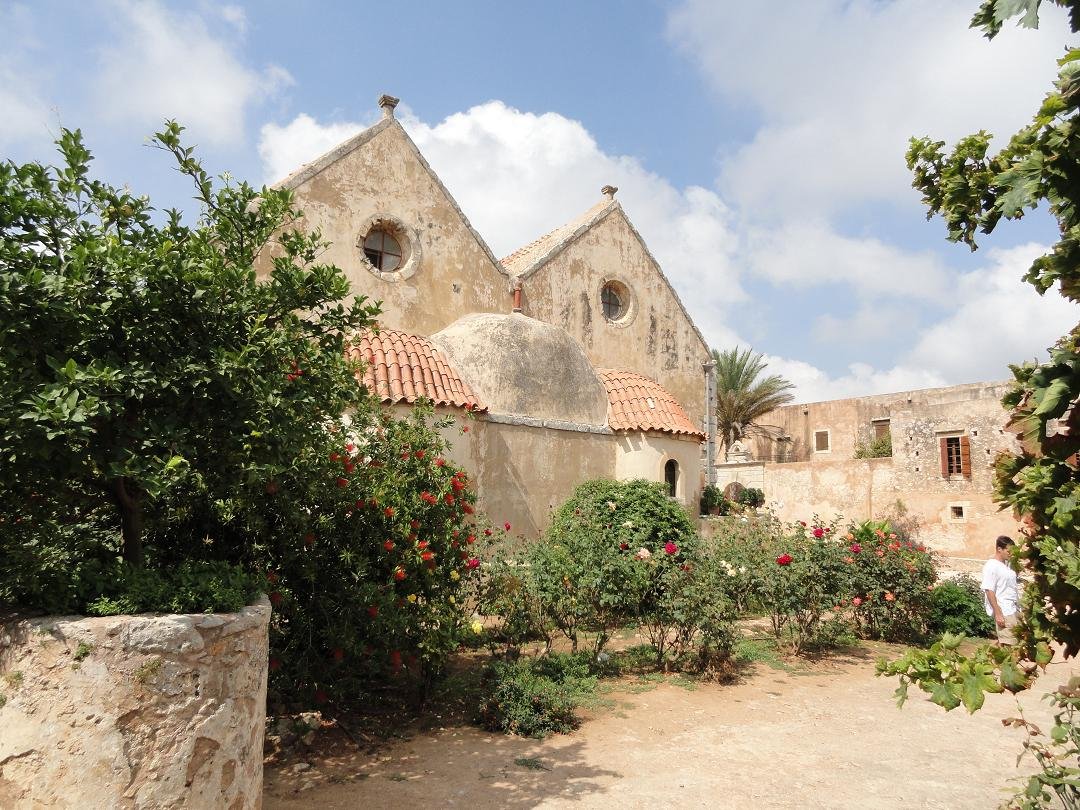
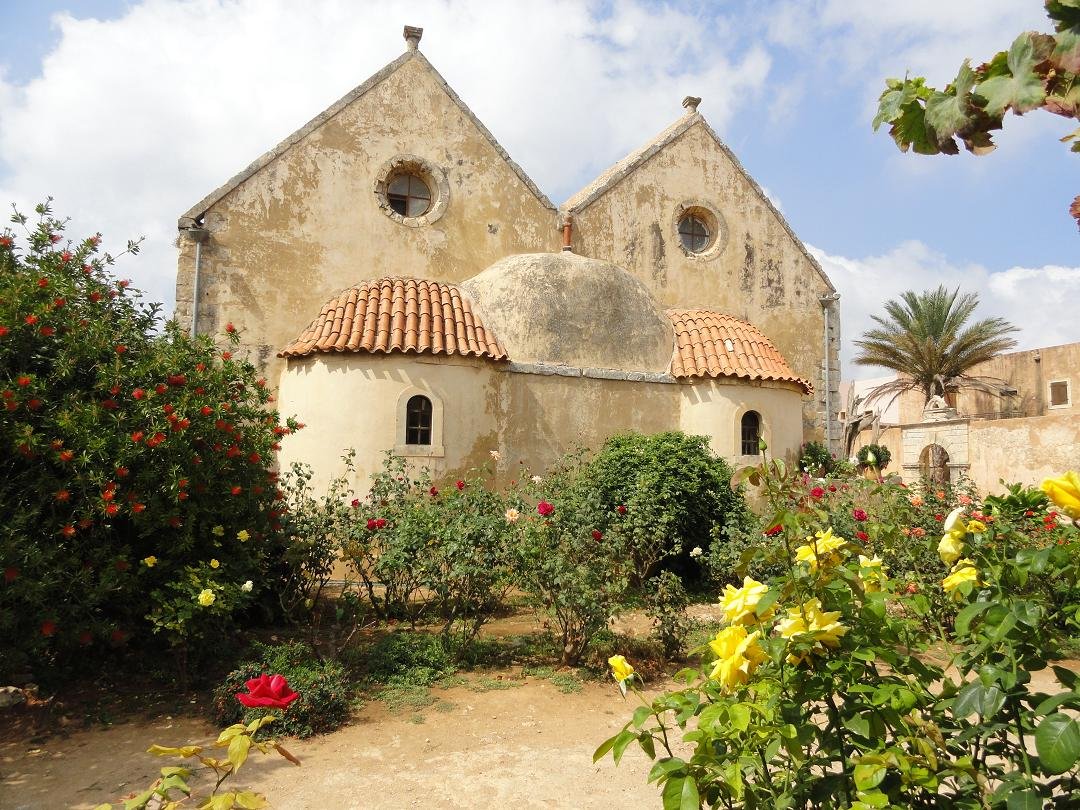
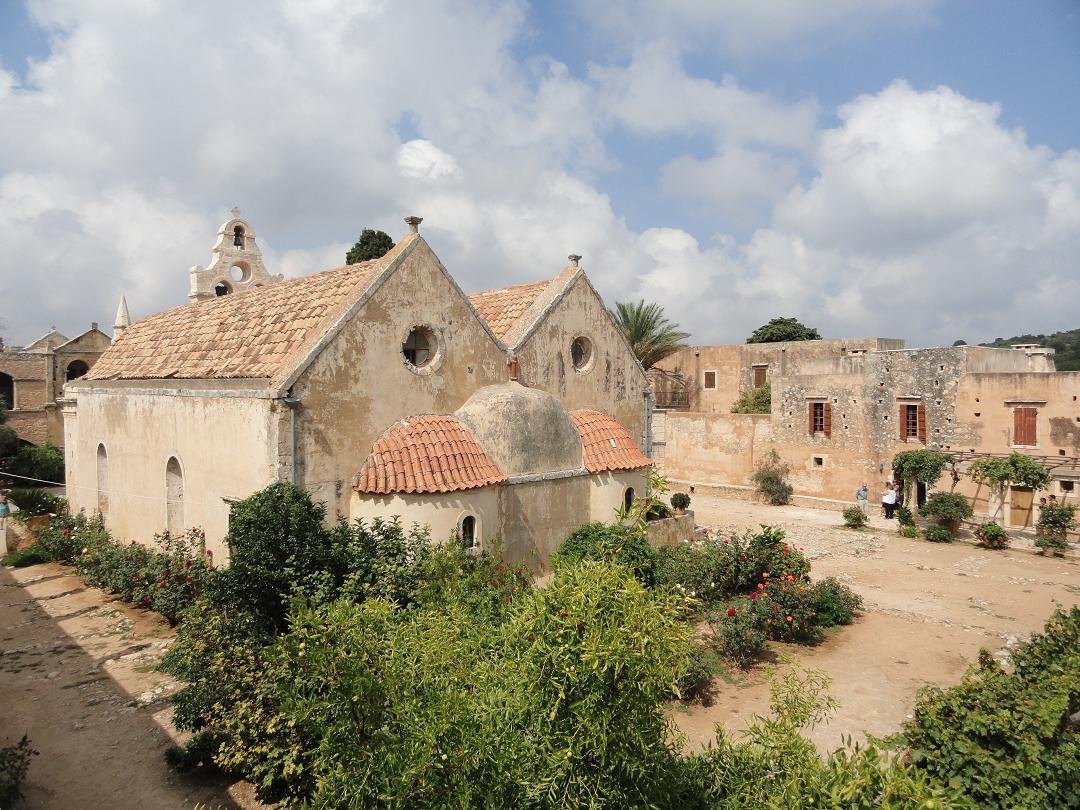

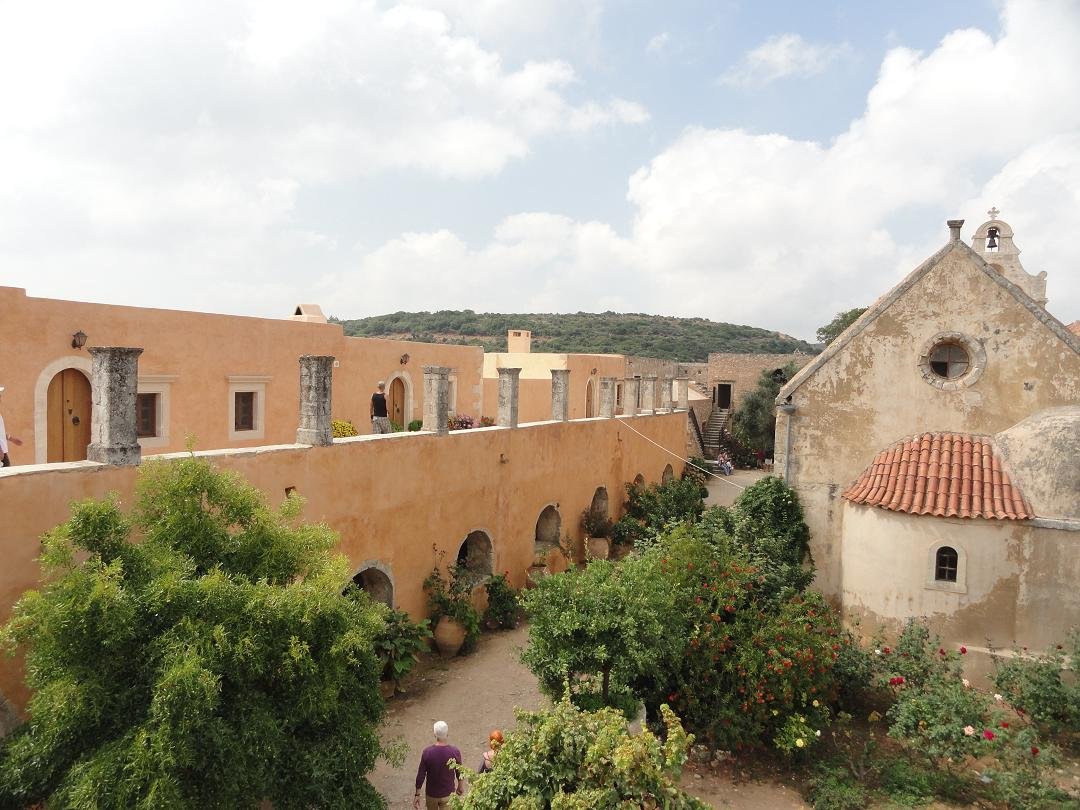
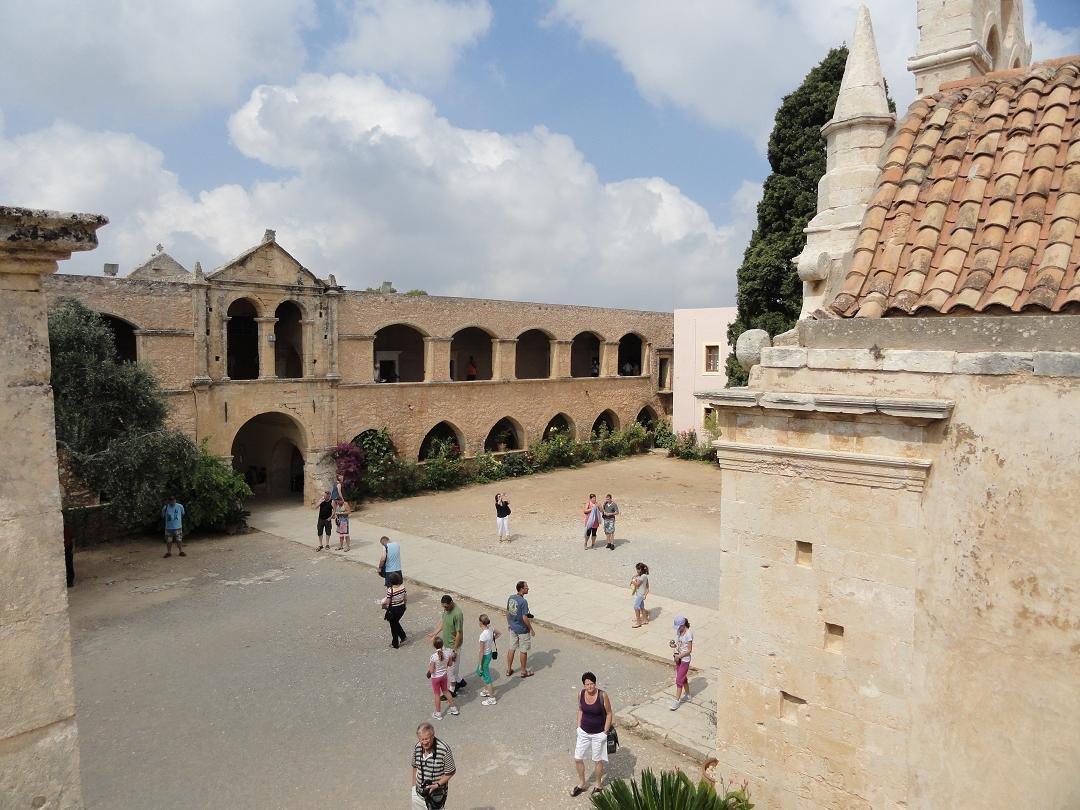
The Arkadi Monastery is situated at an altitude of 500 meters and for the people of Crete it is probably the most important symbol of the freedom struggle against the Turks. The monastery has a bloody history. In 1866, during the Turkish domination, 900 people (including many women and children) had fled to the monastery. The resistance was hopeless because the Turks possessed a superior force of 15,000 men and had brought cannons. After three days of fighting the people from Crete blew up the gunpowder room of the monastery and many people died, both Turks and Greeks. Part of the bones and skulls of the defenders that were killed in this explosion, are being kept in a small building (the former windmill) opposite the monastery in the parking lot.
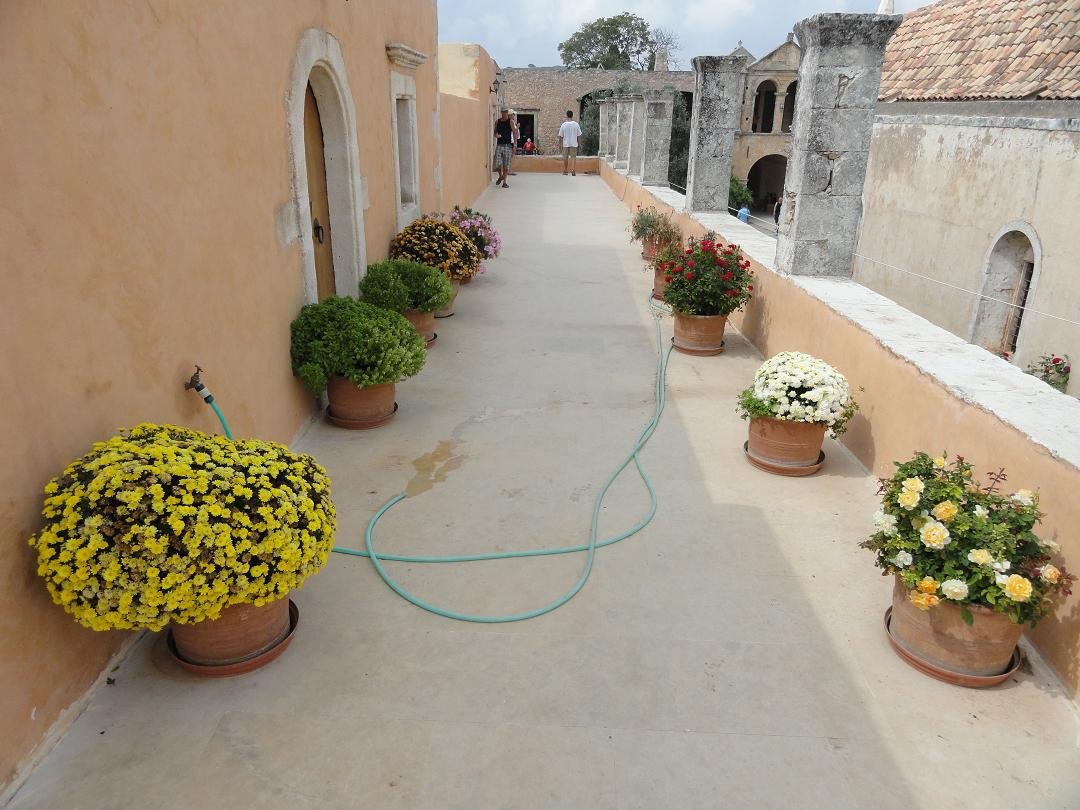
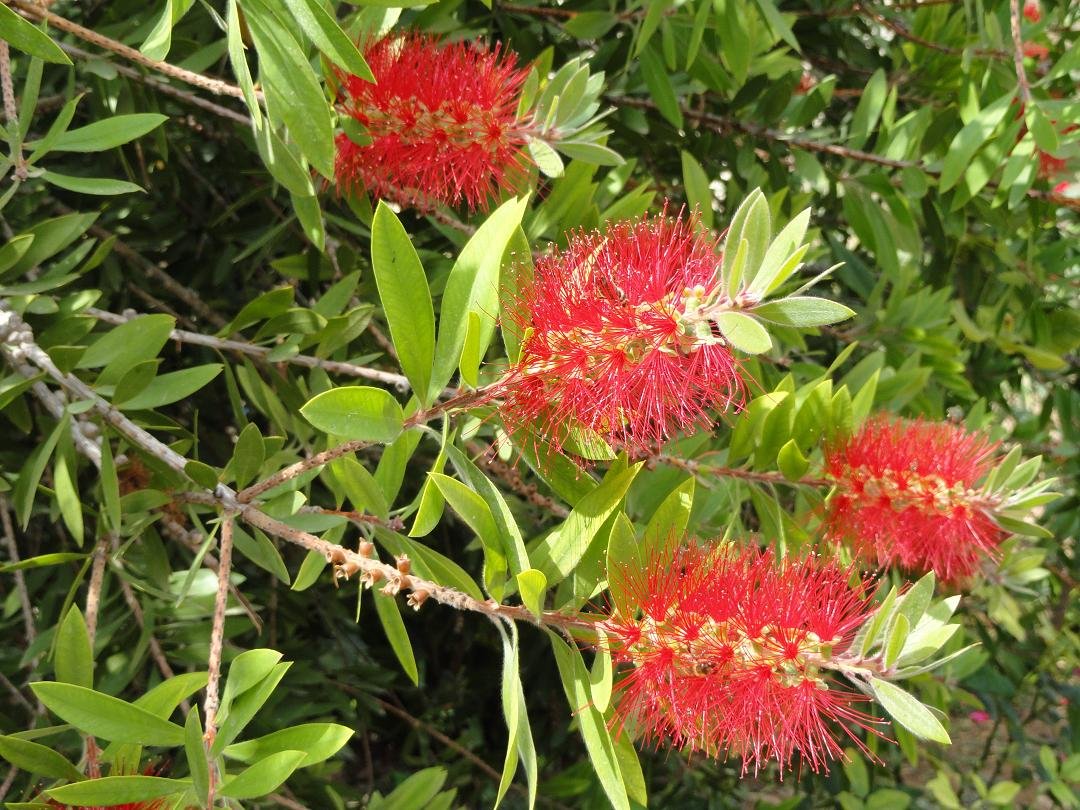
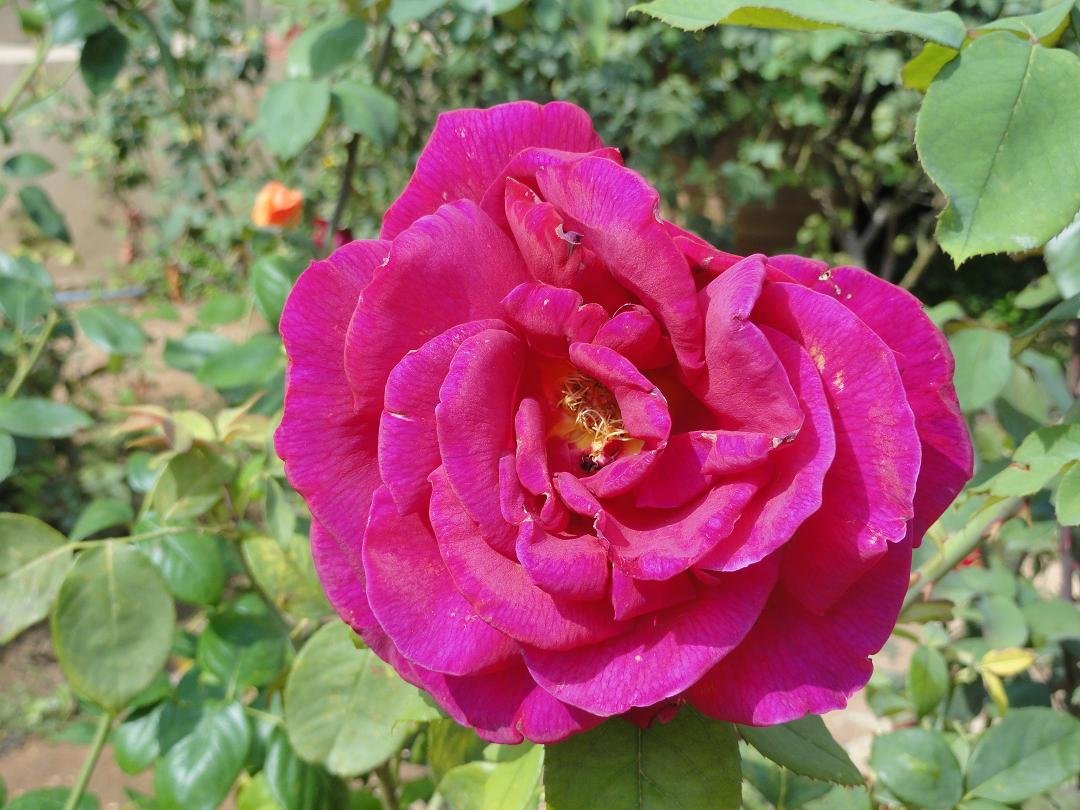
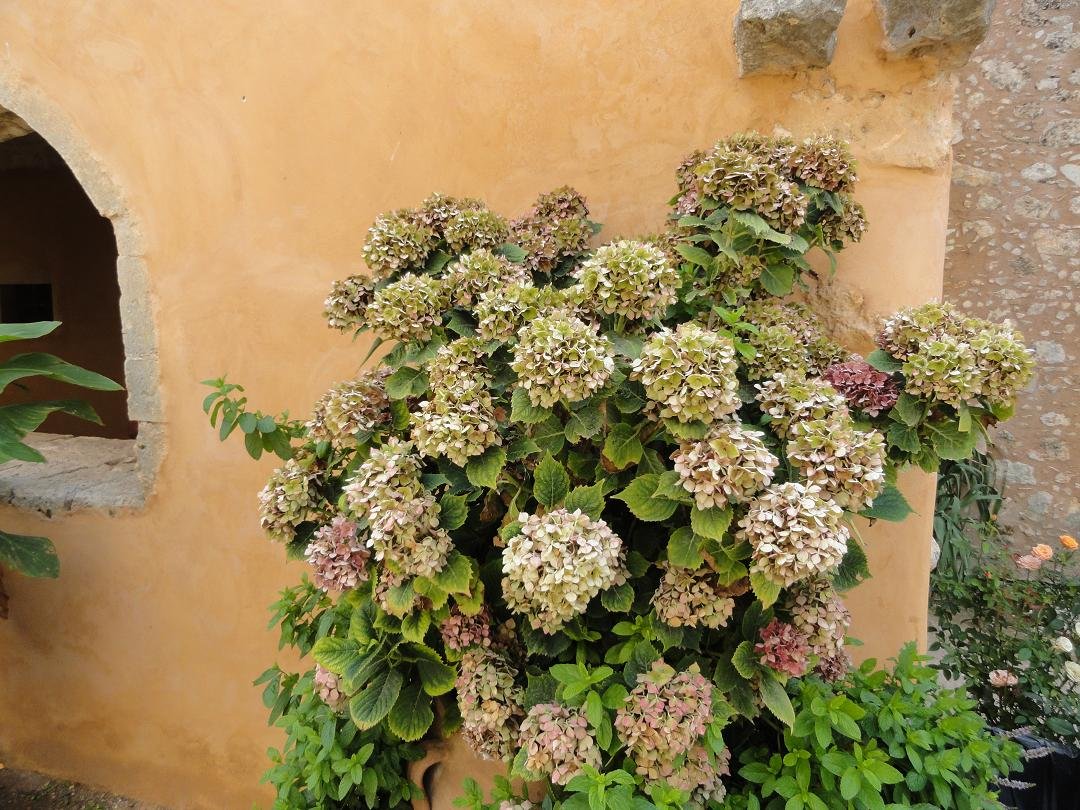
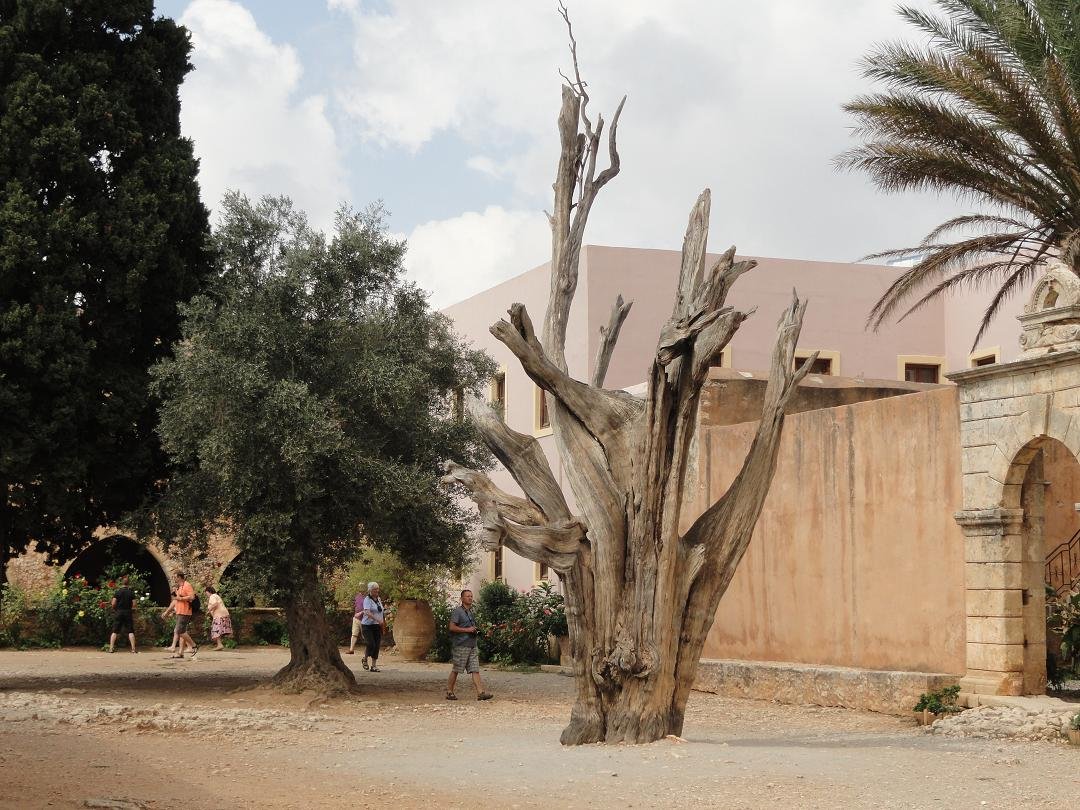
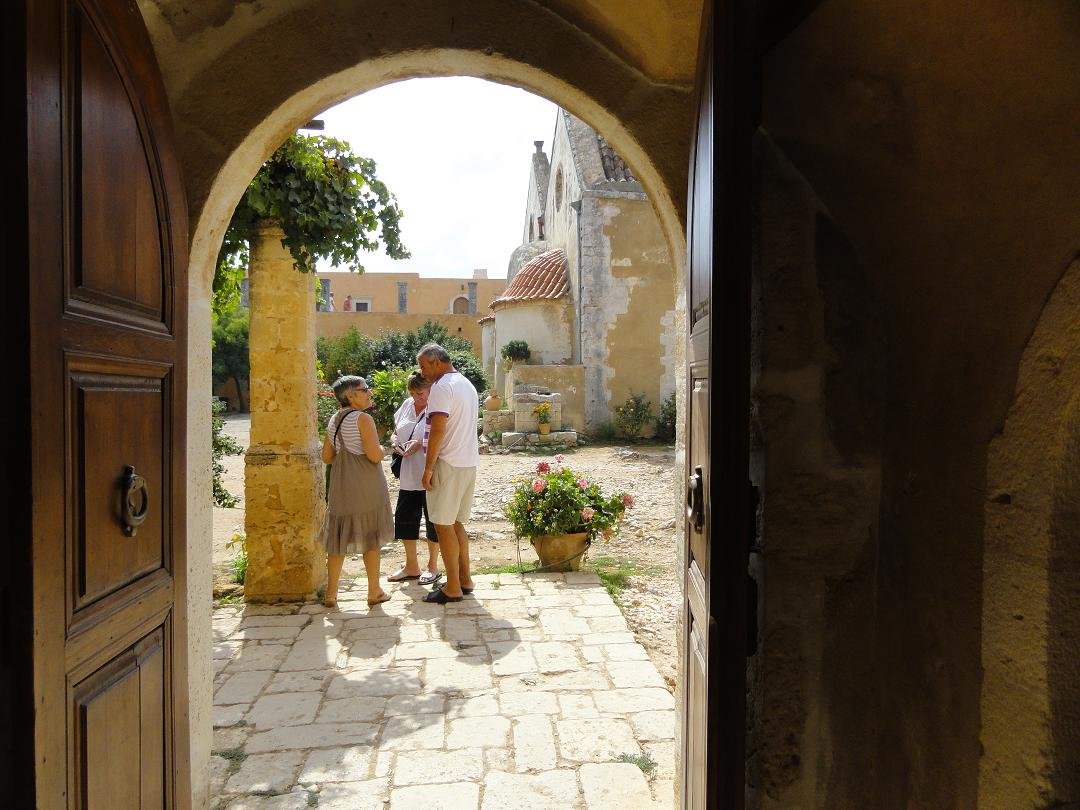
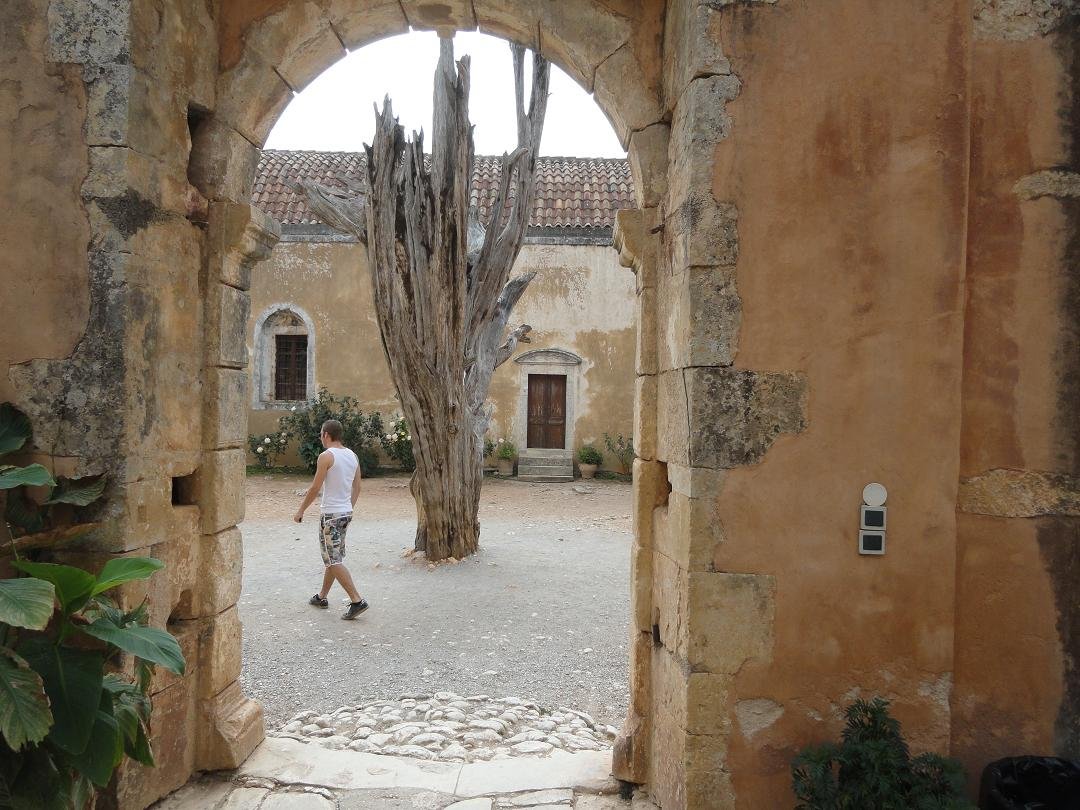
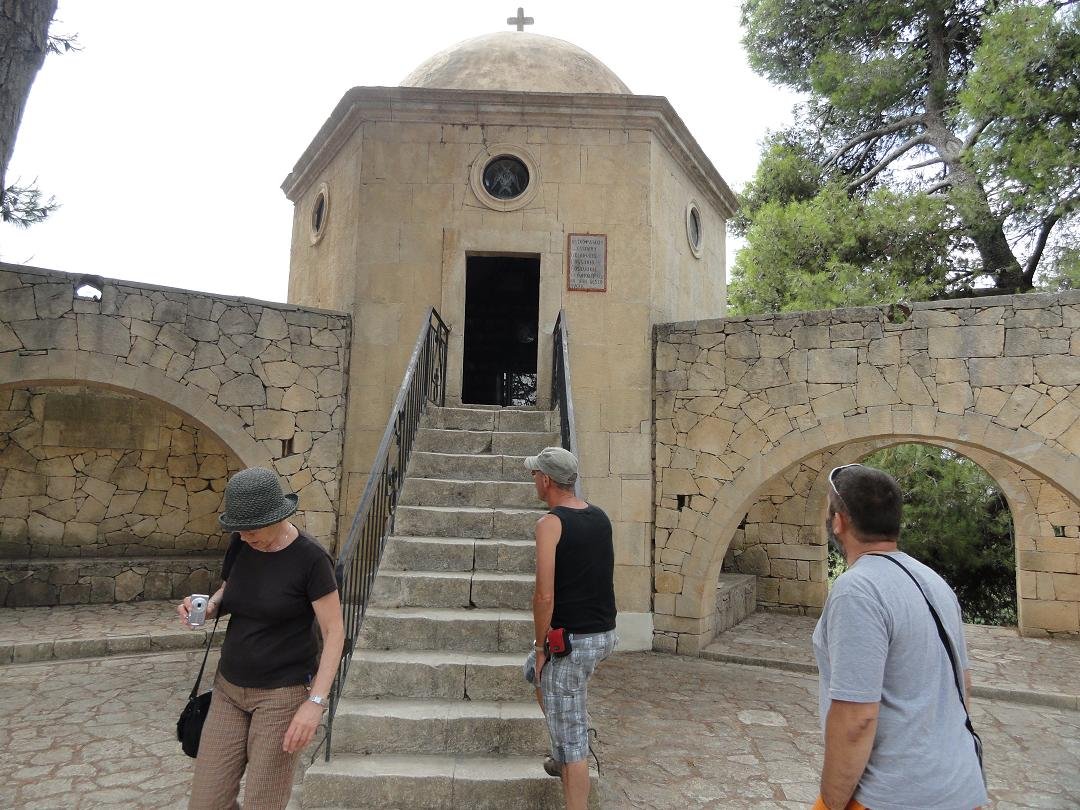
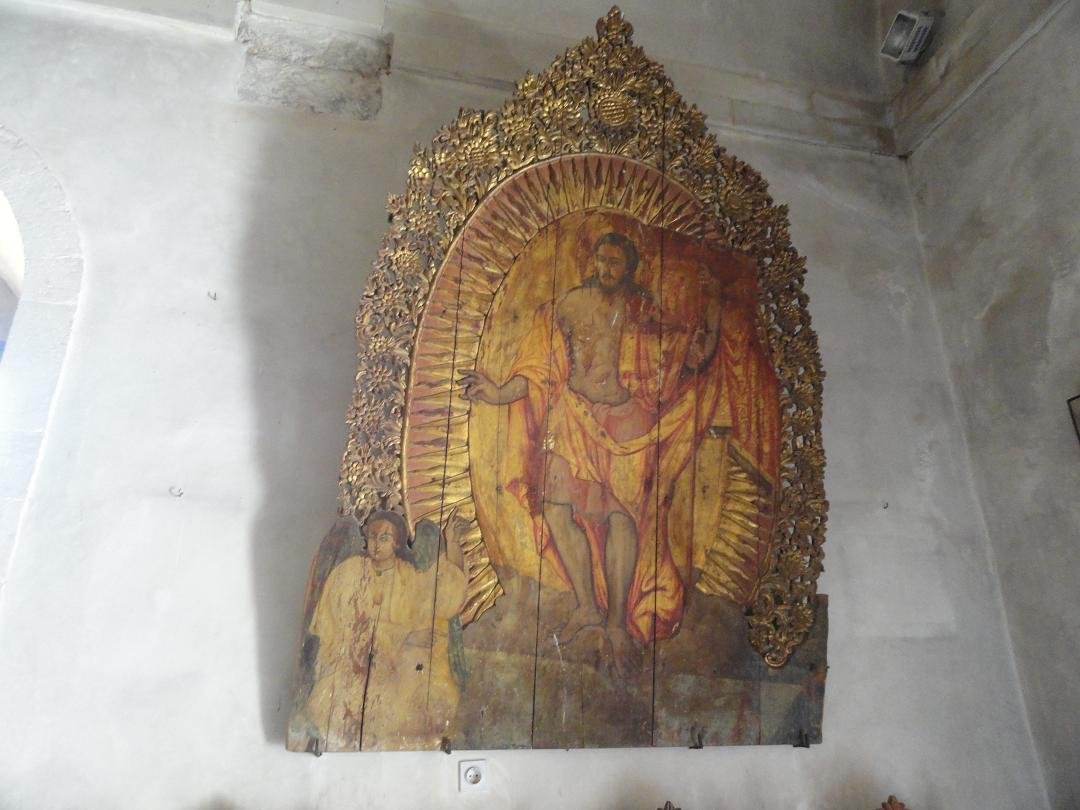
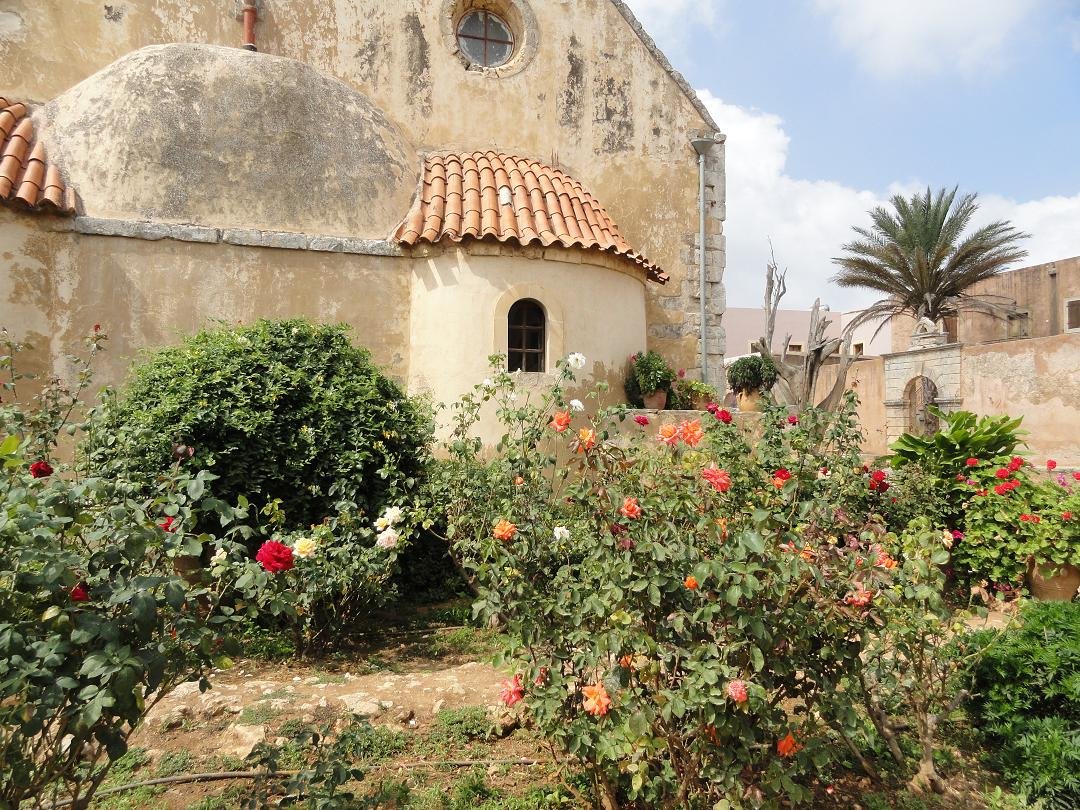
Around the central courtyard where the beautiful church is situated are the cells of the monks. This courtyard is graced by many trees and shrubs with flowers (a lot of roses in different colours). Also in front of the cells of the monks above are pots of flowers (although there are only two monks that live here nowadays). Most special is the large dead cypress in the shape of a cross, that witnessed the explosion of 1866. In the trunk of this tree you can still see old bullets. At the monastery, where the former dining room was, you can now visit an interesting small museum (free entry), with old icons and impressive relics of the Holocaust of 1866 (including a strand of hair and a portrait of the woman who has it belonged to and who died here in 1866). The Arkadi Monastery is open from nine o'clock in the morning and remains open to visitors throughout the day. In June through September the doors close at 8 o'clock in the evening.