


 <
<The village of Vori or Voroi on the island of Crete
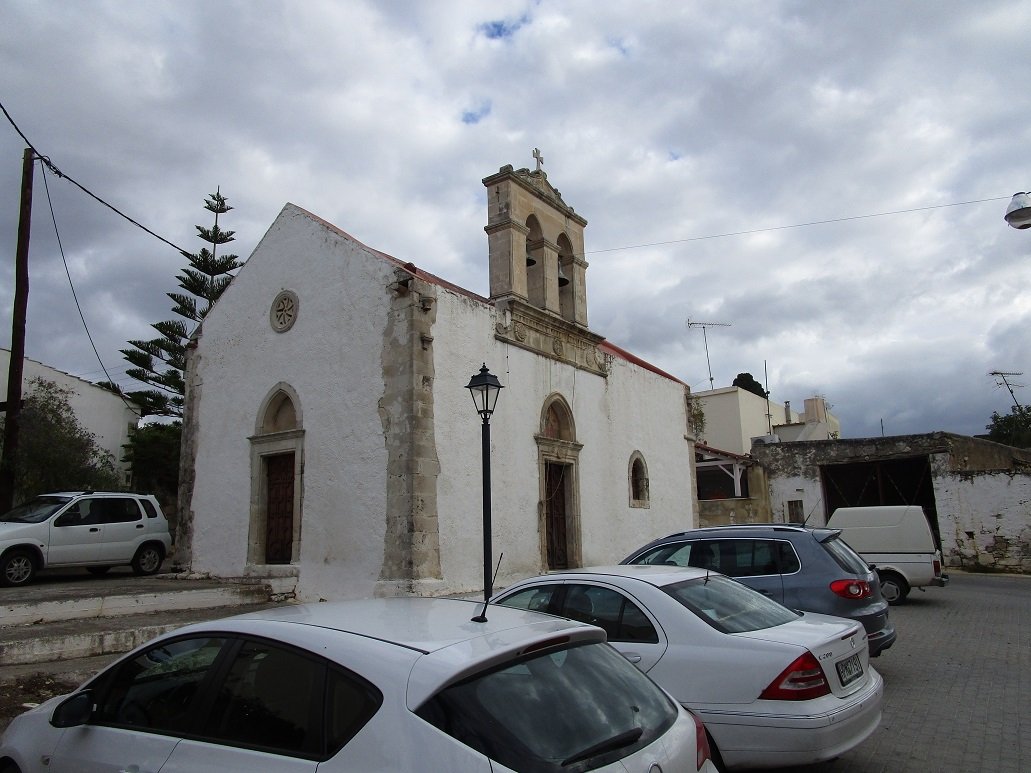


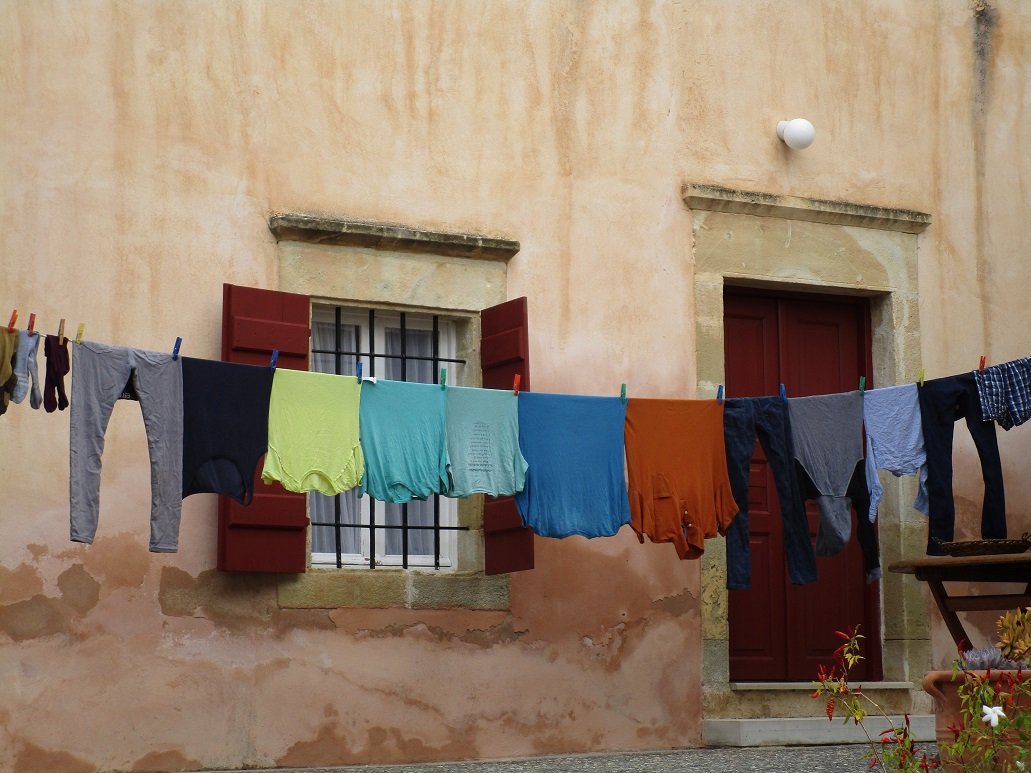


 Vori or Voroi is a fairly large, old and traditional village in the south of the Heraklion district, which is divided into an old and a new part. Since the 17th century it is the capital of the area called Pirgiotissas. Vori lies in the west on the edge of the Messara valley and the village can be reached via an exit on the route from Mires to Timbaki. Because Vori is located near the fertile Messara valley, many of the inhabitants live from of agriculture or livestock, and a lot of olive oil, wine and fruit is produced here.
Around 750 people live in Vori. The old center of the village was declared a protected village by the Ministry of Culture of Greece. There are all kinds of facilities in the village such as small hotels, shops, a bakery, supermarkets, a doctor, a school, a petrol station, taverns and kefanions.
The village itself is the usual mixture of dilapidated houses and houses with big cracks next to the well maintained ones.
Vori or Voroi is a fairly large, old and traditional village in the south of the Heraklion district, which is divided into an old and a new part. Since the 17th century it is the capital of the area called Pirgiotissas. Vori lies in the west on the edge of the Messara valley and the village can be reached via an exit on the route from Mires to Timbaki. Because Vori is located near the fertile Messara valley, many of the inhabitants live from of agriculture or livestock, and a lot of olive oil, wine and fruit is produced here.
Around 750 people live in Vori. The old center of the village was declared a protected village by the Ministry of Culture of Greece. There are all kinds of facilities in the village such as small hotels, shops, a bakery, supermarkets, a doctor, a school, a petrol station, taverns and kefanions.
The village itself is the usual mixture of dilapidated houses and houses with big cracks next to the well maintained ones.


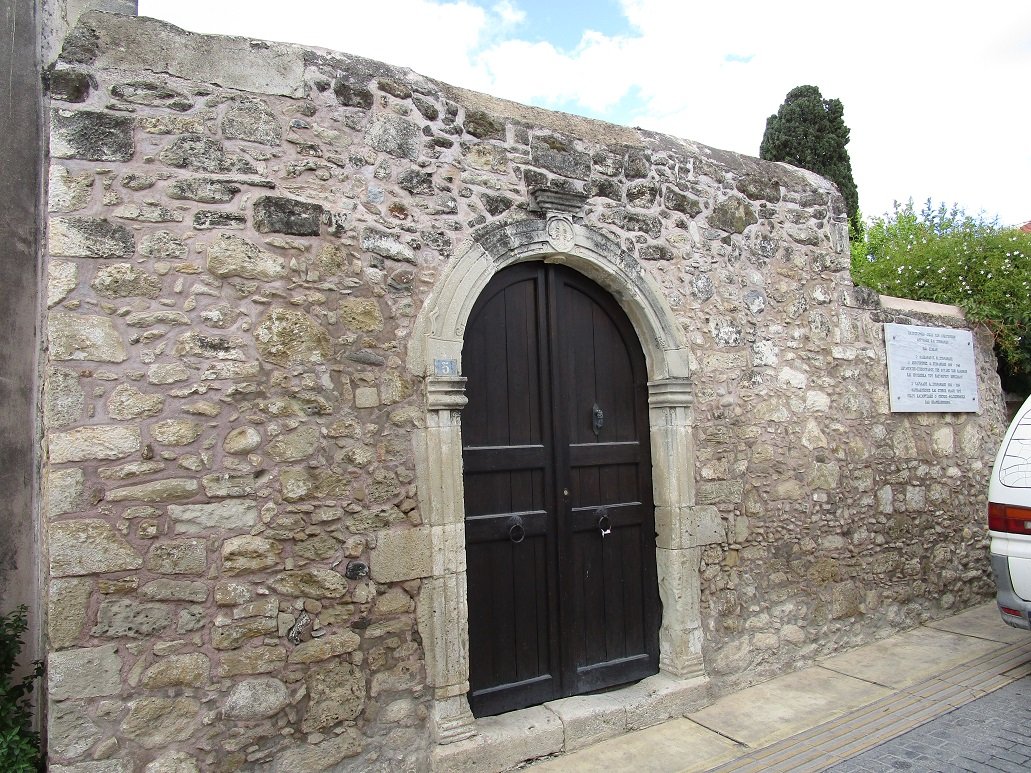
Vori is situated near the excavations of the palace of Phaistos and the palace of Agia Triada and the village has been inhabited since the early Minoan civilization (1800 BC). Pottery shards have been excavated here from all sorts of periods in history. According to tradition, the name of the village derives from the name of the son of the king of Phaistos, who was called Voros. Another explanation for the name is that it derives from the Greek word "voros" meaning "north" because it is located north of Phaistos.
In the village of Vori there are several interesting churches. At the entrance of the old village at the left had side of the road is the Agia Pelagia church, which dates back to the 16th century. It is located on a small square and it is a simple square church with a bell tower. Above the door you can see a mosaic of the Virgin Mary. If you walk further into the village and turn left at the first exit you will pass the large Isodia Theotoko church. This is the largest church in the village and this is where the services of the village take place on Sunday. It is located on a raised square that can be reached via a staircase.

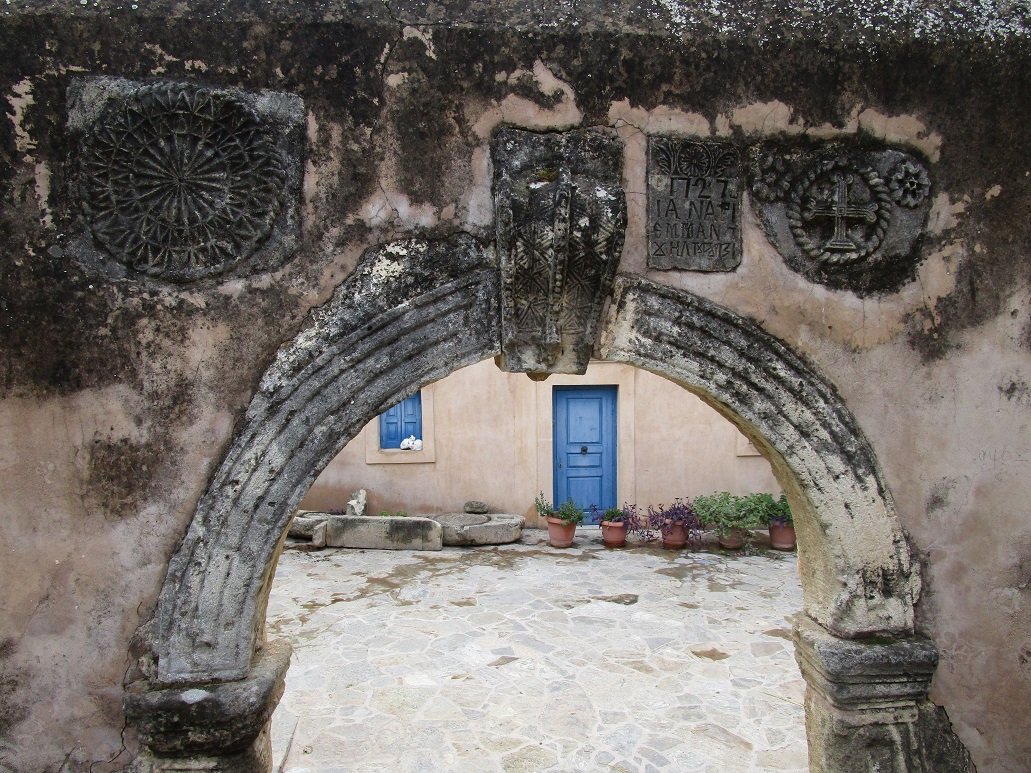


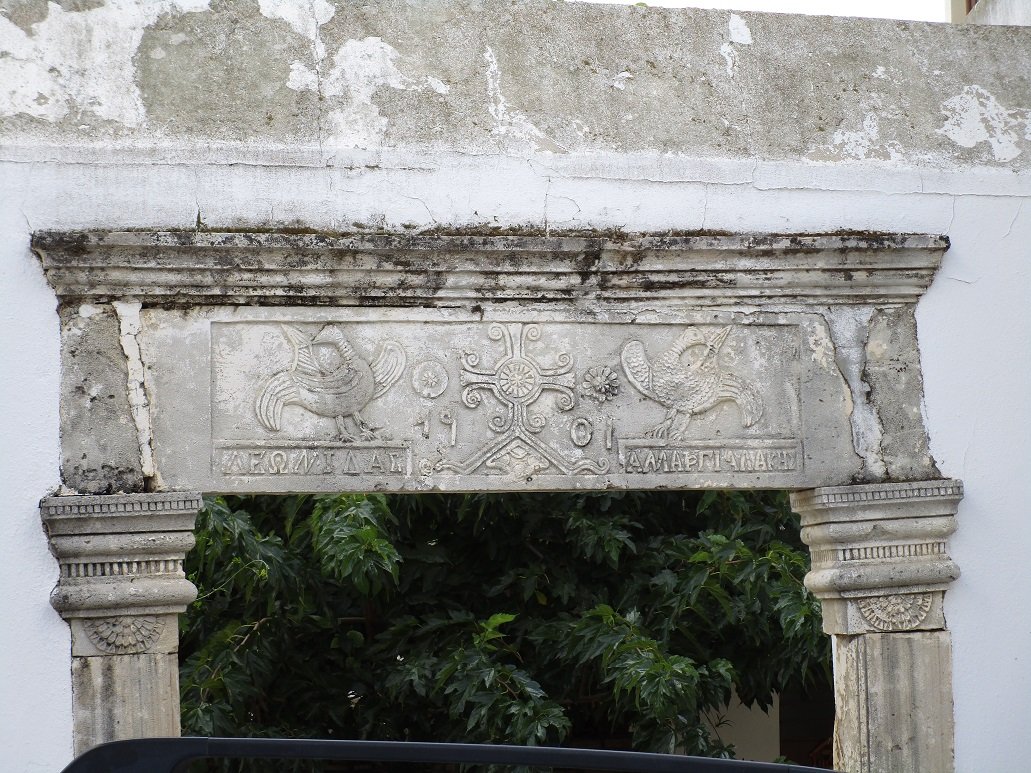

If you do not immediately turn left but just walk a bit straight on you will reach a square. The street on the right hand side leads to the Agios Ioannis church that dates from the 11th / 12th century. Some remnants of frescoes can still be seen in this church. At the cemetery in the north of the old village is the Agios Andreas church. It is a small, old, white painted church with large cracks that are the result of earthquakes. Furthermore, there are remnants of Turkish towers and a Turkish bathhouse in the village, and there are quite a few old gates with carved images and inscriptions to see. Most of them date from around 1700/1800.